How to Choose the Right Dressing for Different Wounds?

Time:2026-05-05 Author:Aria
0%

When it comes to wound care, understanding how to choose the right dressing for different wounds is crucial. A recent report by the World Health Organization indicates that proper wound management can reduce infection rates by 50%. Yet, many healthcare professionals still struggle with this vital aspect of patient care. Selecting the appropriate dressing is not just a matter of personal preference; it significantly impacts healing outcomes.

Different types of wounds, such as surgical, traumatic, or chronic, require specific dressings. According to the Journal of Wound Care, using the wrong dressing can prolong healing time and increase the risk of complications. For instance, hydrocolloid dressings are effective for superficial wounds, while alginate dressings are better suited for those that are heavily exuding. However, the challenge lies in matching each wound type with its ideal dressing.

Professionals often overlook factors such as wound depth, moisture level, and patient comfort when making decisions. This oversight can hinder effective treatment and delay recovery. Ultimately, knowing how to choose the right dressing for different wounds involves a combination of clinical experience, expert knowledge, and the latest research findings. Balancing these elements can enhance wound care practices significantly.
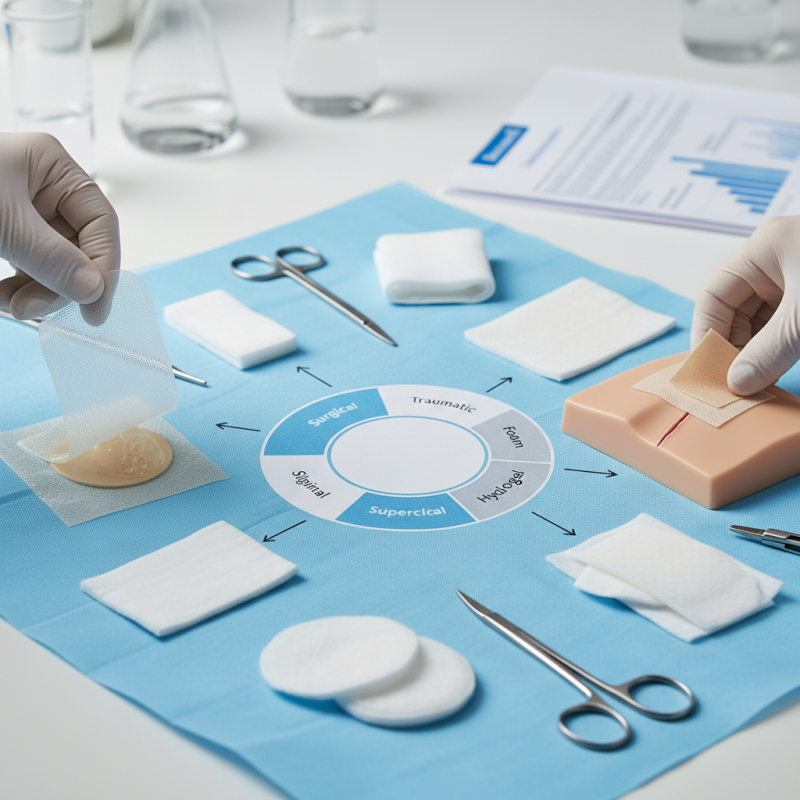
How to Choose the Right Dressing for Different Wounds?

Understanding Different Types of Wounds and Their Healing Needs

When it comes to wound care, understanding the type of wound is vital. There are several categories: acute, chronic, and surgical wounds. Acute wounds, like cuts and scrapes, typically heal faster. Conversely, chronic wounds, such as pressure ulcers or diabetic foot ulcers, demand more intricate care. The healing process here can be prolonged and may involve specialized dressings.

The needs of each wound vary considerably. For example, a clean cut may only require a simple adhesive bandage. Meanwhile, a deep or infected wound may need hydrocolloid or alginate dressings. These types promote a moist healing environment. In cases of chronic wounds, one might consider foam dressings. They provide cushioning and absorb excess moisture. Each dressing serves a purpose and reflects the unique needs of the wound.

However, not all choices are straightforward. Selecting an inappropriate dressing can delay healing or even worsen the condition. It's important to stay educated and consult healthcare professionals when uncertain. Their expertise can guide you toward the right choice. Healing can be a complex journey, and the right dressing is crucial for improved outcomes.

How to Choose the Right Dressing for Different Wounds?

Wound Type Characteristics Recommended Dressing Additional Care
Acute Wound Clean cut, minimal exudate, healing under optimal conditions. Transparent film or hydrocolloid dressing Keep dry and clean, change dressing as recommended.
Chronic Wound Non-healing, often infected, may have necrotic tissue. Foam dressing or alginate dressing Debridement may be necessary, maintain moist environment.
Burn Wound Red, blistered skin; different degrees of burn severity. Non-adherent dressings or silver sulfadiazine Keep clean, monitor for infection, and manage pain.
Surgical Wound Closed with stitches or staples, good hygiene is critical. Sterile adhesive dressing or gauze Watch for signs of infection, follow post-operative instructions.
Diabetic Ulcer Slow healing, often located on feet, may have neuropathy. Hydrocolloid or absorbent dressings Control blood sugar levels, offload pressure from the area.

Identifying the Best Dressings for Acute and Chronic Wounds

When it comes to selecting dressings for wounds, the context matters significantly. Acute wounds, like surgical or traumatic injuries, typically require dressings that promote healing and prevent infection. These dressings should provide a barrier against bacteria. They should also retain moisture while allowing oxygen to reach the wound. Gauze and hydrocolloid dressings are common choices here. However, selecting the right one can still be tricky.

Chronic wounds, such as diabetic ulcers or pressure sores, often need special care. The healing process is different. Dressings for these wounds must facilitate autolytic debridement, helping to remove dead tissue. They should also manage exudate effectively. Foam, alginate, or film dressings can be appropriate. Yet, it’s important not to assume one size fits all. Each wound's condition may vary, which makes ongoing assessment essential. This process demands time and thoughtful observation.

Finding dressings can be overwhelming. Many types are available, and understanding their properties is crucial. Each dressing type comes with benefits and drawbacks. An untrained eye might miss critical factors like absorbency or adhesion. Continuous learning and adaptation in care strategies are vital for effective wound management. It’s a journey that requires patience and a willingness to reflect on what seemingly works.

Evaluating Moisture Retention and Breathability in Dressings

Selecting the appropriate dressing for wounds is crucial. Moisture retention and breathability are key factors. Wounds need a balanced environment for optimal healing. Too much moisture can cause maceration, while too little can lead to dryness.

Some dressings are designed to maintain moisture. These can be beneficial for deeper or more complex wounds. It's important to evaluate how well a dressing allows air circulation. Breathable materials prevent excessive sweating and irritation. This is essential for comfort and healing.

Every wound is unique. Some dressings may not provide the right environment for all types of injuries. It's a continuous process of trial and error. Each choice can teach valuable lessons about what works best. Evaluating the effectiveness of dressings over time can lead to more informed decisions.

Considering Infection Control Features in Wound Dressings

When choosing a dressing for wounds, infection control is a critical factor. Studies indicate that up to 30% of chronic wounds become infected, leading to delayed healing and increased healthcare costs. Selecting the right dressing can play a significant role in preventing this outcome. For instance, dressings that maintain a moist wound environment can significantly lower infection rates compared to dry dressings.

Materials with antimicrobial properties are gaining recognition. According to recent reports, these dressings can decrease microbial colonization. In a recent study, antimicrobial dressings reduced infection rates by nearly 50% in patients with diabetic foot ulcers. However, there is also the challenge of balancing moisture and breathability. Overly occlusive dressings can trap moisture and promote bacterial growth.

It’s important to evaluate the wound type and patient needs. Not all wounds require the same level of infection control. Some may benefit from hydrocolloid or alginate dressings, while others might need advanced films. This complexity necessitates continuous assessment and adaptation of treatment strategies.

Assessing Patient Comfort and Ease of Dressing Application

When selecting the right dressing for wounds, patient comfort must be prioritized. According to a study by the Journal of Wound Care, almost 65% of patients reported discomfort due to inappropriate dressing materials. Choosing materials that minimize friction can greatly enhance the experience. For example, soft silicone dressings have been shown to reduce pain during dressing changes.

Ease of application also plays a crucial role. A poorly designed dressing can complicate the process, leading to frustration for both healthcare providers and patients. The same study indicated that 48% of clinicians experienced difficulties with conventional adhesive dressings. Innovative options with user-friendly designs can improve application times and satisfaction.

In clinical settings, proper evaluation is vital. Clinicians should assess each wound type carefully. Factors such as exudate amount and surrounding skin condition can affect dressing choice. Regular training on new dressing technologies keeps healthcare providers informed. This is essential in delivering optimal care. Continuous feedback from patients can lead to further improvements in dressing comfort and usability.

Wound Dressing Selection and Patient Comfort

FAQS

: What are key factors to consider when selecting a dressing for wounds?

: Moisture retention and breathability are crucial for optimal healing.

Why is moisture important in wound care?

It helps maintain a balanced environment. Too much moisture can lead to maceration.

What can happen if a wound dressing is too dry?

It may cause dryness, which hinders the healing process.

How can dressings help with infection control?

Some dressings maintain moisture levels, reducing the risk of infections significantly.

What are antimicrobial dressings?

They contain materials that reduce microbial growth, helping to lower infection rates.

Are all wounds the same in terms of dressing needs?

No, every wound is unique and requires different types of dressings.

What should be monitored when using wound dressings?

Continuous evaluation is key. Learning from each choice can improve future decisions.

Can overly occlusive dressings be harmful?

Yes, they might trap moisture and encourage bacterial growth.

How often should dressing choices be reassessed?

Regular assessments are necessary to adapt treatment strategies effectively.

What should be balanced when choosing a dressing?

There should be a careful balance between moisture retention and breathability.

Conclusion

In the process of how to choose the right dressing for different wounds, it is essential to understand the various types of wounds and their specific healing requirements. Acute wounds, such as cuts or abrasions, may benefit from dressings that promote faster healing, while chronic wounds, like pressure ulcers, often require specialized dressings that can manage moisture and prevent infection.

Evaluating the moisture retention and breathability of dressings is crucial, as these factors significantly impact the healing environment. Additionally, considering infection control features is vital to reduce the risk of complications. Lastly, patient comfort and the ease of dressing application should not be overlooked, as these elements contribute to better compliance and overall healing outcomes. By systematically addressing these considerations, healthcare providers can effectively choose the appropriate dressing for each wound type.

Aria

Aria

Aria is a dedicated marketing professional with a deep passion for innovative strategies and a keen understanding of our company's product offerings. With a wealth of experience in the industry, Aria excels at crafting engaging content that highlights the unique features and benefits of our......