Innovative designs for clinical excellence and patient comfort.
Understanding the vital role of foam dressings in modern regenerative medicine.
The global Foam Wound Dressings market is currently experiencing a transformative phase, driven by an aging population and the increasing prevalence of chronic diseases such as diabetes and cardiovascular disorders. As of 2024, the demand for advanced wound care solutions has shifted from simple protection to active healing management. Foam dressings, particularly those integrated with silicone technology and antimicrobial agents, have become the gold standard for treating moderate to heavily exuded wounds.
In regions like North America and Europe, the focus is on reducing hospital readmission rates by implementing effective home-care protocols. Meanwhile, emerging markets in Asia-Pacific and Latin America are seeing a massive surge in procurement as healthcare infrastructures modernize. The industry is no longer just about manufacturing a "sponge"; it is about moisture vapor transmission rates (MVTR), bacterial sequestration, and atraumatic removal to preserve fragile periwound skin.
AI-driven manufacturing and material science evolution.
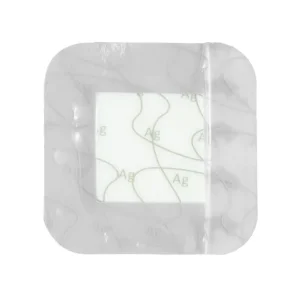
The rise of antibiotic resistance has pushed the industry toward Silver (Ag) and PHMB impregnated foam dressings. These materials provide a sustained release of ions to combat Biofilms without systemic toxicity.
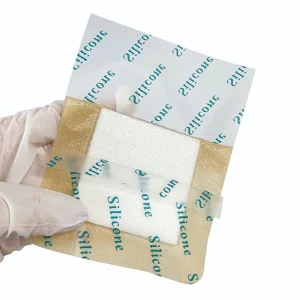
Modern foams now utilize multi-layer structures (up to 5 layers) that not only absorb exudate but lock it away to prevent maceration, even under compression therapy.
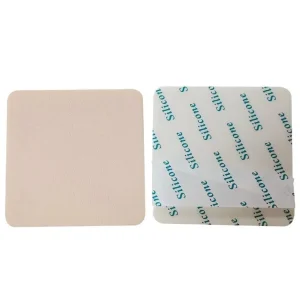
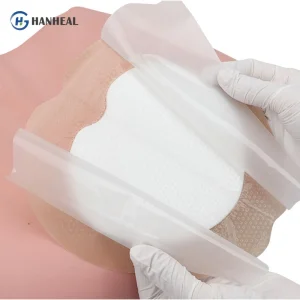
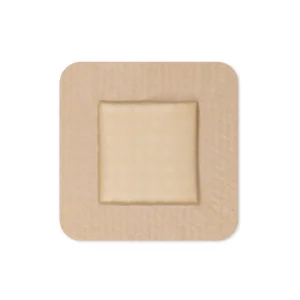
Transitioning from traditional adhesives to soft silicone ensures that dressings can be lifted and adjusted without damaging new epithelial cells, a critical factor for chronic ulcer healing.
Factories are now utilizing AI vision systems to ensure every pore in the polyurethane foam is uniform, ensuring consistent absorption rates across millions of units.
There is a growing demand for biodegradable polyurethane and eco-friendly packaging as global healthcare systems aim for carbon neutrality by 2050.
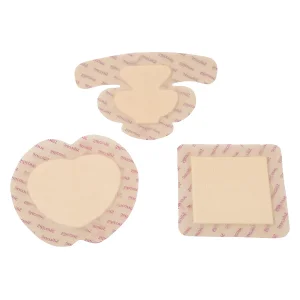
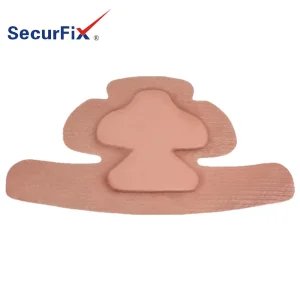
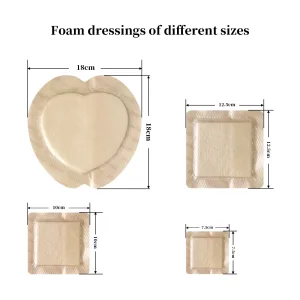
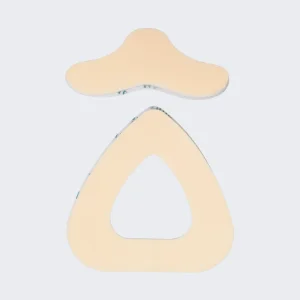
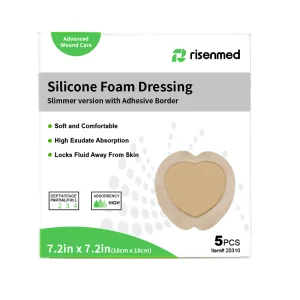
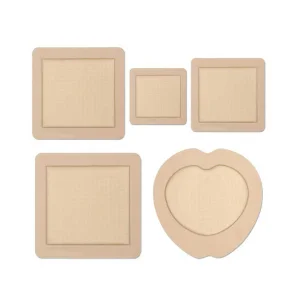
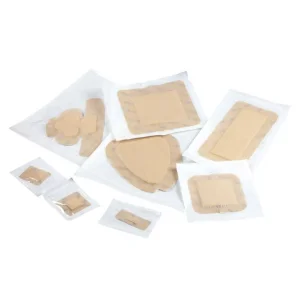
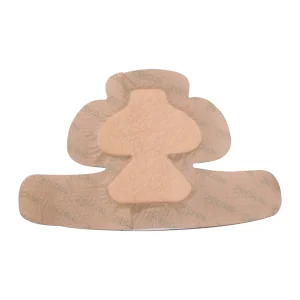
Hospital groups are seeking "anatomically shaped" dressings, such as heart-shaped foams for sacral areas or specialized heel cups, to reduce nurse application time.
Meeting the diverse needs of hospitals, clinics, and home care.
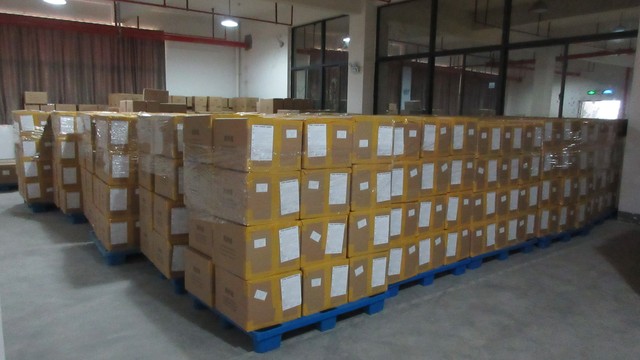
For international medical distributors and procurement officers, the priority has shifted toward supply chain resilience. The need for a reliable partner who can provide high-volume manufacturing without compromising on CE, ISO13485, and FDA certifications is paramount. Cost-effectiveness remains a driver, but "Value-Based Healthcare" means buyers are looking for products that reduce the "Total Cost of Care" by speeding up healing times and reducing dressing change frequency.
Combining technological innovation with large-scale manufacturing excellence.
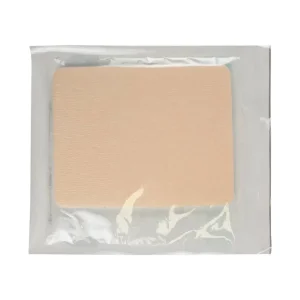
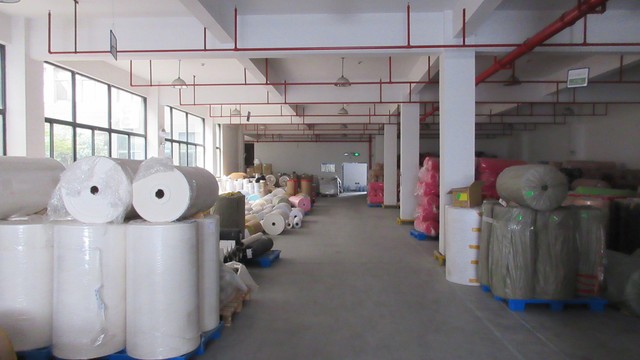
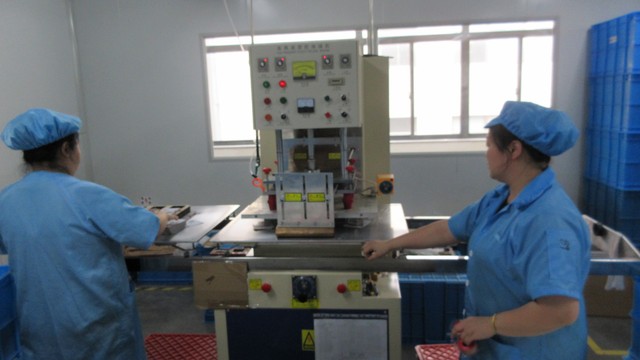
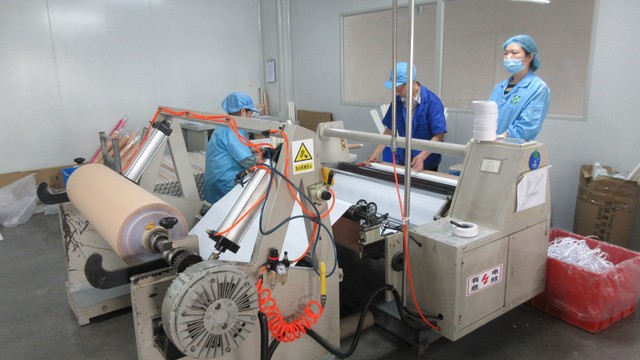
Hangzhou Renovera Medical Co., Ltd. stands as a beacon of quality in the Chinese medical consumables industry. Our facility is not just a factory; it is an integrated ecosystem of R&D, advanced manufacturing, and global logistics. We specialize in the development of high-performance foam dressings that meet the rigorous standards of the international market.
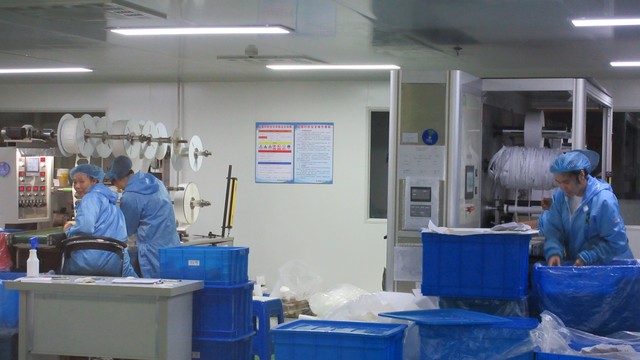
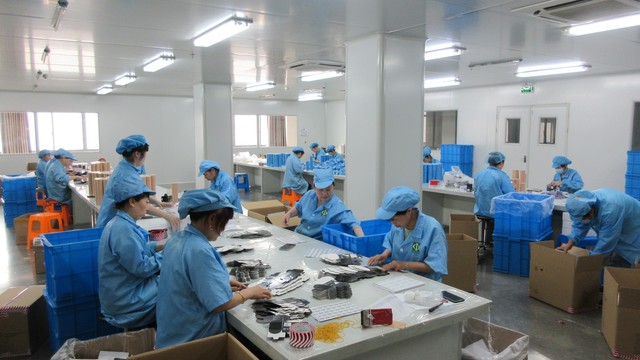
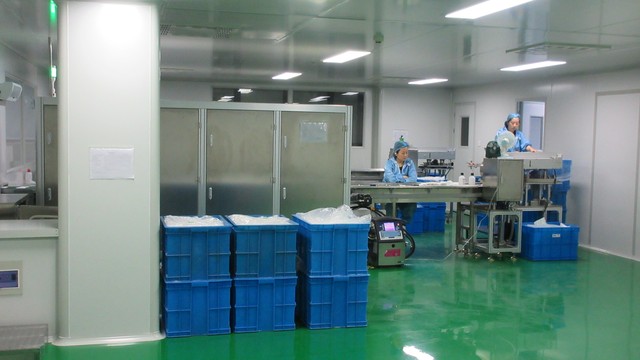
Our commitment to E-E-A-T principles is reflected in our 100,000-level cleanroom production and our team of clinical experts who ensure every product design is grounded in medical science. We offer:
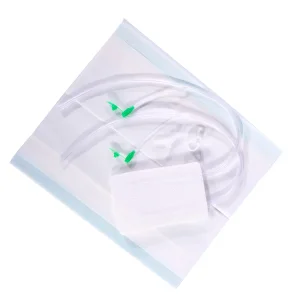
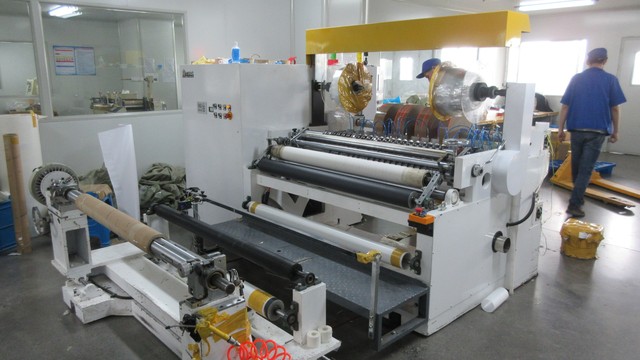
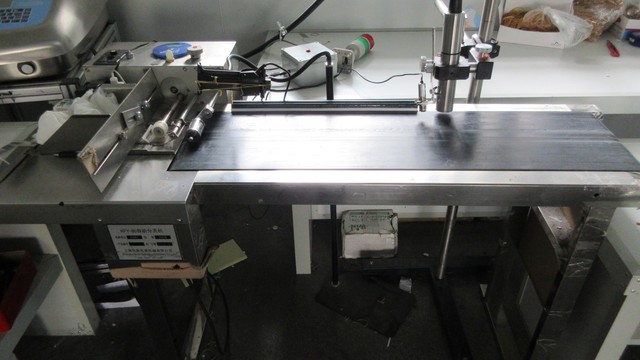
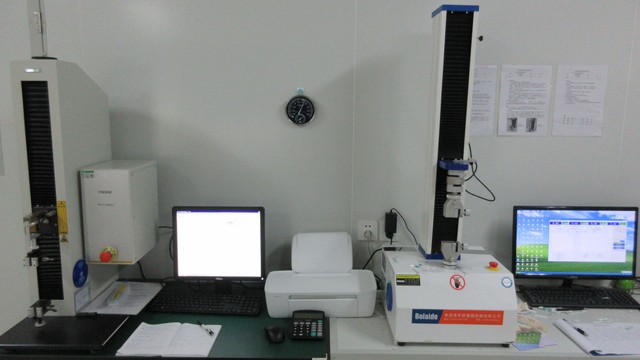
Renovera integrates the latest automated production lines, reducing human error and increasing output capacity to meet urgent large-scale procurement demands. Our R&D team continuously works on the next generation of Negative Pressure Wound Therapy (NPWT) foams and Silver-Ion technology.
The core philosophy behind Renovera's foam dressings is Moist Wound Healing. Research has shown that wounds heal 3-5 times faster in a moist environment than a dry one. Our foam dressings are engineered to:
Global standards, customized solutions, and reliable supply.
 Renovera Medical