In emergencies, effective bleeding management is crucial. Dr. Emily Carter, a renowned expert in emergency medicine, emphasizes, "Immediate action can save lives when dealing with severe bleeding." Understanding how to manage bleeding effectively in emergencies can make a significant difference.
Many people panic at the sight of blood. This response can hinder proper management. It’s essential to stay calm and focused. Apply direct pressure on the wound with a clean cloth. If blood soaks through, add more cloth; do not remove the original. This action helps create a clot, reducing blood loss.
In chaotic situations, challenges arise. Limited resources or uncooperative individuals can complicate care. Training and practice are key. Familiarize yourself with the steps to take. Mistakes can happen, but reflecting on past experiences can improve future responses. Remember, knowing how to manage bleeding effectively in emergencies is a vital skill that everyone should acquire.
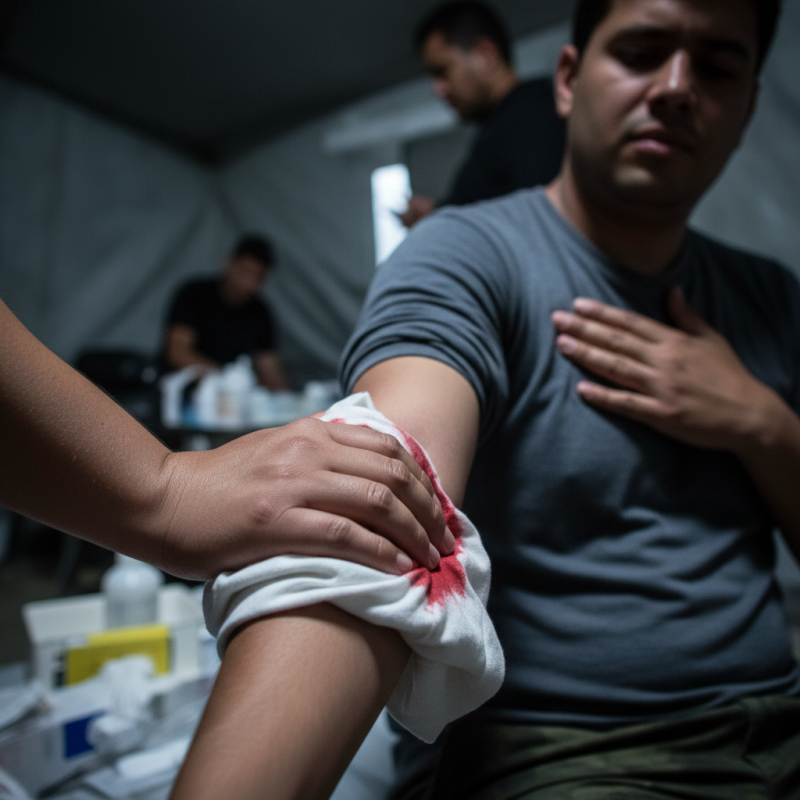
Identifying Different Types of Bleeding in Emergency Situations
In emergency situations, recognizing the type of bleeding is crucial. There are three main categories:
arterial, venous, and capillary bleeding.
Arterial bleeding is often characterized by bright red blood that shoots out with each heartbeat.
It's the most severe and requires immediate attention. A person may feel dizzy or faint due to rapid blood loss.
Venous bleeding, in contrast, flows steadily and has a darker color.
The blood comes from veins, which are under lower pressure. This type might not seem as dangerous but can still lead to serious complications if not managed properly.
It’s essential to apply direct pressure to the wound and elevate the injury above the heart level when possible.
Capillary bleeding is less alarming and usually involves minor cuts or abrasions.
It’s the slow oozing of blood, often clotted. While this type may stop on its own, it can still become problematic in dirty or contaminated wounds.
Always clean the area thoroughly and apply a clean bandage. Understanding these types of bleeding empowers individuals to react quickly and effectively in emergencies,
but mistakes can happen even in the best-laid plans. Regular training can help minimize these missteps.
Immediate Response Steps to Control Bleeding Effectively
In an emergency, effective bleeding control can save lives. When faced with bleeding, the first step is to assess the situation calmly. Make sure the scene is safe before approaching the injured person. If it is safe, you can proceed to help. Always wear gloves if available. This prevents infection and protects both you and the casualty.
Apply direct pressure to the wound using a clean cloth or your hand. Maintain that pressure for several minutes. If blood soaks through, do not remove the original cloth. Instead, add more cloth on top and continue pressing down. Elevating the injured area can also help reduce blood flow, as long as it does not cause further injury.
If bleeding does not stop, it might be wise to consider using a tourniquet, especially for severe wounds on limbs. Improvised methods, such as a belt or a piece of fabric, can serve that purpose. However, these should be a last resort. It’s crucial to monitor the injured person’s condition while waiting for medical help. Remain attentive, and be ready to provide accurate information to emergency responders.
Utilizing Pressure Techniques to Manage Bleeding
In emergency situations, managing bleeding effectively is crucial. Pressure techniques stand out as the most immediate response to control blood loss. Applying direct pressure on a wound can significantly reduce overall bleeding. According to the American Red Cross, over 30% of trauma victims experience severe bleeding, which underscores the importance of proper techniques.
Using your hands or a clean cloth, apply firm pressure directly on the wound. This action can stop the flow of blood and buy time for professional help. If bleeding persists, do not remove the original dressing; instead, add more layers. Research shows that maintaining pressure for at least 5-10 minutes without interruption can be effective. This method, while simple, needs practice to execute flawlessly in high-stress situations.
However, individuals often hesitate to apply enough pressure. Many fear causing more pain or worsening the injury. It’s vital to overcome this hesitation. Practicing on training dummies or through simulations can boost confidence. The effectiveness of pressure techniques lies not just in understanding them, but also in applying them decisively when it matters.
When to Apply Tourniquets: Guidelines and Best Practices
Tourniquets can be lifesavers in emergencies. They are crucial for controlling severe bleeding. According to a study by the Journal of Trauma, effective use of a tourniquet can reduce mortality rates by 50% in cases of limb hemorrhage. Proper application is essential to avoid complications.
When to apply a tourniquet? It’s recommended for life-threatening bleeding when direct pressure fails. Place the tourniquet 2-3 inches above the wound, not over joints. Ensure it’s tight enough to stop blood flow but not so tight that it causes unnecessary harm. The American College of Surgeons advises checking for a pulse before tightening further. Some users might struggle with this technique.
Time is of the essence. Remove the tourniquet only when surgical intervention is available. Leaving it on too long may lead to tissue death. Remember, tourniquets are not a panacea. Use them judiciously. According to the Committee on Tactical Combat Casualty Care, training is vital for effective application and reducing mistakes. Real-world scenarios show that with practice, outcomes improve significantly.
How to Manage Bleeding Effectively in Emergencies: Tips and Guidelines
| Tip |
When to Apply |
Best Practices |
| Direct Pressure |
For all types of bleeding |
Apply firm and steady pressure with a clean cloth |
| Elevation |
If the injury allows |
Raise the bleeding limb above the heart level |
| Tourniquet Application |
Severe limb bleeding |
Place 2-3 inches above the wound, tighten until bleeding stops |
| Wound Packing |
For deep puncture or gunshot wounds |
Use sterile gauze to pack the wound tightly |
| Calling for Help |
Always necessary if bleeding is severe |
Dial emergency services immediately after injury assessment |
Seeking Professional Medical Help: Knowing the Right Time to Act
In an emergency involving bleeding, recognizing when to seek professional medical help is vital. Statistics from the CDC indicate that inadequate response to severe bleeding accounts for a significant percentage of preventable deaths. Identifying major bleeding, such as a deep cut or gunshot wound, should prompt immediate action. The quicker the intervention, the better the outcome.
Many individuals hesitate to seek help, uncertain of the severity. A report from the World Health Organization stresses the importance of acting swiftly. For example, if blood loss exceeds a liter, the risk of shock increases drastically. Knowing the signs of shock—rapid heartbeat, confusion, and shallow breathing—is crucial. Do not ignore these symptoms; they are red flags.
Trusting your instincts is essential. If you feel overwhelmed, it’s a signal to call for assistance. Rely on trained professionals who can provide the necessary care. Often, well-meaning bystanders become confused about the situation. Time can be wasted in indecision, potentially leading to dire consequences. Recognizing the right moment to act is a skill that can save lives during critical emergencies.
How to Manage Bleeding Effectively in Emergencies
Conclusion
In emergencies, knowing how to manage bleeding effectively is crucial for saving lives. It begins with identifying different types of bleeding, such as arterial, venous, and capillary bleeding, each requiring specific responses. Immediate actions include applying direct pressure to the wound and elevating the injured area to reduce blood flow.
Utilizing pressure techniques, such as pressing firmly with a clean cloth or bandage, can help control bleeding. When bleeding cannot be managed by direct pressure alone, applying a tourniquet may be necessary, but this should be done according to established guidelines to avoid complications. Finally, recognizing when to seek professional medical help is essential, as prompt medical intervention can make a significant difference in outcomes during critical situations.

 Renovera Medical