When it comes to how to care for wounds at home safely, expert Dr. Emily Carter emphasizes, "Proper wound care is crucial for recovery." As the chief of nursing at the Health Care Institute, she has seen many patients struggle with at-home wound management. A lack of knowledge can lead to infections or slow healing.
Understanding how to care for wounds at home safely is essential for everyone, whether it's a minor cut or a more significant injury. Simple steps can make a difference. For example, cleanliness is vital. Always wash your hands before touching a wound. This is a small, but critical detail that often gets overlooked.
Additionally, ensure you have the right supplies at home. Gauze, antiseptics, and adhesive bandages are essential. However, many people fail to stock these items. Following proper techniques can help avoid complications. It's easy to overlook these details, but they are what help you heal effectively.
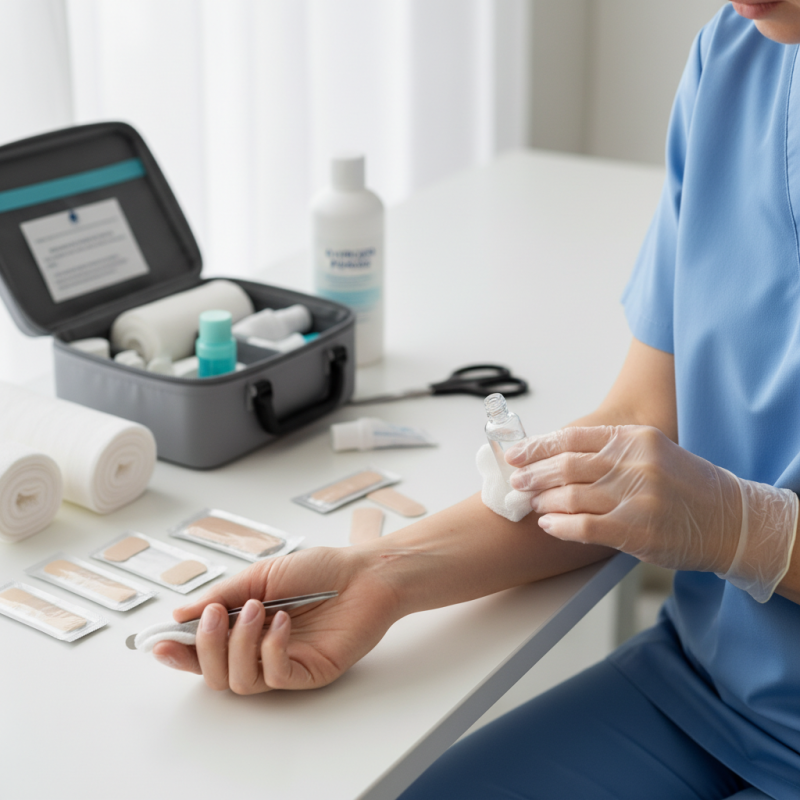
Wound care safety at home is crucial for healing and preventing infections. Many underestimate the importance of proper care. Understanding your wounds can help manage them better. Cleanliness is non-negotiable. It reduces infection risks. Always wash your hands before touching a wound. Simple actions can make a significant difference.
Consider the environment where care takes place. Ensure surfaces are clean and tools are sterilized. A cluttered space can lead to accidents and mistakes. Don't rush through wound dressing changes. Take your time and use the right technique. Using expired supplies can compromise healing. Regularly check the expiration dates and stock fresh materials.
Alongside these practices, it’s vital to monitor the healing process. Look for signs of infection, such as increased redness or pus. These require immediate attention. Even if the wound appears minor, it could develop complications. Regular follow-ups with a healthcare professional can enhance safety. They can offer guidance tailored to your needs. Make it a habit to educate yourself about wound care. Reliable information enhances your ability to manage wounds effectively.
| Tip | Description | Importance |
|---|---|---|
| 1. Wash Hands | Always wash your hands before touching a wound. | Prevents infection transfer. |
| 2. Clean the Wound | Gently clean the wound with mild soap and water. | Removes debris and bacteria. |
| 3. Use Sterile Dressings | Apply sterile gauze or bandages to the wound. | Protects the wound from infections. |
| 4. Change Dressings Regularly | Change the dressing at least once daily or when wet. | Keeps the wound clean and dry. |
| 5. Monitor for Infection | Look for signs of redness, swelling, or pus. | Early detection leads to better outcomes. |
| 6. Avoid Picking | Do not pick at scabs or the wound area. | Minimizes scarring and infection risk. |
| 7. Elevate the Wounded Area | If applicable, keep the wounded area elevated. | Reduces swelling and promotes healing. |
| 8. Stay Hydrated | Drink plenty of fluids to aid recovery. | Hydration supports overall health. |
| 9. Follow Medical Advice | Adhere to any care instructions from your doctor. | Ensures effective treatment and monitoring. |
| 10. Seek Help When Needed | Consult a healthcare professional for any concerns. | Protects against complications. |
: Start by washing your hands thoroughly. Use clean, lukewarm water to rinse the wound.
Avoid harsh soaps and alcohol. They can irritate the tissue and worsen the wound.
Pat the area dry with a sterile gauze pad. Keeping it dry is essential to prevent bacteria growth.
Change the dressing daily or if it becomes wet. This helps maintain cleanliness.
Look for increased redness, swelling, or pus. An unusual odor may also indicate an infection.
Seek help if fever above 100.4°F develops or if pain intensifies. Early action can prevent complications.
Yes, using sterile materials protects against infection. It’s a small step with a big impact.
Monitor the wound carefully. Keep it clean and dry, and trust your instincts if something feels off.
If changes occur, consult a healthcare professional. It’s better to be cautious.
Many overlook the importance of drying the wound and monitoring for signs of infection. Remain vigilant.
When it comes to **how to care for wounds at home safely**, it's crucial to understand the importance of maintaining safety throughout the process. Gathering necessary supplies, such as sterile dressings, saline solution, and gloves, is the first step toward effective wound care. Properly cleaning and disinfecting the wound helps prevent infection, while choosing the right dressings ensures adequate protection and support for healing.
Additionally, it’s vital to recognize signs of infection, such as increased redness, swelling, or pus, and know when to seek medical assistance. By following these essential tips and maintaining a vigilant approach, individuals can successfully manage wound care at home and promote better healing outcomes.

 Renovera Medical