How Often Should You Change Wound Coverings for Best Healing?

Time:2026-04-13 Author:Madeline
0%

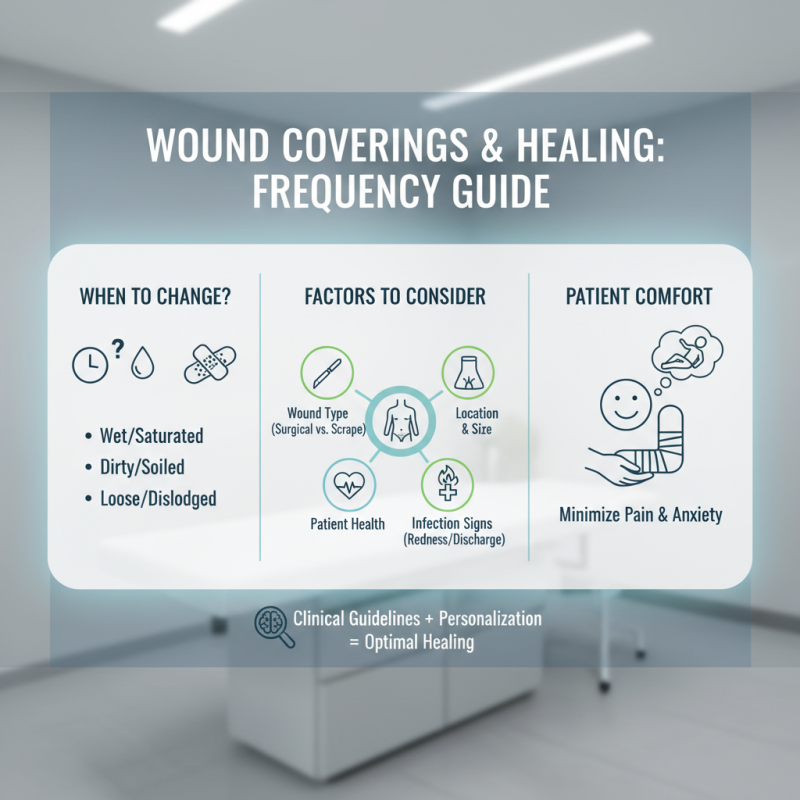
When addressing wound care, one crucial question arises: how often should wound coverings be changed? This decision significantly impacts the healing process. Proper management of wound dressings is essential for preventing infection and promoting optimal recovery. Many factors influence the frequency of changes, including the type of wound, its location, and the patient's overall health.

In general, coverings should be changed when they become wet, dirty, or loose. However, individual needs can vary. For instance, a surgical wound may have different requirements than a minor scrape. Observing signs of infection, such as increased redness or discharge, is vital. Such changes might necessitate more frequent dressing changes.

Moreover, considering patient comfort is essential. A tightly adhered dressing may cause pain during removal, leading to anxiety. Thus, balancing effective healing with the patient's experience is paramount. Research and clinical guidelines can provide a framework, but personalization remains key.
How Often Should You Change Wound Coverings for Best Healing?

Factors Influencing the Frequency of Wound Dressing Changes

Wound dressing changes are crucial for healing. Various factors influence how often these changes should occur. The type of wound plays a significant role. For example, deeper or more severe wounds may require more frequent changes to prevent infection. On the other hand, superficial wounds might need less attention.

Moisture levels are another important factor. A wet dressing can promote healing but may also lead to maceration of the skin. Conversely, too dry a dressing can stick to the wound, causing pain upon removal. Monitoring the wound's condition is vital. Redness or increased drainage may indicate a need for an earlier dressing change.

Patient comfort and lifestyle matter too. Some individuals may find frequent changes disruptive. Balancing healing with daily activities is essential. Moreover, access to sterile supplies can impact dressing change frequency. Those in remote areas might struggle to maintain a clean regimen. Reflecting on these factors can guide better wound care choices.

Types of Wounds and Their Healing Requirements

Wound healing varies significantly depending on the type of wound. For instance, acute wounds, like cuts or abrasions, generally heal quickly. These usually require frequent dressing changes to prevent infection and keep the area clean. Changing the covering at least once daily is often recommended, especially if the dressing becomes wet or dirty.

Chronic wounds, such as pressure ulcers or diabetic foot ulcers, present different challenges. These wounds may take weeks or even months to heal. It's essential to avoid excessive moisture but also to provide enough hydration to the tissue. Dressings for chronic wounds should be changed based on the exudate level. Some may need changing every few days, while others might last longer if they are intact and dry.

In practice, many people struggle with knowing when to change dressings. It's easy to overlook signs of infection, like redness or increased pain. Regular inspection of the wound site is crucial, yet often neglected. Learning the specific needs of the wound type can empower one to manage healing effectively. Each wound tells a unique story about the body's healing process.

Signs Indicating a Need for Dressing Change

When caring for wounds, recognizing signs that indicate a need for a dressing change is crucial. Signs include increased redness, swelling, or warmth around the wound. According to data from the Journal of Wound Care, nearly 30% of patients report these symptoms. This suggests that timely changes can accelerate healing.

Another key indicator is exudate management. If the dressing becomes saturated, it may not protect the wound sufficiently. A study published in the Nursing Standard found that dressings should be changed if they are over 50% saturated with fluid. Neglecting to do so can lead to maceration of the skin and increased risk of infection.

Moreover, pay attention to any foul odor. This could signify an infection. It's essential to be vigilant. Tracking these signs allows for better healing. Many patients overlook subtle changes, potentially prolonging recovery. Wound care requires both knowledge and observation skills for optimal outcomes.

Recommended Best Practices for Wound Care Management

Wound care is crucial for optimal healing. Changing wound coverings regularly can prevent infection and promote recovery. Different types of wounds may require varied care routines.

Tips for wound care often emphasize cleanliness. Always wash your hands before touching a wound or changing dressings. Use sterile materials to minimize the risk of infection. Check the dressing regularly for signs of moisture or dirt.

If a bandage becomes soaked, replace it. For minor cuts, coverings can be changed daily. However, for larger wounds, consult a healthcare professional for the best schedule. Listen to your body. If there are signs of redness or increased pain, seek advice. Healing is a process that may take time.

How Often Should You Change Wound Coverings for Best Healing? - Recommended Best Practices for Wound Care Management

Wound Type Recommended Change Frequency Notes
Surgical Wounds Every 2 to 3 days Change if soaked or dirty
Burns Every 1 to 3 days Monitor for signs of infection
Pressure Ulcers Every day or as needed Change if saturated or soiled
Diabetic Ulcers Every 1 to 3 days Consult healthcare provider for specific instructions
Venous Ulcers Every 1 to 2 days May require specialized dressings

Potential Risks of Infrequent Dressing Changes

Infrequent dressing changes can lead to several potential risks that hinder wound healing. Research indicates that leaving dressings unchanged for too long may result in increased bacterial colonization. A study from the Journal of Wound Care found that 30% of patients with chronic wounds developed infections due to inadequate dressing changes. This is a stark reminder of how closely wound care is tied to infection risk.

Moreover, old dressings can become moisture-retentive, creating an ideal environment for bacteria. A report from the Wound Healing Society suggests that moist environments can promote the growth of pathogens, further complicating healing. This can make the wound more painful and prolong recovery times. In some cases, patients end up needing more intensive treatments or even surgical interventions.

Neglecting proper dressing maintenance can also delay the detection of complications. Changes in wound appearance or odor may point to underlying issues, such as infection. If the dressing is not changed regularly, these signs might be missed, leading to worsening conditions. Wound care demands vigilance; even small oversights can lead to significant setbacks in recovery.

FAQS

: Why is wound care important for healing?

: Wound care supports optimal healing and prevents infections. Proper care is essential for recovery.

How often should wound dressings be changed?

Minor wounds may need daily changes. Larger wounds require professional advice for the best schedule.

What should I do before changing a dressing?

Always wash your hands before touching wounds. Cleanliness is crucial in preventing infections.

What happens if dressings are not changed frequently?

Infrequent changes can lead to infections and complications. Bacterial growth may increase significantly.

How can old dressings affect wounds?

Old dressings can retain moisture, promoting bacterial growth. This may complicate the healing process.

What signs indicate I should seek medical advice?

Look for increased redness or pain around the wound. Changes in odor or appearance may also signal issues.

Can neglecting wound care lead to other treatments?

Yes, poor care can necessitate more intensive treatments or even surgical interventions.

Is there a risk with moist environments for wounds?

Absolutely. Moist environments can promote pathogen growth, making the wound more painful and prolonging healing.

What materials should be used for dressing wounds?

Always use sterile materials. Non-sterile items can increase the risk of infection.

How can I detect complications in wound healing?

Regularly check for changes in appearance or odor. Neglecting these checks can lead to serious setbacks.

Conclusion

When considering how often should wound coverings be changed, several factors come into play, including the type of wound and its healing needs. Different wounds, such as surgical incisions, abrasions, or ulcers, may have specific requirements for dressing frequency based on their healing stages. Signs that indicate a need for a dressing change include increased pain, odor, or visible drainage, which can signal infection or delayed healing.

Following recommended best practices for wound care management is crucial to promote optimal healing and minimize complications. It is essential to balance the risks of infrequent dressing changes, such as infection and delayed recovery, with the necessity of maintaining a suitable environment for healing. Ultimately, understanding these elements helps determine the appropriate frequency of changing wound coverings to ensure effective care.

Madeline

Madeline

Madeline is a dedicated marketing professional with a wealth of expertise in our company's core offerings. With a keen understanding of the industry, she brings a unique perspective to her role, consistently delivering high-quality content that highlights the superior aspects of our products. As......