Top Signs of Poor Wound Healing You Should Not Ignore?

Time:2026-05-07 Author:Aria
0%

When it comes to wound care, understanding "what are the signs of poor wound healing" is crucial. Many individuals underestimate the importance of recognizing these signs. Effective wound healing is vital for overall health and recovery. Delayed or poor healing can lead to complications and infections. The body has remarkable healing abilities, but sometimes these processes falter.

You might notice redness or swelling around the wound. This often indicates that something is amiss. A wound that emits an unusual odor or produces excessive discharge may signal an underlying issue. Pay attention to persistent pain or symptoms that worsen over time. These can reveal deeper problems that require immediate attention.

Ignoring these signs can compromise recovery. It's essential to take quick action. Don't hesitate to seek medical advice if your wound isn't healing as expected. Being vigilant about your wounds can significantly impact your healing journey. Remember, your awareness can lead to better outcomes. Healing is a process, and with the right knowledge, you can support your body effectively.
Top Signs of Poor Wound Healing You Should Not Ignore?

Common Indicators of Delayed Wound Healing You Should Observe

Wound healing is a complex process. Observing common indicators of delayed healing is crucial. One significant sign is the lack of progress in the healing process. If a wound doesn’t show improvement after a week, it's worth assessing further. This stagnation might indicate infection or inadequate blood supply.

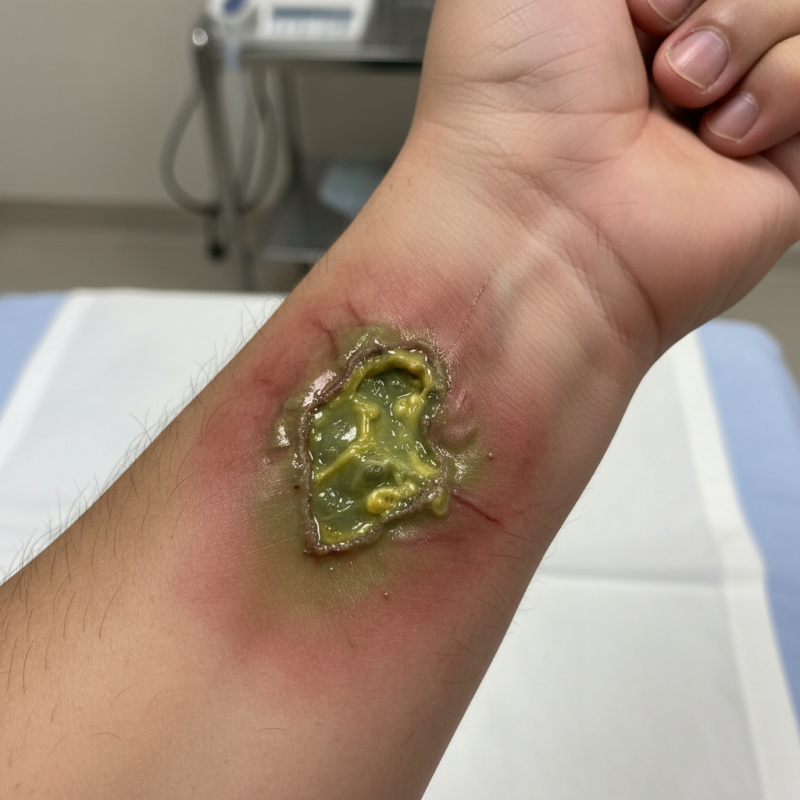
Another key sign is excessive swelling or redness around the wound. These symptoms can suggest inflammation or infection. If the wound area feels warm to the touch, it may warrant immediate attention. You might also notice a discharge that’s abnormal, be it yellow or foul-smelling. Such changes are not just cosmetic; they can signify serious underlying issues.

Pain that worsens over time can also be alarming. While some discomfort is normal, escalating pain indicates something may be off. Mental health plays a role here as well; anxiety and stress can slow healing. Reflecting on emotional health and addressing it is vital for recovery. If you observe any of these signs, seeking professional help is essential.

Signs of Infection in Wounds That Demand Immediate Attention

Wound infections can be serious and sometimes life-threatening. Recognizing the signs is crucial for prompt medical attention. If a wound becomes increasingly red, warm, or swollen, it may indicate an infection. These symptoms often worsen over time, rather than improving. An unusual or foul odor coming from the wound is another alarming sign. It often suggests the presence of bacteria.

Additionally, watch for increased pain that doesn't subside with typical treatments. Fever and chills can also accompany infections. If pus or other discharge appears, this should not be ignored. Discharge that is thick or colored may signal a serious problem.

Healing takes time, but these warning signs demand immediate intervention. It's important to be aware of your body’s cues. Ignoring them can lead to complications. Consult a healthcare professional if you notice any of these symptoms. They can assess your condition and recommend appropriate treatment. Taking action soon can greatly improve healing outcomes.

Factors Affecting Wound Healing and Their Warning Signs

Wound healing is a complex process influenced by various factors. Understanding these can help identify warning signs of complications early on. For instance, diabetes significantly affects healing. According to the American Diabetes Association, individuals with diabetes can have wound healing delayed by up to 50%. This is often due to poor blood circulation and nerve damage.

In addition to diabetes, age plays a crucial role. Research from the Journal of Wound Care reports that elderly patients often experience a slower healing process. Their skin loses elasticity and moisture, making it more prone to infection. Observing changes in the wound's appearance, such as increased redness or swelling, can indicate potential issues.

Nutritional status should not be overlooked. A deficiency in vitamins, particularly Vitamin C and zinc, can hinder healing. Studies show that inadequate nutrition may lead to a 30% increase in healing time. Take note if the wound shows signs of prolonged healing or excessive discharge. These may be signals that professional assessment is needed. Recognizing these factors can lead to better outcomes and more efficient healing.

Key Symptoms of Poor Blood Circulation Impacting Wound Recovery

Poor blood circulation can significantly hamper wound recovery. When blood flow is restricted, essential nutrients and oxygen fail to reach the damaged tissue. This delay in healing can lead to complications, including infections and chronic wounds. People with conditions like diabetes or peripheral artery disease often face these issues.

You may notice symptoms like persistent pain or swelling near the wound site. Skin discoloration, such as a bluish tint, can indicate lack of circulation. Additionally, if a wound remains red and inflamed for an extended period, it might suggest an underlying circulation problem. Even small wounds should heal properly; otherwise, it could signify a serious issue.

Paying attention to these signs is crucial. A minor cut on your foot could evolve into something more severe if circulation is compromised. Reflection on lifestyle choices, diet, and exercise can help improve blood flow. Regular check-ups with a healthcare provider can also manage any underlying health issues effectively.

Top Signs of Poor Wound Healing You Should Not Ignore

This chart illustrates the key symptoms associated with poor wound healing due to poor blood circulation. The data points represent the percentage of individuals experiencing each symptom.

Importance of Seeking Professional Help for Non-Healing Wounds

Non-healing wounds can have serious consequences. A report from the Centers for Disease Control and Prevention (CDC) shows that approximately 6.7 million people in the U.S. suffer from chronic wounds. These wounds do not heal properly and can lead to infections or amputations. Early intervention is key to preventing further complications.

When a wound fails to heal, it’s often a sign of underlying health issues. Poor circulation, diabetes, and infection all play a part. According to the American Diabetes Association, around 34.2 million Americans have diabetes, a condition that can significantly hinder wound healing. Seeking professional help can ensure proper assessment and treatment for these complex wounds.

Ignoring signs of poor healing can escalate the problem. If a wound is red, swollen, or produces discharge, it’s time for action. Healthcare professionals can provide advanced care options like debridement and wound dressings. The effectiveness of these treatments often hinges on timely medical attention, which can greatly improve healing outcomes. Investing in professional help could make a real difference in recovery.

FAQS

: What indicates that a wound is not healing properly?

: A lack of improvement after a week is a major sign. Seek further assessment if this occurs.

How does excessive swelling affect wound healing?

Excessive swelling or redness may indicate inflammation or infection. It's essential to monitor these symptoms.

What kind of discharge should you be concerned about?

Abnormal discharge that’s yellow or foul-smelling signals serious issues. Immediate attention may be needed.

Is pain a factor in wound healing?

Worsening pain over time can be alarming. Some discomfort is normal, but escalating pain is not.

How does mental health impact healing?

Anxiety and stress can slow down recovery. Reflecting on emotional wellbeing is crucial for healing processes.

What role does diabetes play in wound healing?

Diabetes can delay healing by up to 50%. Poor circulation and nerve damage are significant contributors.

How does age influence wound healing?

Elderly individuals often experience slower healing due to less skin elasticity and moisture.

Why is nutrition important in wound healing?

Vitamin deficiencies, like Vitamin C and zinc, can delay healing significantly. Nutrition plays a key role.

What should you do if a wound isn’t healing?

Professional help is essential. Observing changes can lead to timely interventions.

How can one assess their wound healing status?

Monitor for signs like prolonged healing, excessive discharge, and changes in appearance for effective evaluation.

Conclusion

Understanding what are the signs of poor wound healing is crucial for effective health management. Common indicators include prolonged redness, swelling, and the presence of discharge, which may signal infection and require immediate medical attention. Factors such as age, underlying health conditions, and lifestyle choices can greatly influence the healing process, and awareness of these factors is essential.

Additionally, key symptoms that indicate poor blood circulation, like persistent pain or numbness around the wound, can significantly hinder recovery. Recognizing these signs is vital, as seeking professional help for non-healing wounds can lead to timely interventions and prevent complications. Addressing these warning signs ensures better outcomes in wound management and promotes faster healing.

Aria

Aria

Aria is a dedicated marketing professional with a deep passion for innovative strategies and a keen understanding of our company's product offerings. With a wealth of experience in the industry, Aria excels at crafting engaging content that highlights the unique features and benefits of our......