When we look at wounds, a curious question arises: why do some wounds heal faster than others? This inquiry invites us to explore the intricate factors that influence wound healing. A variety of elements play a role, including the type of wound, individual health, and even environmental conditions. Understanding these variables can empower us with actionable insights.
Our body’s unique healing response can be profoundly different from one person to another. Factors like nutrition, age, and underlying health conditions significantly impact this process. Moreover, it's essential to acknowledge that even minor wounds may sometimes take longer to heal. This reality serves as a reminder of the complex nature of our body's healing mechanisms.
As we dive into this topic, we will present seven essential tips to optimize wound healing. These practical strategies can enhance recovery and reduce the risk of complications. It’s crucial to reflect on these methods, as they may not work for everyone in the same way. Each individual’s healing journey is unique and deserves careful consideration.
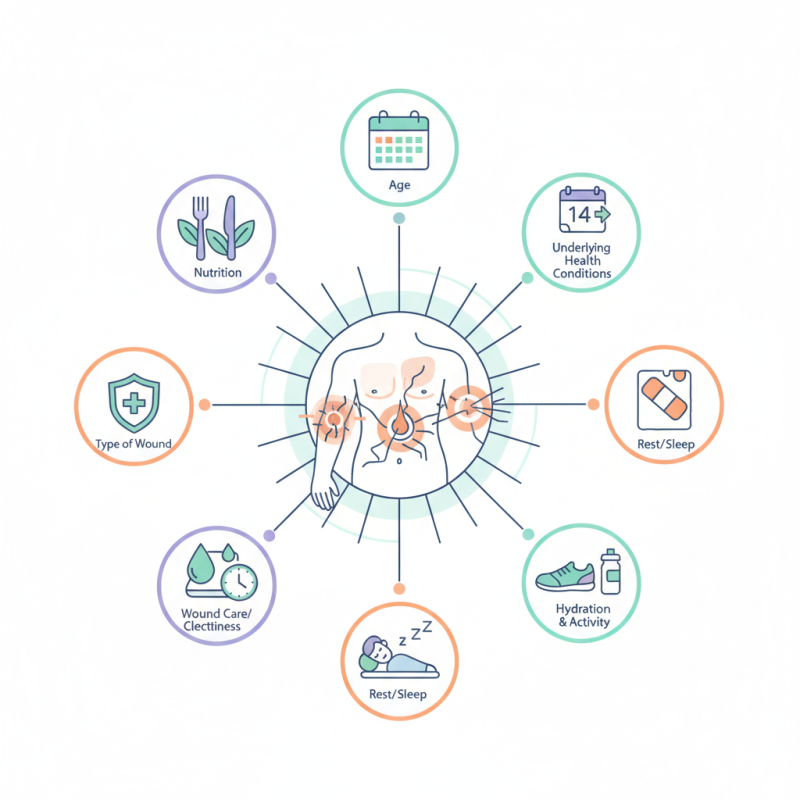
Wound healing is a complex process influenced by various factors. Age plays a significant role;
older adults often face slower healing due to reduced immune response
and skin elasticity. Research indicates that individuals over 60 can take up to 30% longer to heal
compared to younger individuals. Nutrition is
another key factor. The body requires essential nutrients like vitamins A and C,
and proteins to repair tissue effectively. A deficiency in these can prolong healing.
In addition, the type and location of the wound can affect healing rates. For instance, wounds on the
lower extremities may heal slower due to diminished blood flow.
According to a study published in the Journal of Wound Care, chronic
conditions like diabetes can result in a 50% higher risk of delayed healing.
Stress also impacts the healing process, as it can suppress immune function.
Understanding these factors provides essential insights into wound care.
Nutrition plays a vital role in wound healing. Studies show that poor nutrition can delay recovery. For instance, a lack of protein can slow tissue repair. Proteins are essential for creating new cells. An inadequate intake may lead to prolonged healing times.
Vitamins also significantly impact recovery. Vitamin C supports collagen synthesis, essential for wound integrity. A report indicates that patients with low vitamin C levels heal 25% slower than those with adequate levels. Additionally, vitamin A helps maintain skin and mucosal membranes, crucial for preventing infections in wounds.
Water, often overlooked, is equally important. Dehydration can impede circulation and nutrient delivery. It's crucial to stay hydrated to facilitate recovery. Reflecting on these aspects, individuals may realize they often neglect their nutritional needs during recovery periods, potentially leading to slowed healing.
Age and health conditions significantly impact the wound healing process. Older adults often experience slower healing due to reduced collagen production and diminished circulation. Chronic illnesses, such as diabetes, can also hinder the repair process. The body’s response to injury is complex and can vary greatly depending on these factors.
One essential tip is to maintain a balanced diet rich in vitamins. Nutrients like Vitamin C and zinc are vital for skin repair. Staying hydrated also plays a crucial role. A well-hydrated body supports cellular function and flushes out toxins.
Another factor to consider is proper wound care. Clean the wound daily to prevent infection. Use sterile dressings and change them regularly. Lastly, a positive mindset can aid recovery. Stress and anxiety may further delay healing. Embracing relaxation techniques can foster a better environment for recovery, making a significant difference in the healing timeline.
Wound care plays a critical role in ensuring efficient recovery. Proper practices can reduce healing time significantly. According to the American College of Surgeons, poor wound care can delay recovery by nearly 50%. To optimize wound healing, maintaining a clean environment is essential. Regularly cleaning the wound area prevents infections, which can hinder the healing process.
Hydration is another vital aspect. A study by the National Institutes of Health indicates that well-hydrated individuals experience faster healing rates. This is because hydration aids in cellular function and skin elasticity. Additionally, managing nutritional intake is crucial. Proteins, vitamins A and C, along with zinc, contribute to tissue repair, as highlighted by the Academy of Nutrition and Dietetics.
Inadequate attention to these factors can lead to complications. For example, untreated infections may require longer medical interventions. Some individuals may find themselves in a cycle of poor healing and frustration. Engaging with healthcare professionals for personalized advice can be invaluable. They can guide appropriate techniques for specific wounds, ensuring a focused approach to recovery.
The psychological landscape plays a crucial role in wound healing. Stress can significantly impair the body’s healing processes. Research from the American Psychological Association indicates that high stress levels can delay wound closure by days or even weeks. When an individual is stressed, their body produces cortisol, which can slow down inflammation and tissue repair.
Mindset also influences recovery rates. A study reported in the Journal of Behavioral Medicine found that individuals with a positive outlook heal faster. Optimism can boost immune function and improve overall health. Engaging in mindfulness practices like meditation may help reduce stress levels. Such practices can lower cortisol and improve mental resilience.
Not all wounds heal at the same pace. Factors like stress and mindset frequently intersect with physical health. Even minor wounds can take longer to heal if a person feels overwhelmed or anxious. Individuals may find themselves trapped in a cycle of negative emotions, which affects not only their mental state but also their physical recovery. Recognizing this connection is vital for effective healing.
: Nutrition is vital because poor intake can delay recovery. A lack of protein slows tissue repair.
Proteins help create new cells. Insufficient protein intake can lead to prolonged healing times.
Vitamins significantly impact recovery. For example, Vitamin C supports collagen synthesis, crucial for wound integrity.
Low Vitamin C levels can slow healing by 25% compared to those with adequate levels.
Staying hydrated facilitates nutrient delivery. Dehydration can hinder circulation and impede recovery.
Neglecting wound care can delay recovery by nearly 50%. It increases the risk of infections.
Proper hydration aids cellular function and improves skin elasticity, speeding up healing rates.
Yes, neglecting nutrition may result in complications like untreated infections and frustrated healing processes.
Engaging with healthcare professionals can provide tailored advice for specific wound care techniques.
Some individuals may neglect what they eat during recovery, leading to slower healing than expected.
The article "Why Do Some Wounds Heal Faster Than Others: 7 Essential Tips" explores various factors that influence wound healing rates. Key aspects include the impact of nutrition on recovery, as adequate nutrients are crucial for tissue repair. It also discusses how age and existing health conditions can significantly affect the healing process, with younger individuals and those in better health typically experiencing speedier recoveries.
Additionally, the article emphasizes common wound care practices that can promote faster healing and highlights the psychological aspects, such as stress and mindset, that may play a vital role in the overall healing journey. Understanding these elements provides valuable insights into why some wounds heal faster than others, offering practical tips for enhancing recovery outcomes.
Renovera Medical