A first aid kit should do more than look reassuring on a bathroom shelf. In a minor emergency, its contents must be easy to find, simple to use, and suitable for real household needs. The practical question is, what are the essential items in a first aid kit when a cut is bleeding, a child has a fever, or someone twists an ankle?
Dr. Eric A. Weiss, an emergency physician and first-aid educator, is often credited with saying, “The best first aid kit is the one you have with you.” That principle still matters in 2026. A useful kit may include adhesive bandages, sterile gauze, medical tape, antiseptic wipes, disposable gloves, tweezers, scissors, a digital thermometer, a cold pack, and an emergency blanket. Add basic medicines only when they are appropriate for the household, clearly labeled, and checked for expiration dates.
Small details make a difference. Gauze should be sealed. Gloves should fit. A flashlight can help during a nighttime injury. A printed emergency contact card may work when a phone battery does not. Keep the kit where adults can reach it quickly, but children cannot open it unsupervised.
No kit is perfect. I still find expired supplies in otherwise careful homes. That is a useful warning. Contents need regular inspection, practical training, and replacement after use. This guide examines dependable essentials, sensible upgrades, and the limits of home first aid without encouraging unsafe treatment or false confidence.
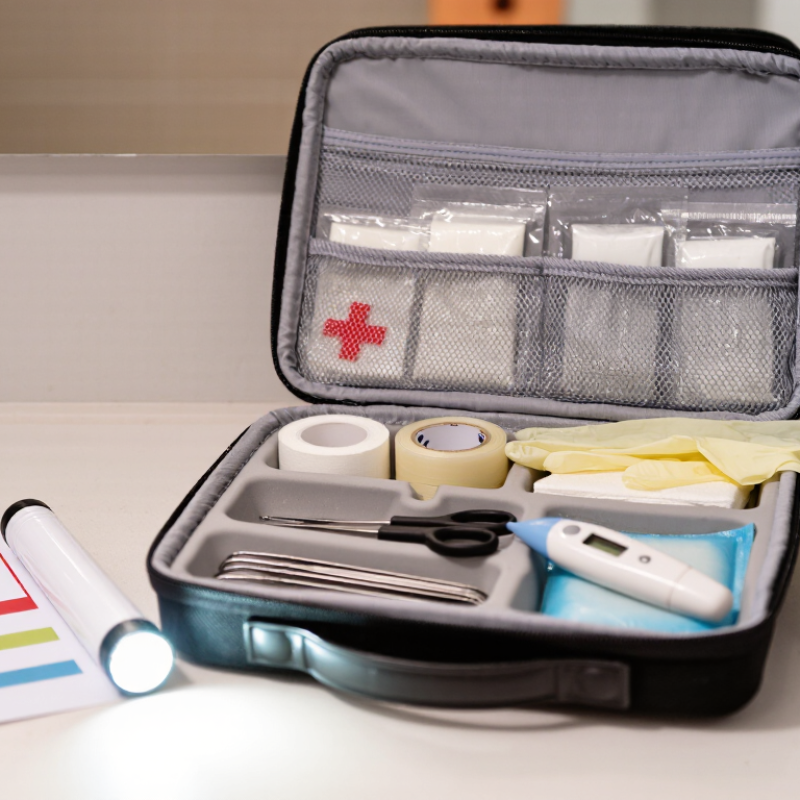
What a First Aid Kit Is Designed to Do
A first aid kit is designed to provide immediate, practical support when injury or illness occurs. It helps control bleeding, protect wounds, reduce contamination, and stabilize a person until professional care is available. It is not a substitute for medical treatment. That distinction matters.
A useful kit should contain disposable gloves, sterile gauze, adhesive dressings, medical tape, antiseptic wipes, and a clean triangular bandage. Include blunt-tip scissors, tweezers, a digital thermometer, and a cold pack. A small flashlight can help during power failures. Add clear emergency numbers and basic first aid instructions. Every item should be easy to find, even with shaking hands.
Real use exposes weaknesses. A kit may look full, yet contain dried wipes or expired supplies. Check it every few months. Replace opened, damaged, or outdated items. Store it somewhere dry, visible, and reachable, not buried under luggage. For serious bleeding, breathing problems, burns, or suspected fractures, contact emergency services promptly. The kit can buy time, but it cannot diagnose danger. Keep that limitation visible.
Core Supplies for Wounds, Bleeding, and Minor Injuries
A 2026 first aid kit should prioritize wounds, bleeding, and minor injuries. The CDC’s WISQARS data records millions of nonfatal injury-related emergency visits in the United States each year. A small kit cannot replace medical care, but it can protect a cut during the critical first minutes. Bleeding comes first.
Pack sterile gauze pads, adhesive strips in several sizes, medical tape, and a clean triangular bandage. Add nitrile gloves, antiseptic wipes, saline for rinsing, and small blunt-tip scissors. A compact pressure dressing can help maintain firm pressure on a deeper wound. The American College of Surgeons’ STOP THE BLEED program emphasizes direct pressure, wound packing when appropriate, and tourniquet use for life-threatening limb bleeding. Include simple printed instructions, not only equipment.
Minor injuries still need practical details. Add a cold pack for swelling, tweezers for visible splinters, burn dressings, and a thermometer. Keep supplies sealed and check expiration dates every six months. Store the kit where children cannot misuse it, yet adults can reach it quickly. Keep it visible.
A common mistake is buying too many items and practicing none. I have found that unclear packaging slows decisions, especially with wet hands or poor lighting. Label the bleeding supplies in large print. Replace opened dressings immediately. For severe bleeding, shock symptoms, eye injuries, or deep wounds, contact emergency services without delay. A first aid kit helps, but it does not diagnose injuries.
Tools for Burns, Sprains, Fractures, and Sudden Illness
2026 Top First Aid Kit Essentials: Tools for Burns, Sprains, Fractures, and Sudden Illness
A dependable first aid kit should handle common injuries without pretending to replace medical care. Include disposable gloves, sterile gauze, nonstick burn dressings, adhesive tape, elastic bandages, triangular bandages, scissors, tweezers, and a digital thermometer. Add a breathing barrier and a written emergency contact card. Keep supplies sealed, dry, and easy to find.
For burns, use cool running water for at least 20 minutes. Do not apply ice, butter, or thick creams. Cover the area loosely with a sterile, nonstick dressing. Sprains may need a wrapped cold pack, gentle compression, and elevation. Check the fingers or toes for numbness, unusual color, or increasing pain. For suspected fractures, keep the injured area still and support it with padding or a splint. Never force a bent limb straight. Seek urgent medical help for severe pain, open wounds, loss of sensation, or poor circulation.
Sudden illness requires calm observation. A thermometer, oral rehydration solution, face masks, and a small notebook can help track symptoms, fluids, and medication times. Do not give food or drink to someone who is unconscious, confused, or struggling to swallow. Call emergency services for chest pain, breathing difficulty, seizure, stroke signs, or sudden collapse. A practical mistake is packing too many tiny adhesive strips and too little gauze. Review the kit every few months; expired supplies and missing gloves are easy to overlook.
2026 First Aid Kit Essentials: What Should It Include?
This chart presents a practical quantity guide for a compact household first aid kit. It covers common needs related to burns, sprains, fractures, cuts, and sudden illness. Quantities are planning recommendations rather than a universal legal standard. For serious bleeding, suspected fractures, breathing problems, or severe burns, contact local emergency services immediately.
Medicines, Protective Gear, and Personal Health Needs
2026 Top First Aid Kit Essentials: What Should It Include?
A reliable first aid kit begins with medicines matched to real household needs. Include pain and fever medicine, an antihistamine, oral rehydration salts, and a thermometer. Follow every label carefully. Do not give aspirin to children unless a qualified clinician advises it. Keep prescribed medicines in original containers, with doses and expiry dates visible. People with asthma, diabetes, severe allergies, or heart conditions may need personal emergency supplies. I have found that a written medication list prevents confusion during stressful moments. It should include allergies, medical conditions, and emergency contacts.
Protective gear protects both the injured person and the helper. Pack disposable nitrile gloves, hand sanitizer, face masks, and basic eye protection. Add sterile gauze, adhesive dressings, medical tape, saline, antiseptic wipes, and blunt-tip scissors. Tweezers can remove small splinters, but deep objects need professional care. Store items in separate, clearly marked pouches. Keep them dry.
Personal health needs are easy to overlook. Add menstrual products, spare contact lenses, prescribed inhalers, glucose supplies, and suitable skin-care items. A small flashlight helps during power cuts. Check the kit every few months. Expired medicine is a quiet risk. I sometimes overpack minor items and miss essentials, so a simple checklist helps. Packaging can tear, and batteries can fail. Store backup supplies separately and review the kit after every use.
How to Organize, Store, Inspect, and Replace Kit Contents
2026 Top First Aid Kit Essentials: What Should It Include?
A useful first aid kit is easy to find, open, and understand. Store it in a cool, dry place away from direct sunlight and moisture. Keep it accessible, but protect it from young children and unnecessary handling. Divide supplies into clear groups, such as wound care, protective equipment, medicines, and emergency information. Small pouches or labeled compartments prevent a rushed search from becoming a problem. Keep an inventory sheet inside the lid. Record quantities and expiration dates.
Tips:
Inspect the kit monthly and after every use. Check sterile packaging for tears, dampness, or dust. Replace opened dressings, used gloves, damaged tools, and dried-out adhesive products immediately. Do not rely only on expiration dates. A sealed item may still be unusable if its package is crushed or wet. Store medicines only when they are suitable for the intended users, and follow professional or local health guidance. Include emergency contact details and basic instructions, especially in shared workplaces or vehicles.
I have seen well-stocked kits fail because nobody knew who checked them. Assign one responsible person, but allow every user to report missing supplies. Review the inventory after drills, trips, or minor incidents. Some items may expire before anyone notices. That is an uncomfortable oversight, and it deserves a better process. Recheck the kit when seasons change, especially if heat or freezing temperatures could affect its contents.
FAQS
Pack sterile gauze, adhesive strips, medical tape, saline, antiseptic wipes, and nitrile gloves. Bleeding comes first. Add blunt-tip scissors and a clean triangular bandage.
Apply firm, direct pressure with sterile gauze. For life-threatening limb bleeding, use a tourniquet only with proper training. Contact emergency services immediately. Do not delay.
Include suitable pain and fever medicine, antihistamines, and oral rehydration salts. Follow each label carefully. Never give aspirin to children without qualified medical advice.
Keep prescribed medicines in original containers with visible instructions and expiry dates. Add inhalers, glucose supplies, menstrual products, or spare contact lenses when needed. A written medication list can prevent confusion.
Use disposable nitrile gloves, hand sanitizer, face masks, and basic eye protection. Protect the helper first. Keep supplies dry and separated in marked pouches.
Add a cold pack, burn dressings, tweezers, and a thermometer. Remove only visible, shallow splinters. Deep objects need professional care.
Store it visibly, dry, and away from children. Adults should reach it quickly. Check supplies every six months. Replace opened dressings immediately.
Do not buy many items without learning how to use them. Unclear packaging can slow decisions with wet hands or poor lighting. Label bleeding supplies in large print. I sometimes overpack minor items and miss essentials.
Conclusion
A well-prepared first aid kit is designed to provide immediate, practical support until professional medical care is available. In 2026, essential contents should include adhesive bandages, sterile gauze, medical tape, antiseptic wipes, wound dressings, and disposable gloves for treating cuts, scrapes, blisters, and minor bleeding. Clean scissors, tweezers, safety pins, and a first aid guide can also improve response and organization. If you are wondering “what are the essential items in a first aid kit,” start with supplies that address the most common injuries in your home, vehicle, workplace, or travel bag.
The kit should also contain items for burns, sprains, suspected fractures, and sudden illness, such as burn coverings, cold packs, elastic bandages, triangular bandages, splints, a thermometer, and basic over-the-counter medicines suited to personal needs. Protective equipment and individual health supplies should be selected carefully. Store everything in a dry, accessible container, group similar items together, check expiration dates regularly, and replace used, damaged, or outdated contents promptly.

 Renovera Medical