Allergic reactions can significantly impact your skin treatment experience. Understanding how to avoid allergic reactions in skin treatment is crucial for achieving optimum results. Many products contain ingredients that may trigger sensitivities. Identifying personal allergens is a key step in this process.
Your skin is unique, and reactions can vary widely. Patch testing new products on a small area is a practical approach. Seek advice from dermatologists who specialize in skin treatments. They can provide expert recommendations tailored to your skin type. Remember, even natural ingredients can cause allergies.
Keeping a journal of your skin’s reactions can be beneficial. This record helps track which products work best for you and which ones to avoid. It's important to remain vigilant and adjust your routine as needed. By taking proactive steps, you can enhance your skin treatment journey while minimizing the risk of allergic reactions.
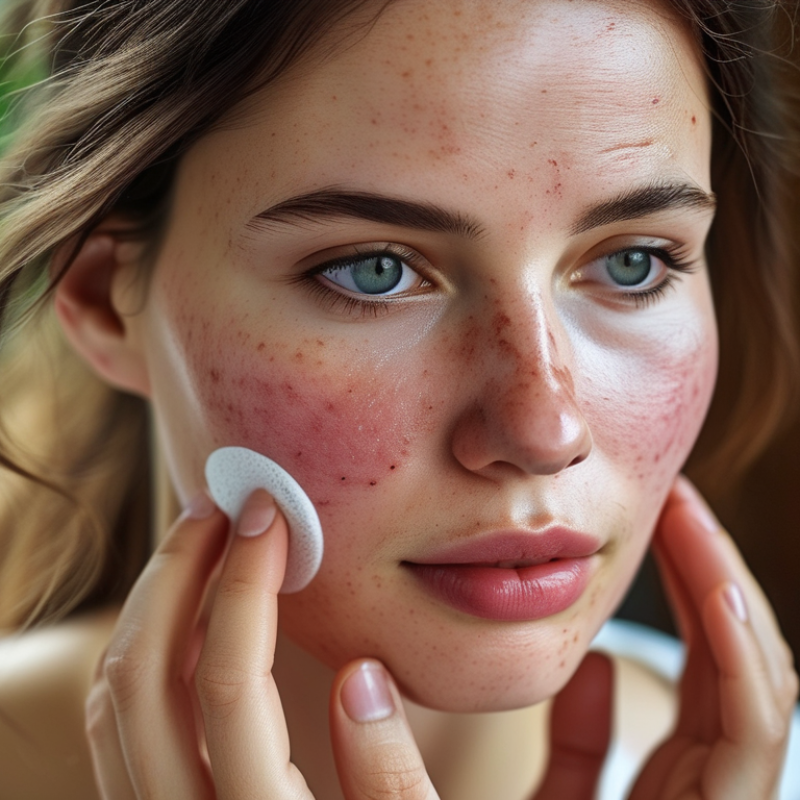
Allergic reactions can complicate skin treatments. These reactions may arise from various sources—ingredients, environmental factors, or individual sensitivities. When selecting skincare products or treatments, it's crucial to read labels carefully. Many formulations contain common allergens, such as fragrances and preservatives. A patch test can be beneficial in identifying potential reactions before applying a product to the entire area.
Understanding your skin type is essential. Sensitive skin often reacts unpredictably. Consult with a dermatologist if unsure about your skin's needs. They can provide insight into safe ingredients based on your history. Remember, what works for one person may not work for another. Keep a journal to track products and your reactions to them. This practice can highlight patterns and help in decision-making.
Being aware of your surroundings is equally important. Seasonal changes can affect your skin's behavior. Certain times of the year may trigger allergies and sensitivities. Stay informed about environmental factors in your area. If a reaction occurs, don’t panic. Address it swiftly but thoughtfully. Take notes on what you used prior to the reaction. This can lead to discovering underlying issues or trends in your skin's responses.
The following chart represents the percentage of individuals who experienced allergic reactions to various common skin treatments. This information is based on surveys conducted among dermatology patients.
Identifying allergens in skincare products is crucial for those prone to allergic reactions. Common ingredients like fragrances, preservatives, and colorants often trigger skin sensitivities. Research indicates that nearly 50% of consumers experience some form of allergic reaction to skincare products. Knowledge about these allergens can empower individuals to make informed choices.
Fragrances are among the most reported allergens. They can cause skin irritations and rashes in sensitive individuals. Studies reveal that as many as 30% of people with sensitive skin respond negatively to synthetic fragrances. Similar attention should be paid to preservatives like parabens and formaldehyde-releasing agents. These substances can provoke contact dermatitis and worsen existing conditions.
Incorporating patch testing into your skincare routine is a sound practice. This method allows individuals to test new products on a small skin area before applying them widely. Professionals recommend waiting 48 hours to observe any adverse reactions. Making a habit of reading ingredient labels helps identify and avoid common allergens, enhancing your skincare safety. However, not all reactions are immediately visible. Some may surface days later, complicating the identification process. Tracking your skin's response over time can yield valuable insight into which products to avoid.
Choosing the right skincare products is crucial for those prone to allergic reactions. Hypoallergenic products are formulated to minimize allergens. They often avoid common irritants like fragrances and dyes. When selecting these products, it’s essential to check the ingredient list carefully. Even seemingly safe ingredients can trigger reactions in sensitive skin.
Non-comedogenic products are designed to prevent clogged pores. This aspect is vital for individuals with acne-prone skin. These products allow the skin to breathe while providing necessary hydration. Keep in mind that everyone's skin is unique. Testing a small area before full application can help catch potential reactions early.
Be aware that "hypoallergenic" doesn’t guarantee safety. Some individuals may still have reactions. It’s important to listen to your skin and adapt your routine as necessary. If irritation occurs, reassessing your product choices is essential. Creating a skincare routine requires patience and adjustments.
Conducting patch tests is essential before applying any new skin treatment. This simple step can help identify potential allergies. A small application of the treatment on a less sensitive skin area can reveal reactions. Common areas for testing include the inner arm or behind the ear. Wait 24 to 48 hours to observe any changes.
Many people overlook patch tests. They rush into using products without checking. This can be risky, leading to redness, itching, or swelling. These reactions might not only be uncomfortable but can also cause long-term skin damage. It is often easy to forget a patch test, but the results speak volumes. Prioritizing this practice can save time and money.
Even if you are familiar with a product's ingredients, reactions can change. Skin sensitization may occur after repeated use. Factors like stress, climate, and hormonal changes can affect how your skin reacts. Be cautious and proactive. Each treatment is an opportunity to understand your skin better. Taking these steps creates a healthier skincare routine.
If you suspect an allergic reaction during a skin treatment, the first step is to remain calm. Rather than panic, focus on assessing your symptoms. Common signs include redness, swelling, or itching. These reactions can occur within minutes or hours after application. It's important to identify potential allergens. This helps prevent future reactions.
As soon as you notice a reaction, remove any products from your skin. Gently wash the area with mild soap and cool water. Avoid scrubbing, as this can aggravate irritation. After cleansing, apply a cold compress. This offers immediate relief and reduces inflammation. Monitor your symptoms closely. If they worsen, seek medical advice without delay.
In some cases, over-the-counter antihistamines may provide comfort. However, not all reactions are mild. If you experience severe symptoms, like difficulty breathing or hives, call emergency services. Being prepared is crucial. Keep track of all products used and their ingredients. This record can help healthcare providers assist you better. Reflecting on your experience will enhance future skincare choices.
: Patch tests help identify potential allergies. They reveal reactions on a less sensitive skin area.
Common areas for testing include the inner arm or behind the ear. These spots are less sensitive.
Wait 24 to 48 hours to see if any reactions occur. Monitor for redness, swelling, or itching.
Skipping the test may lead to discomfort or skin damage, causing long-term issues.
Skin reactions can change over time due to stress, climate, or hormonal shifts. Be aware and cautious.
Remain calm and assess your symptoms. Common signs include redness or itching.
Remove products from the skin, wash gently with mild soap, and apply a cold compress for relief.
Seek medical advice if symptoms worsen or if you experience severe issues like difficulty breathing.
Yes, antihistamines may provide comfort, but monitor your symptoms closely.
Keep track of products used and their ingredients. Reflecting on past experiences helps in making better choices.
When exploring how to avoid allergic reactions in skin treatment, it's essential to begin by understanding what triggers these responses. Common allergens in skincare products include fragrances, preservatives, and certain active ingredients. By being well-informed about these elements, individuals can make better choices in their skincare routines.
In addition, opting for hypoallergenic and non-comedogenic products can significantly reduce the risk of adverse reactions. Conducting patch tests prior to full application of any new treatment is a crucial step. This simple test can help identify potential allergies before widespread use. Lastly, knowing the appropriate steps to take if an allergic reaction occurs can aid in prompt recovery and minimize discomfort. Taking these precautions can lead to safer and more effective skin treatment experiences.

Renovera Medical