2026 Best Compression for Injury Recovery How to Use?

Time:2026-11-19 Author:Liam
0%

Compression can make an injured ankle feel steadier, especially when swelling leaves the skin tight and shoes uncomfortable. But the right support depends on the injury, the stage of recovery, and your health. This 2026 guide explains how to use compression in injury recovery, compare elastic wraps with sleeves, and recognize when a bandage is too tight. A practical principle associated with sports medicine physician Dr. William O. Roberts can be summarized this way: “Compression should support the injured area, not restrict circulation.” This is a summary, not a verified verbatim quotation.

Fit matters. A wrap should feel snug, not painful, and toes or fingers should stay warm and their usual color. Check sensation often. Loosen or remove the wrap if you notice numbness, tingling, increasing pain, or discoloration. Compression may help manage swelling, but it does not repair every injury or replace an assessment. A fall followed by severe pain, inability to bear weight, or rapidly worsening swelling deserves prompt medical advice. Not every injury is obvious at first. That part can be frustrating. The guide will offer practical steps for applying compression, explain common mistakes, and clarify when professional guidance is safer than self-treatment. It will also note that people with circulation problems or reduced sensation should ask a clinician before using compression. The goal is sensible support—not a tighter wrap at any cost.
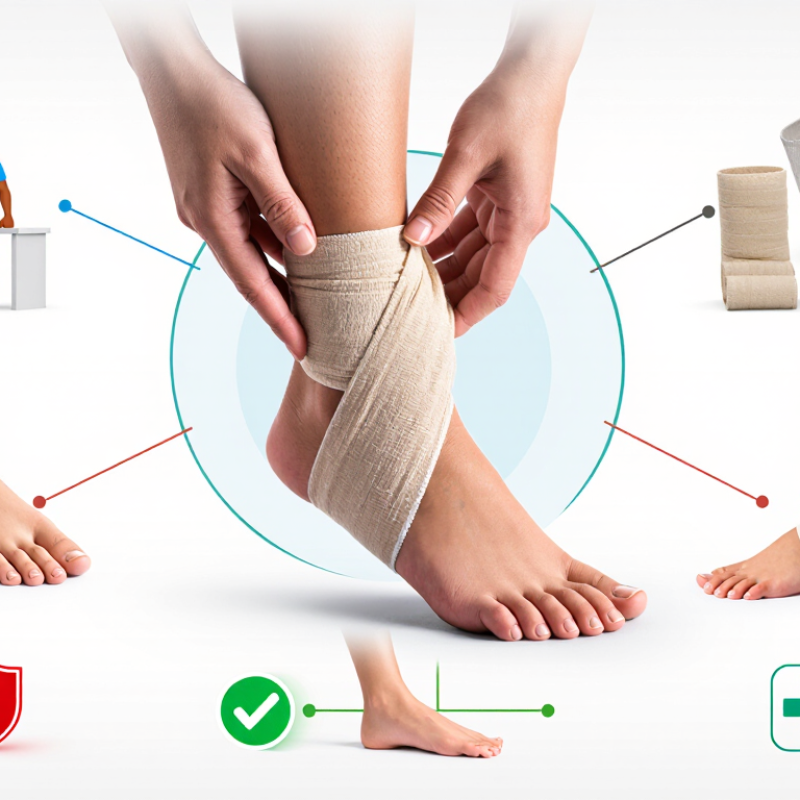
2026 Best Compression for Injury Recovery How to Use?

Understanding How Compression Supports Injury Recovery

Compression can support recovery by applying gentle, even pressure around an injured area. This may help limit swelling and make movement feel steadier. It does not repair tissue on its own. Rest, gradual activity, and appropriate medical guidance still matter.

Fit matters. A wrap should feel snug, not tight. Skin should keep its usual color and temperature, with no tingling or numbness. If an ankle wrap leaves deep grooves after a short walk, loosen it. It is easy to wrap too firmly when swelling is worrying; that can backfire. Ask a healthcare professional before using compression if you have reduced sensation or circulation, or have been told to avoid it. Seek medical advice for worsening pain, swelling, or unusual color changes.

Tips: Apply a wrap smoothly, starting below the injured area and moving upward, without pulling hard. Check the skin after a few minutes, then recheck during wear. Remove the wrap if discomfort, numbness, or color changes appear. Don’t assume tighter means better.

Choosing the Right Compression Method for Your Injury

Choosing compression starts with the injury, not the tightest wrap. For a mild ankle sprain with swelling, an elastic bandage can provide adjustable support; overlap each layer evenly and leave toes visible. A sleeve is easier to wear, but offers less control over pressure. For ankle instability, a lace-up or semi-rigid brace may provide more support during walking. The 2021 Journal of Orthopaedic & Sports Physical Therapy guideline recommends external support and progressive weight-bearing for many ankle sprains. It allows immobilization for up to 10 days in severe cases. Fit matters. Compression should feel snug, never painful.

Evidence has limits. A Cochrane review found insufficient evidence to show that compression alone speeds ankle-sprain recovery or identifies one best method. So treat it as support, not a cure. Check the skin and toes after applying a wrap; loosen it if they become numb, cold, blue, or increasingly painful. Avoid self-prescribing compression when you have reduced circulation, altered sensation, or a serious injury. A clinician can assess those risks and help match support to the injury. Even good advice can miss something: swelling that worsens, marked bruising, or difficulty bearing weight deserves prompt assessment.

Preparing the Injured Area Before Applying Compression

Before using a compression wrap or sleeve, pause and assess the injured area. Remove rings, watches, or tight clothing nearby, since swelling may increase. Compare the injured side with the other side for unusual color, swelling, or warmth. Take a slow look. Check for cuts, blisters, bruising, and tender spots; gentle observation is safer than pressing hard. Clean intact skin with mild soap and water, then dry it completely, especially between toes or beneath skin folds. Damp skin can become irritated under snug fabric.

Do not place compression directly over an open wound unless a healthcare professional has advised you how to protect it. Cover the wound with a clean dressing as directed, and avoid letting the wrap bunch over it. If the injury has not been assessed, or you are unsure whether compression is appropriate, pause and seek medical guidance. Don’t guess. Severe deformity, rapidly increasing swelling, inability to bear weight, or a pale, cold, or numb hand or foot needs prompt medical attention. Preparation is easy to rush, and even a careful visual check can miss a problem. A few quiet minutes can help you notice changes before fabric covers the area.

Preparing an Injured Area Before Applying Compression

A practical sequence to follow before putting on a compression wrap.

The bars show the order of the steps, not a recommended duration or compression level. Stop activity, inspect the area, remove nearby jewelry, gently clean and dry the skin, and position the injured area comfortably. Cover any open wound with a clean dressing before wrapping. Seek urgent medical care for severe pain, obvious deformity, numbness, or skin that becomes pale, blue, or cold.

Applying Compression Safely and Correctly

Compression can help limit swelling after some sprains and strains, but tighter is not better. Use an elastic bandage only if compression is appropriate for your injury. If you have reduced sensation, circulation problems, or diabetes, ask a clinician before applying it.

Start near the fingers or toes and wrap toward the body, overlapping each layer by about half. Keep the pressure even, and leave the ends visible so you can check their color. The wrap should feel supportive, not painful. You should still be able to move your fingers or toes comfortably. Too snug? Loosen it.

Check the skin after wrapping and again within a short time. Remove the bandage if you notice numbness, tingling, increasing pain, unusual coldness, or pale or bluish skin. Get medical advice if symptoms persist. Cover open wounds with a clean dressing first, and don’t use compression as a substitute for assessment when pain is severe or the injury looks deformed. Avoid sleeping in a wrap unless a healthcare professional has advised it. The tricky part is that swelling changes, so a comfortable fit now may become restrictive later.

2026 Best Compression for Injury Recovery How to Use? - Applying Compression Safely and Correctly
Step or situation How to apply compression Safety check
Choose the right option For a minor sprain or strain, an elastic wrap may provide comfortable support. A compression garment should fit the affected area and be used according to its sizing and care instructions. Compression should feel snug and supportive, never painful or constricting. Ask a health professional which option is appropriate if you are unsure.
Prepare the area Position the limb comfortably. If there is a wound, cover it with a clean dressing before applying a wrap; do not wrap directly over an uncovered wound. Do not use compression to manage a suspected fracture, dislocation, or serious injury without medical assessment.
Wrap an arm or leg Begin farther from the torso and wrap toward it, overlapping each turn by about half the bandage width. Use even tension and leave fingers or toes visible when possible. Avoid folds, tight bands, or excessive pressure. Do not pull the wrap as tightly as possible.
Check circulation and sensation After applying the wrap, check the area beyond it and recheck regularly. Loosen or remove the wrap if symptoms develop. Remove or loosen it promptly for increasing pain, numbness, tingling, unusual coldness, pale or blue skin, or swelling beyond the wrap. Seek medical advice if symptoms do not quickly improve.
Decide how long to wear it Use compression while awake only as needed for comfortable support, and follow a clinician’s instructions if you have them. Remove it for skin checks and when washing or drying the area. Do not sleep in an elastic wrap or compression garment unless a health professional has advised you to do so.
Consider personal health conditions Get professional advice before using compression if you have reduced circulation, reduced sensation, significant swelling, or a condition affecting the skin or blood vessels. Fit and pressure may need to be assessed by a clinician, especially if you have diabetes, neuropathy, or known vascular disease.
Know when to seek care Compression is a supportive measure and does not diagnose or treat every cause of pain or swelling. Arrange an assessment if symptoms are severe, worsening, or not improving. Seek urgent care for deformity, inability to use or bear weight on the injured area, rapidly increasing swelling, or a cold, blue, or numb limb.

General guidance: This information is for minor injuries and is not a substitute for individualized medical advice. Stop compression if it causes concerning symptoms.

Monitoring Comfort, Circulation, and Recovery Progress

Compression can support an injured area, but comfort and circulation matter more than a tight fit. Check your skin after putting on a sleeve or wrap. It should feel secure, not painful. Your fingers or toes should stay warm and their usual color. Numbness, tingling, increasing pain, or unusual swelling are signs to loosen or remove it. Seek medical advice if symptoms persist or worsen. A clinician can help you choose appropriate compression, especially after surgery or with existing circulation problems.

Tips: Follow the product instructions and your clinician’s advice. Check your skin again after activity. Keep a simple note of wear time, discomfort, and swelling.

Recovery is rarely a straight line. Track practical changes, such as whether swelling eases by evening or walking feels more comfortable. Compare similar times of day, since activity can affect how an injured area looks. Stop and reassess if compression leaves deep marks or makes symptoms worse. I sometimes find tracking tedious, and a missed note can happen; look for patterns over several days rather than judging progress from one check. Compression should not replace rest, rehabilitation guidance, or an assessment of a new injury.

FAQS

What can compression do during injury recovery?

Gentle, even pressure may help limit swelling and make movement feel steadier. It does not repair tissue by itself.

How tight should an elastic wrap feel?

Snug and supportive, never painful. You should still be able to move your fingers or toes comfortably.

How should I apply a wrap?

Start below the injured area, near your fingers or toes, and wrap toward your body. Overlap each layer by about half. Don’t pull hard.

What should I check after wrapping?

Check the skin after a few minutes, then again during wear. Watch for changes in color, temperature, or sensation.

What if the wrap leaves deep grooves or feels too tight?

Loosen it. Fit can be tricky to judge, especially when swelling is worrying.

When should I remove a wrap?

Remove it if you notice numbness, tingling, increasing pain, unusual coldness, or pale or bluish skin. Seek medical advice if symptoms persist.

Who should ask a healthcare professional before using compression?

Ask first if you have reduced sensation, circulation problems, diabetes, or have been told to avoid compression.

Should I sleep while wearing a wrap?

Avoid sleeping in it unless a healthcare professional advises you to. Swelling can change, making a comfortable wrap restrictive later.

When is compression not enough?

Severe pain or an injury that looks deformed needs medical assessment. Worsening pain, swelling, or unusual color changes also call for medical advice.

Conclusion

Compression can support injury recovery by helping manage swelling and providing gentle support, but the best approach depends on the injury, its location, and individual needs. This guide explains how to use compression in injury recovery, including how to choose an appropriate option, such as a wrap or compression garment, and how to prepare the area before applying it. Clean and dry the skin, check for wounds or irritation, and follow guidance from a qualified healthcare professional when available.

Apply compression evenly and comfortably rather than pulling it tightly. Check the area regularly for changes in comfort, skin color, temperature, sensation, or swelling. Loosen or remove the compression if you notice numbness, tingling, increased pain, or other concerning changes, and seek medical advice when needed. Monitoring comfort and circulation can help you use compression more safely while tracking recovery progress.

Liam

Liam

Liam is a dedicated marketing professional with a profound expertise in the industry, where he excels at highlighting the unique advantages of our core products. With a keen understanding of market trends and consumer needs, Liam frequently updates our company’s professional blog, providing......