Good wound hygiene is not about making a wound look spotless. It is about reducing contamination, protecting new tissue, and noticing problems early. A clean routine can support healing, but it cannot replace professional assessment when an injury is deep, contaminated, or worsening.
Understanding how to ensure hygiene during wound treatment begins with preparation. Wash your hands with soap and water before and after touching the wound. Use clean supplies, safe running water, and a fresh dressing when needed. Avoid rubbing fragile tissue or applying unapproved substances. A healthcare professional may recommend specific cleansing products, especially for burns, surgical wounds, or wounds linked to chronic conditions.
Small details matter. Keep pets, loose fibers, and dirty surfaces away from the dressing area. Dry the surrounding skin gently, without dragging a towel across the wound. No routine is perfect. People may forget handwashing, touch a used dressing, or clean too aggressively. Recognizing these mistakes is part of safer care.
Experience from clinical practice shows that consistent observation is valuable. Increasing redness, warmth, swelling, pain, pus, fever, or red streaks can signal infection. Seek medical advice promptly when these signs appear. Individuals with diabetes, poor circulation, reduced immunity, or repeated wounds may need earlier evaluation. Reliable wound care combines practical cleanliness with evidence-based guidance, careful observation, and humility about when home treatment is no longer enough.
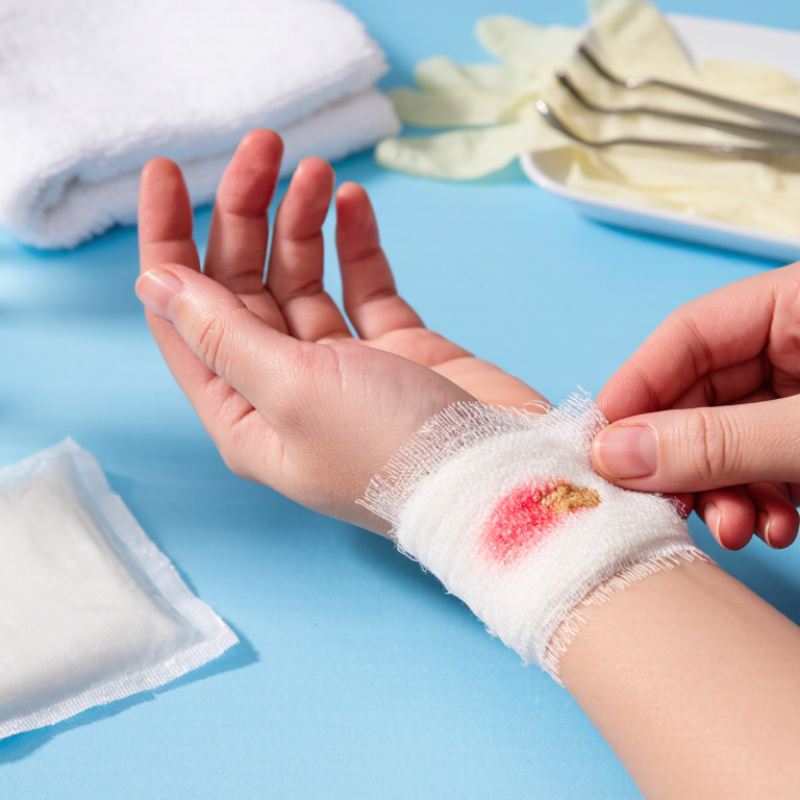
Wound hygiene protects healing tissue while limiting avoidable contamination. A clean wound is not necessarily sterile. The aim is to reduce dirt, excess exudate, harmful microorganisms, and damage to the wound bed.
The World Health Organization’s Global Report on Infection Prevention and Control (2022) estimates that 7 in 100 acute-care patients in high-income countries acquire at least one healthcare-associated infection. The figure rises to 15 in 100 in low- and middle-income countries. These numbers support careful, consistent wound care.
Good practice begins with hand hygiene, clean equipment, and a clear assessment. Check the wound edges, color, odor, drainage, and surrounding skin. Use an appropriate cleansing solution at a gentle temperature.
Avoid aggressive scrubbing, because fragile granulation tissue can bleed easily. Pat the surrounding skin dry. Keep the dressing secure, but do not trap excessive moisture. Moisture balance matters.
Small details matter.
A clinician should reassess increasing pain, spreading redness, warmth, swelling, fever, or foul drainage. These signs may indicate infection and require professional review.
The Centers for Disease Control and Prevention reports that about 1 in 31 hospitalized patients has at least one healthcare-associated infection on any given day.
However, hygiene alone cannot prevent every complication. Patient circulation, diabetes, nutrition, pressure, and treatment access also influence healing.
In practice, routines can become mechanical, and that is a weakness worth challenging. A wound needs observation, not just cleaning.
Before cleaning a wound, pause and assess what you can see. Note its location, size, shape, and likely cause. A shallow scrape differs greatly from a puncture or deep cut. Check whether bleeding stops with gentle, steady pressure. If blood spurts, the wound gapes widely, or tissue is visible, seek urgent medical care.
Look for dirt, glass, splinters, swelling, bruising, or crushed skin. Ask about pain, numbness, movement, and the time of injury. A finger wound deserves a circulation check: compare its color, warmth, and sensation with the other hand. Do not probe deeply or pull out an embedded object. That can increase bleeding or damage tissue.
Clean hands and good lighting matter. In practice, rushed assessments often miss small punctures beneath torn skin. I have learned that appearance can mislead. A tiny wound may hide deeper damage. After assessment, rinse minor wounds with clean running water and mild soap around the area. Avoid forcing strong chemicals into the tissue. Cover it with a clean, non-stick dressing.
Watch for increasing redness, warmth, swelling, pus, fever, or worsening pain. These signs need professional evaluation. Medical advice is also important for animal bites, dirty punctures, facial wounds, and injuries involving joints. Check vaccination history when soil or metal caused the injury. Do not assume a wound is safe because it looks small.
Following Safe Steps for Cleaning and Disinfecting a Wound
Safe wound hygiene starts with clean hands, gentle water, and careful observation. Wash your hands before touching the wound. Use clean, running water to remove visible dirt. Mild soap can clean the surrounding skin. Avoid pouring alcohol, hydrogen peroxide, or household disinfectants into the wound. They may damage healthy tissue and delay healing. Pat the area dry with clean gauze, then cover it with a sterile dressing. Change the dressing when it becomes wet or dirty.
The World Health Organization’s 2022 Global Report on Infection Prevention and Control identifies surgical site infections as a major healthcare burden. It reports infection rates reaching about 11% among surgical patients in low- and middle-income countries. The CDC also estimates that one in 31 hospitalized patients has a healthcare-associated infection on any given day. These figures show why small cleaning steps deserve attention. In practice, people often scrub too hard. I used to think stronger products meant safer care. That assumption needs questioning.
Tips: Seek medical care for deep cuts, puncture wounds, animal bites, embedded objects, uncontrolled bleeding, or spreading redness. Watch for warmth, swelling, pus, worsening pain, or fever. Check tetanus protection with a qualified clinician. Keep the wound covered, but do not seal in dirt or moisture. A clean dressing helps. It cannot replace professional assessment.
Choosing an appropriate dressing is central to safe wound hygiene. The wound’s size, depth, location, and drainage should guide the choice. A lightly oozing wound may need a simple, breathable covering. Heavier drainage requires a dressing that absorbs moisture without sticking to new tissue. A clinician should assess deep, spreading, or heavily contaminated wounds.
Clean your hands before and after every dressing change. Prepare a clean surface, fresh dressing, saline or recommended cleanser, and a disposal bag. Gently remove the old dressing. If it sticks, moisten it rather than pulling. Clean from the least soiled area outward, using a new gauze area for each stroke. Let the surrounding skin dry before securing the new dressing. Keep the inside surface untouched.
Tips: Change the dressing when it becomes wet, dirty, or loose. Follow the schedule provided by a healthcare professional. Do not apply household products or unapproved creams. Watch for increasing redness, warmth, swelling, pus, worsening pain, or fever. Seek medical advice promptly if these signs appear.
A practical detail is easy to miss: tape should hold the dressing, not squeeze the skin. Check nearby skin for blanching, rash, or numbness. I have seen people clean too aggressively, believing that stronger scrubbing means better hygiene. It can damage fragile tissue instead. Gentle, consistent care is usually safer, although every wound deserves individual assessment.
| Wound Situation | Recommended Cleansing Approach | Suitable Dressing Category | Key Dressing Features | Typical Change Considerations | Important Precautions |
|---|---|---|---|---|---|
| Clean, superficial wound with minimal drainage | Wash hands, rinse gently with clean running water or sterile saline, and pat the surrounding skin dry. | Non-adherent sterile dressing or simple protective gauze | Protects the wound from friction and contamination without sticking to the wound bed. | Change daily or sooner if wet, dirty, loose, or visibly soiled. | Routine care |
| Wound with light to moderate drainage | Clean with sterile saline or clean water. Avoid vigorous scrubbing, which can damage new tissue. | Absorbent foam dressing or other absorbent dressing | Manages exudate while helping maintain a moist, protected healing environment. | Follow the product instructions and change before leakage or saturation occurs. | Protect the surrounding skin from prolonged moisture exposure. |
| Wound with heavy drainage | Use an appropriate cleansing solution and gently remove loosened debris. A clinician should assess the cause of persistent heavy drainage. | High-absorbency dressing, possibly with a secondary absorbent layer | Provides greater fluid-handling capacity and reduces leakage onto clothing or bedding. | May require more frequent changes, especially when the dressing becomes saturated or leakage occurs. | Seek clinical guidance if drainage is persistent or increasing |
| Dry wound or wound with dead tissue | Do not forcibly remove tissue. Cleansing and debridement decisions should be made by a trained healthcare professional. | Moisture-donating dressing when clinically appropriate | May help soften devitalized tissue and support controlled autolytic debridement. | Change according to the prescribed plan and the amount of drainage. | Not appropriate for every wound, particularly when infection or poor circulation is suspected. |
| Superficial wound requiring protection from friction | Clean gently and dry the surrounding skin. Avoid applying harsh antiseptics directly unless specifically directed. | Non-adherent contact layer with a suitable secondary dressing | Helps prevent trauma to the wound bed during removal. | Change when soiled, displaced, wet, or according to the care plan. | Remove slowly; moisten the dressing with saline if it adheres. |
| Suspected or confirmed infected wound | Have the wound assessed by a healthcare professional. Clean according to the prescribed treatment plan. | Clinician-selected dressing based on drainage, tissue condition, and infection treatment | Dressings support management but do not replace medical treatment when infection is present. | Change as directed; more frequent review may be required. | Prompt medical assessment is recommended |
| Wound with increasing redness, warmth, swelling, pain, odor, or pus | Cover with a clean dressing and avoid squeezing or probing the wound. | Temporary clean, non-adherent protective dressing | Provides short-term protection while professional assessment is arranged. | Replace if wet, dirty, loose, or saturated. | Contact a healthcare professional promptly; fever or rapidly spreading redness requires urgent care |
| Post-procedure wound with specific clinical instructions | Follow the surgeon’s or clinician’s instructions exactly; do not apply unapproved products. | The dressing specified in the discharge or treatment plan | Selection depends on the procedure, closure method, bleeding risk, and drainage. | Use the prescribed schedule rather than changing solely because of appearance. | Do not remove closure materials or disturb the wound unless instructed. |
| Correct changing technique: Wash hands before and after care, prepare a clean work area, use clean or sterile supplies as instructed, remove the old dressing gently, inspect the wound, cleanse from the cleaner area outward when advised, avoid touching the wound-contact surface, and secure the new dressing without wrapping it tightly. Dressing choice and change frequency should be individualized by a qualified healthcare professional, especially for deep wounds, diabetes, poor circulation, burns, pressure injuries, or wounds that are not improving. | |||||
Clean your hands before touching a wound. Rinse it gently with clean running water, then pat the surrounding skin dry. Use a fresh dressing when needed. Yet hygiene alone cannot rule out infection. Watch the wound daily. Compare its appearance with yesterday’s. This simple habit is easy to skip. Do not rely on pain alone. Some infections cause little pain at first.
Warning signs include redness that spreads beyond the wound edges. The skin may feel unusually hot, tight, or swollen. Thick yellow or green drainage can signal infection. An unpleasant smell also deserves attention. Fever, chills, red streaks, or worsening tenderness require prompt medical advice. These symptoms can have other causes, so context matters. A small scrape may improve within a few days. A deep puncture, bite, burn, or wound with trapped dirt needs closer assessment. Do not squeeze it. That can push bacteria deeper.
Seek professional care quickly if redness expands or the wound opens further. Seek urgent help for severe pain, confusion, faintness, or difficulty breathing. People with diabetes, poor circulation, or weakened immunity should ask for advice early. A clinician can examine the tissue, remove harmful debris, and recommend suitable treatment. Avoid using leftover antibiotics or unverified remedies. They may be unsuitable and can delay proper care. Keep notes about swelling, drainage, temperature, and timing. Clear information helps a clinician judge changes accurately. I sometimes underestimate how quickly a wound can change. Waiting may feel reasonable, but worsening signs deserve attention.
Wash your hands, then rinse the wound with clean running water.
Avoid alcohol, hydrogen peroxide, and household disinfectants.
Pat the area dry with clean gauze.
Consider the wound’s size, depth, location, and fluid level.
Clean your hands before and after the change.
Clean from the least soiled area outward.
Tape should secure the dressing without squeezing the skin.
Seek care for deep cuts, punctures, animal bites, embedded objects, or uncontrolled bleeding.
Wound hygiene is essential for reducing contamination, supporting healing, and protecting damaged tissue from further harm. The process begins with assessing the wound’s size, depth, location, bleeding, surrounding skin, and any visible debris. Before cleaning, hands and supplies should be prepared carefully, and personal protective measures should be used when appropriate. Understanding how to ensure hygiene during wound treatment means using clean techniques, gently rinsing away contaminants, avoiding unnecessary irritation, and applying suitable antiseptic care only when appropriate.
After cleaning, the wound should be covered with a suitable dressing that protects it while allowing proper moisture balance. Dressings need to be changed according to their condition and the wound’s needs, using clean hands and fresh materials each time. During recovery, watch for increasing redness, swelling, warmth, pain, discharge, unpleasant odor, fever, or delayed healing. These signs may indicate infection and should be evaluated by a qualified healthcare professional, especially if the wound is deep, severe, or caused by an animal bite or heavily contaminated object.

Renovera Medical