Healing rarely follows a fixed schedule. A small surgical incision may close within days, while a pressure injury can remain open for weeks. This difference explains why patients and buyers should ask, “what factors affect wound healing time” before choosing a dressing. The product matters, but it is only one part of the clinical picture.
David G. Armstrong, a recognized diabetic-foot specialist, often emphasizes, “Time is tissue.” His warning is practical: delayed care can allow infection, ischemia, or tissue damage to progress. Blood supply, wound depth, bacterial burden, pressure, blood-glucose control, nutrition, age, and smoking habits can all change recovery. Some influences overlap. Others are easy to miss.
A suitable dressing should manage exudate without drying the wound excessively. It should protect fragile tissue, reduce friction, and support a stable healing environment. Foam, alginate, hydrocolloid, hydrogel, and antimicrobial dressings serve different wound conditions. No dressing is universally best. That is the uncomfortable truth.
For China wound dressing buyers, evidence should guide selection more than packaging claims. Check absorbency data, material safety, sterility information, intended use, and clinical suitability. A heavily exuding wound needs different support from a shallow, dry abrasion. Skin around the wound also matters. Macerated edges are a visible clue.
Healing estimates remain imperfect. Even experienced clinicians revise them after examining color, drainage, odor, pain, and granulation tissue. Persistent redness, fever, spreading pain, black tissue, or sudden drainage requires prompt professional assessment. Good wound care is not simply covering the wound. It is observing, reassessing, and responding carefully.
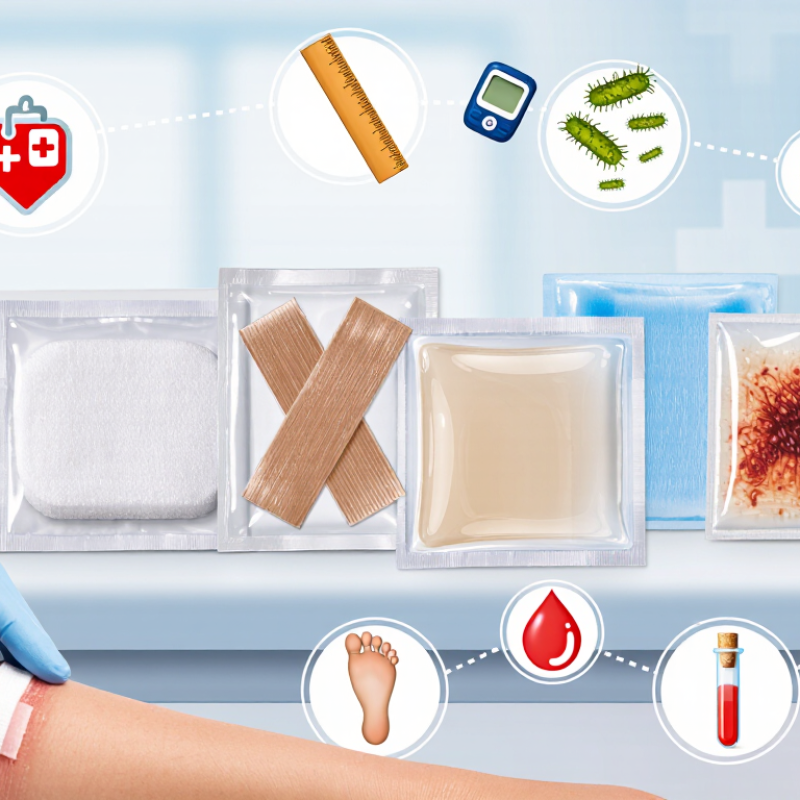
Wound dressings commonly available in China include gauze, non-woven pads, transparent films, foam dressings, hydrocolloids, alginates, and hydrogels. Gauze suits simple wounds with light drainage, but it may stick when dry. Foam dressings absorb moderate fluid and cushion areas exposed to friction. Hydrocolloids support moist healing for shallow wounds with limited drainage. Alginates can help manage heavier exudate, while hydrogels add moisture to dry tissue. The right choice depends on wound depth, fluid level, tissue condition, and surrounding skin.
Healing time also changes with infection, blood circulation, nutrition, smoking, diabetes, and repeated pressure. A small wound near the heel may heal slowly because walking keeps disturbing it. Redness that spreads, increasing pain, warmth, swelling, pus, or fever needs professional assessment. Antimicrobial dressings may be considered for selected wounds, but they should not replace cleaning or medical care. Dressing changes should follow clinical instructions. More frequent changes are not always better.
Tips: Clean hands before touching the wound. Use clean water or a recommended cleanser. Do not pull off a dry dressing quickly; moisten it if advised. Check the skin around the wound for whitening, rash, or burning. A dressing that looked suitable yesterday may be wrong today. This is easy to overlook. When healing seems unusually slow, reassess the wound rather than simply adding another product.
Wound dressings support healing by creating a clean, protected environment. A suitable dressing maintains balanced moisture without leaving the wound soaked. This can support cell movement across the wound surface. It also helps protect fragile tissue from friction, dirt, and repeated contact. The right choice depends on wound depth, drainage, location, and surrounding skin. One size does not fit every wound.
In practice, highly absorbent materials may help manage heavy drainage, while gentle non-stick layers can protect new tissue. Some dressings reduce unnecessary disturbance during changes. That matters because pulling away a dry dressing can damage healing cells. Changing it too often may also irritate the skin. Still, leaving a saturated dressing in place can increase maceration and discomfort. Small details matter.
Healing time also depends on blood circulation, nutrition, diabetes control, smoking, age, and infection risk. A dressing cannot correct every underlying problem. Redness that spreads, increasing warmth, swelling, foul odor, pus, or fever needs professional assessment. Wounds that remain unchanged deserve review, even when pain seems mild. Guidance from a qualified healthcare professional improves dressing selection and follow-up. My own practical lesson is simple: a dressing that looks convenient may not suit the wound’s changing condition.
How wound dressings support the healing process
Healing time varies with wound depth, tissue damage, infection, blood supply, moisture balance, pressure, nutrition, age, and conditions such as diabetes. The ranges below are typical clinical estimates, not guarantees for an individual wound.
Appropriate dressings can support healing by maintaining a moist wound environment, managing excess exudate, protecting the wound from contamination and friction, and reducing trauma during dressing changes. Seek medical assessment for spreading redness, increasing pain, pus, fever, or a wound that is not improving.
Reference basis: NHS wound-care guidance, NHS burn-care guidance, NICE pressure-ulcer guidance, and NICE venous-leg-ulcer guidance. Healing times differ according to clinical circumstances.
Healing time depends on more than the dressing itself. Wound depth, tissue damage, blood supply, infection, and moisture balance all matter. The 2023 International Working Group on the Diabetic Foot guidelines stress regular assessment, pressure relief, vascular checks, and infection management. A clean-looking wound can still hide poor circulation.
Diabetes often slows repair. The International Diabetes Federation’s 2021 Diabetes Atlas estimated that 537 million adults lived with diabetes worldwide. High glucose can weaken immunity and damage small blood vessels. For a foot wound, daily pressure from walking may repeatedly disturb new tissue. That small detail is easy to underestimate. Adequate protein, hydration, sleep, and smoking cessation also support collagen formation and oxygen delivery.
Dressing choice should match the wound’s condition. A heavily exuding wound may need absorbent protection, while a dry wound may require moisture support. Changing a dressing too often can disturb fragile tissue. Changing it too rarely may increase maceration or bacterial burden. NICE guidance recommends documented assessment, pain monitoring, and review when healing progress is poor. In practice, wound measurements, photographs, odor, drainage, and surrounding redness provide useful evidence. Still, measurements are not perfect. Lighting changes can mislead color assessment, and home observations may miss early infection. Persistent pain, spreading redness, fever, or black tissue requires prompt clinical evaluation.
Choosing the best wound dressing starts with the wound, not the product label. Assess tissue type, exudate, depth, odor, pain, and surrounding skin. A dry wound may benefit from a hydrogel, while a heavily draining wound often needs an alginate or foam dressing. Shallow wounds with low to moderate exudate may suit a hydrocolloid. Transparent film can protect clean, superficial wounds, but it is unsuitable for heavily exuding tissue. Small details matter. A dressing that sticks to granulation tissue can delay healing during removal.
Healing time also depends on blood supply, infection, diabetes, nutrition, pressure, and dressing changes. NICE guideline NG125 reports that surgical-site infections affect about one in 20 surgical patients in England. This makes clean technique and early assessment essential. The International Wound Infection Institute recommends reviewing local and systemic signs, rather than relying on odor alone. Increasing pain, spreading redness, warmth, fever, or cloudy drainage needs professional evaluation.
No dressing works universally. A moist environment supports repair, but excessive moisture can soften the wound edges and damage nearby skin. In practice, I would reassess the wound after each change, especially when drainage shifts. This part is easy to miss. A neat dressing can still hide deterioration. Evidence comparing dressing types remains limited for several wound categories, so selection should combine clinical judgment, patient comfort, cost, and documented response.
A dressing protects the wound, but it does not control healing alone. Wound depth, blood flow, infection, pressure, nutrition, and diabetes all matter. In practice, a small cut may remain open when shoes repeatedly rub the same area. Moisture also matters. Excess fluid can soften surrounding skin, while a dry wound may develop a hard crust.
The International Working Group on the Diabetic Foot reported in 2023 that diabetic foot ulcers affect an estimated 19% to 34% of people with diabetes during their lifetime. Recurrence may reach 40% within one year and 65% within five years. These figures show why professional assessment matters, especially for people with diabetes, poor circulation, reduced sensation, or immune problems. Dressing choice should follow wound assessment, not replace it.
Seek qualified medical care when redness spreads, pain increases, pus appears, or the wound smells unusual. Fever, black tissue, exposed bone, uncontrolled bleeding, or a deep puncture needs urgent attention. NICE guidance also supports early assessment for diabetic foot problems. Do not wait for a dressing to “fix” a worsening wound. Sometimes, even careful home care is not enough. Healing timelines are estimates, not promises. A wound that looks cleaner may still be infected beneath the surface.
Common options include gauze, non-woven pads, transparent films, foams, hydrocolloids, alginates, and hydrogels. Each suits different moisture levels and wound conditions.
Gauze may suit a simple wound with light drainage. It can stick when dry, so removal may require gentle moistening.
A hydrogel can add moisture to dry tissue. Avoid creating excessive moisture around the wound edges.
Alginate or foam dressings may manage heavier fluid. Check the surrounding skin for whitening, softness, or irritation.
No. It may protect a clean, shallow wound. It is usually unsuitable for heavily draining tissue.
Assess depth, tissue condition, drainage, odor, pain, and nearby skin. The product label alone is not enough.
Seek care when redness spreads, pain increases, or pus appears. Fever, black tissue, exposed bone, or uncontrolled bleeding needs urgent attention.
Infection, diabetes, poor circulation, smoking, pressure, and poor nutrition can delay healing. A heel wound may reopen from repeated walking.
Follow clinical instructions rather than changing it constantly. More frequent changes are not always better.
Wash your hands and clean the wound as advised. Check for burning, rash, excessive moisture, odor, or worsening pain. A neat dressing can still hide deterioration.
Choosing the best wound dressing in China depends on the wound’s depth, moisture level, amount of drainage, location, and risk of infection. Common options include gauze, foam, hydrocolloid, alginate, hydrogel, and transparent film dressings. These materials can protect the wound from contamination, maintain a balanced moisture environment, absorb excess fluid, reduce friction, and support the formation of healthy tissue. The right dressing should match the wound condition rather than follow a one-size-fits-all approach.
Several issues explain what factors affect wound healing time, including blood circulation, nutrition, age, overall health, blood sugar control, infection, repeated pressure, and the wound’s size and depth. Minor, clean wounds may heal with basic protection, while heavily draining, infected, deep, or chronic wounds may require specialized care and regular assessment. Professional wound care is necessary when redness, swelling, increasing pain, unusual odor, fever, tissue discoloration, or delayed healing occurs. Proper cleaning, dressing changes, and medical guidance can help promote safer and more efficient recovery.

Renovera Medical