In emergency situations, effective bleeding management can be the difference between life and death. Knowing how to manage bleeding effectively in emergencies is crucial for first responders and bystanders. Blood loss can lead to shock, organ failure, or even death in minutes if not addressed.
Proper techniques for controlling bleeding are vital. Applying pressure, using clean cloths, or tourniquets can all help stabilize a patient. However, many people are unsure how to act quickly in high-stress scenarios. Sometimes, the fear of causing more harm holds them back from taking decisive actions. Each second counts when dealing with severe wounds.
Training and experience greatly enhance one’s ability to handle these urgent situations. Many individuals lack formal training but may find themselves in a crisis. Having basic knowledge can empower anyone to provide vital assistance. It’s essential to approach each emergency with a balance of confidence and humility, knowing that even small actions can significantly impact outcomes.
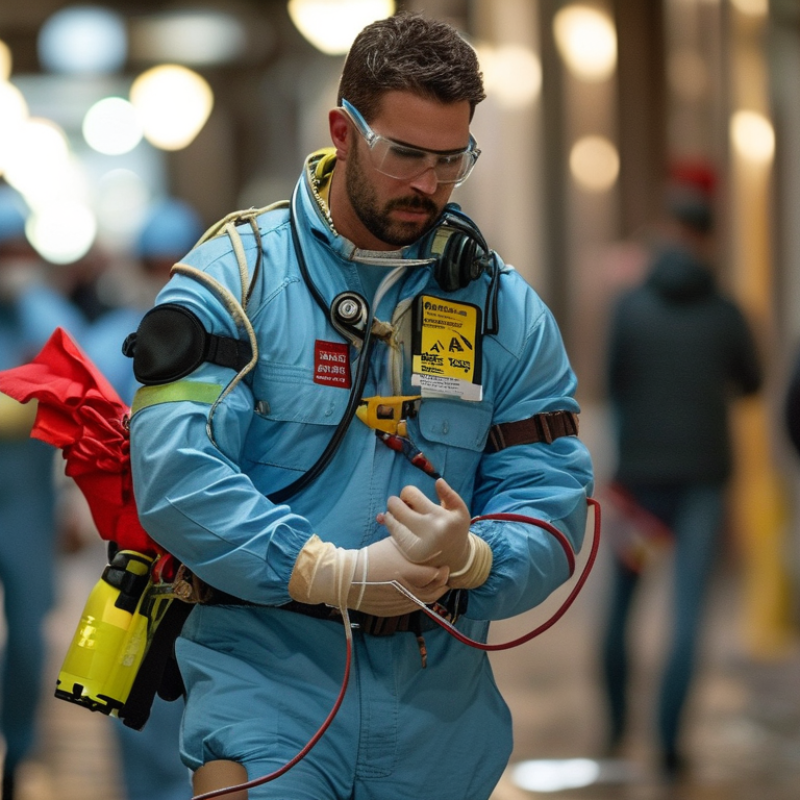
In emergencies, effective bleeding management can save lives. Data from the World Health Organization indicates that uncontrolled bleeding accounts for up to 40% of trauma-related deaths. This stark statistic highlights the need for rapid response and proper techniques in managing severe bleeding.
The ability to control hemorrhage can significantly alter patient outcomes. Research shows that early intervention, such as applying direct pressure or using tourniquets, can reduce mortality rates. Yet, many first responders are not adequately trained in these methods. This gap in knowledge creates a critical area for improvement within emergency medical services.
Moreover, personal experiences from emergency medical technicians (EMTs) suggest that hesitation often stems from a lack of confidence. Many feel unprepared when faced with traumatic injuries. Regular training sessions and practical simulations can enhance skill levels, bridging the knowledge gap. Emergency scenarios are unpredictable, and preparedness can make a considerable difference in a crisis.
Bleeding can be classified into several types: arterial, venous, and capillary. Understanding these distinctions is vital for effective management in emergencies. Arterial bleeding is often severe and can cause rapid blood loss. It is characterized by bright red, spurting blood. Immediate action is necessary to control this type of bleeding.
Venous bleeding, on the other hand, involves darker, steady-flowing blood. While it may not cause immediate life-threatening situations, untreated venous bleeding can lead to significant blood loss. Capillary bleeding is usually minor and often stops on its own. However, even small wounds can become infected, leading to complications.
Recognizing the severity of each bleeding type helps prioritize treatment. Not all cases require the same level of intervention. Sometimes, simple measures like applying pressure can be effective. However, there are instances where bleeding can escalate despite initial control measures. In these situations, seeking immediate medical help is crucial. Awareness and preparedness can make all the difference in these critical moments.
In an emergency, controlling severe bleeding is vital. Rapid action can mean the difference between life and death. According to the National Trauma Institute, uncontrolled bleeding accounts for 35% of trauma-related deaths. Immediate care is essential to prevent this statistic from rising.
To control severe bleeding effectively, apply direct pressure to the wound using a clean cloth or bandage. If blood soaks through, do not remove it. Instead, add more layers to maintain pressure. Elevating the injury above the heart can also help reduce blood flow. For severe cases, a tourniquet may be necessary, but it requires proper training to avoid complications.
Remember, these methods require practice and understanding. A recent report by the American College of Surgeons highlighted that over 50% of bystanders hesitate to act due to a lack of confidence. This gap in knowledge can be life-threatening. Regular training sessions and educational programs can empower individuals to respond effectively.
In emergency situations, controlling bleeding can be a matter of life and death. Advanced techniques in bleeding control are vital for first responders and medical professionals. These methods include direct pressure, elevation, and the use of tourniquets. Each technique can significantly reduce blood loss, but they require careful application and training to ensure effectiveness.
Direct pressure is often the first step. Applying firm pressure to the wound can stop bleeding quickly. However, not all wounds respond immediately. Sometimes, additional measures may be needed. Elevation can help, but it's crucial to assess the situation. If the wound is on a limb that cannot be elevated without further injury, other methods must be employed.
Tourniquets are an essential tool in severe cases. They can completely occlude blood flow to a limb. However, improper application can lead to complications. Awareness of the risks involved is important. Training in these advanced techniques is not just beneficial, it is necessary. Practicing these methods regularly can prepare individuals for high-pressure scenarios where every second counts.
In emergency situations, effective bleeding management can save lives. Training plays a vital role in ensuring that individuals are prepared for these high-pressure scenarios. Understanding the basics of hemorrhage control is essential. People often underestimate the importance of quick response. Simple skills can make a significant difference in outcomes.
Hands-on practice is key. Role-playing scenarios during training enhances preparedness. Participants should become familiar with techniques like direct pressure and tourniquet application. However, many training programs lack frequent updates. This can lead to outdated methods being taught. Regular refreshers are necessary to maintain skills.
The unpredictability of emergencies requires adaptability. Trainees must learn to assess each situation uniquely. Not every method will work the same way in all cases. Reflecting on past experiences can help in honing these skills. It is crucial to foster a culture of continuous learning. By doing so, individuals can respond more effectively, ultimately enhancing community safety in times of crisis.
: There are three types: arterial, venous, and capillary. Each type requires different management.
Arterial bleeding has bright red, spurting blood. This type can lead to rapid blood loss.
Venous bleeding flows steadily and is darker in color. It can still be dangerous if untreated.
Capillary bleeding is usually minor. It often stops on its own, but infections can happen.
Training prepares individuals for emergencies. Quick responses can change outcomes dramatically.
Techniques like direct pressure and tourniquet application are important. Hands-on practice is essential.
Many programs do not regularly update their methods. That can lead to harmful outdated practices.
Reflecting on past experiences helps. Adapting to each situation is crucial for effective responses.
Seek immediate medical help if bleeding escalates. Early action can be life-saving.
Not all methods work for every situation. Assessing the severity is key to applying the right response.
Effective bleeding management is critical in emergencies as it can mean the difference between life and death. Understanding the types of bleeding, their severity, and associated risks allows responders to quickly assess the situation. Immediate actions such as applying direct pressure, elevating the injured area, and using tourniquets are essential first steps in controlling severe bleeding.
For those looking to understand how to manage bleeding effectively in emergencies, familiarity with advanced techniques, tools, and procedures is imperative. Training and preparedness play a vital role in equipping individuals to respond efficiently in chaotic situations. By ensuring that everyone is knowledgeable and practiced in bleeding management techniques, we can enhance survival rates and outcomes during emergencies.

Renovera Medical