Top 10 Factors Affecting Wound Healing Time Explained

Time:2026-06-07 Author:Madeline
0%

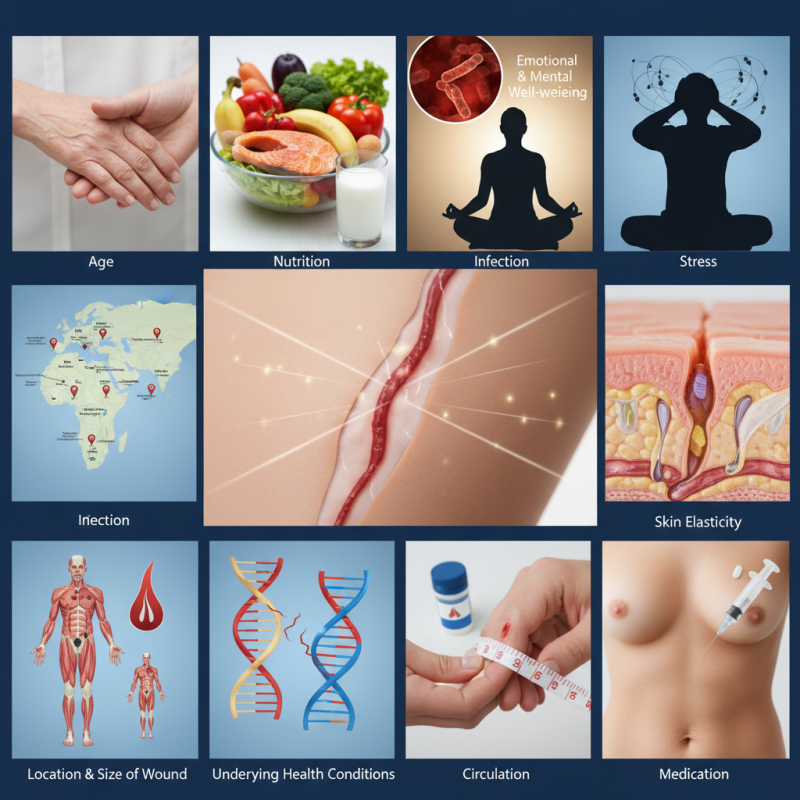
Wound healing is a complex process influenced by numerous factors. Understanding what factors affect wound healing time can greatly enhance recovery. From age and nutrition to underlying health conditions, each element plays a crucial role. For instance, older individuals typically heal more slowly due to reduced skin elasticity and circulation.

Nutrition significantly impacts healing. A well-balanced diet rich in vitamins and proteins promotes tissue repair. Conversely, malnutrition can delay recovery, leading to longer healing times. Other factors include the location and size of the wound, which can determine how quickly it closes.

Infections pose another risk. They not only prolong healing but also complicate recovery. Emotional and mental well-being can also influence the body’s healing capabilities. Stress can hinder recovery processes. Understanding these factors, though seemingly overwhelming, can provide insights into optimizing wound care and improving outcomes.
Top 10 Factors Affecting Wound Healing Time Explained

Factors Influencing Blood Circulation in Wound Healing

Blood circulation plays a vital role in wound healing. According to the Journal of Vascular Surgery, effective circulation delivers essential nutrients and oxygen to the injury site. This process stimulates cell regeneration and promotes tissue repair. When circulation is compromised, healing can be delayed significantly. Research indicates that wounds in areas with poor blood flow can take up to 40% longer to heal.

Several factors can influence circulation in the context of wound healing. For instance, conditions like diabetes can impair blood flow, exacerbating healing times. A report by the American Diabetes Association notes that diabetic patients are 15-20 times more likely to face chronic wounds. Additionally, lifestyle factors such as smoking can constrict blood vessels, further slowing circulation. These issues highlight the need for addressing underlying conditions to improve healing outcomes.

Moreover, hydration must not be overlooked. Adequate hydration supports blood volume and flow. The National Institutes of Health suggests that even mild dehydration can reduce circulation efficiency. Individuals should be mindful of their water intake, especially during the healing process. Inadequate circulation leads to a cascade of problems, reflecting the intricate relationship between circulatory health and wound healing efficiency.

Importance of Infection Control in Accelerating Healing Processes

Infection control plays a crucial role in wound healing processes. Studies indicate that infections can delay healing time by up to 50%. This statistic underscores the importance of maintaining a sterile environment around wounds. Poor infection control can lead to complications, thus prolonging recovery. With proper measures, such as antimicrobial dressings, the risk of infection decreases significantly.

Effective practices must include regular cleaning and monitoring of wounds. A report from the World Health Organization emphasizes that 80% of wound infections can be prevented with straightforward hygiene measures. Healthcare professionals must remain vigilant. Every step taken towards infection prevention reduces the chances of prolonged recovery times.

However, challenges still exist. Some patients may not follow aftercare instructions, unintentionally hindering their healing. This highlights the need for better education on infection risks. Consistent communication between healthcare providers and patients is vital to ensure adherence to infection control practices. Infections not only extend the duration of healing but can lead to further complications if not managed appropriately.

Top 10 Factors Affecting Wound Healing Time

The chart above illustrates the top 10 factors influencing wound healing time, with corresponding impact levels. Infection control ranks as the most significant factor, emphasizing its critical role in accelerating healing processes.

The Role of Nutrition and Diet in Wound Recovery

Nutrition plays a vital role in wound healing. A balanced diet aids recovery. Key nutrients such as protein, vitamins, and minerals are essential. Proteins support tissue repair. They assist in making new cells. Vitamins like C and E boost the immune system. They also promote collagen synthesis, critical for wound healing.

Hydration is another factor. Water helps transport nutrients to the wound site. It also flushes out toxins. Aim for adequate fluid intake. Staying hydrated impacts recovery times significantly.

Tips: Focus on colorful fruits and vegetables. They are rich in antioxidants. Incorporate lean proteins like chicken or fish for tissue repair. Remember, everyone's body responds differently. Reflect on your personal habits. Make adjustments if necessary. Pay attention to your body’s signals during recovery.

Top 10 Factors Affecting Wound Healing Time Explained - The Role of Nutrition and Diet in Wound Recovery

Factor Description Impact on Healing Time
Nutrition Adequate intake of proteins, vitamins, and minerals. Essential for tissue repair; deficiencies can delay healing.
Hydration Maintaining proper fluid balance in the body. Dehydration can impair healing and increase the risk of infection.
Age The age of the patient can influence recovery speed. Older adults may experience slower healing times.
Chronic Diseases Conditions like diabetes and cardiovascular issues. Can significantly prolong healing due to poor circulation.
Smoking Cigarette use affects blood flow and oxygen delivery. Tobacco use can double healing time due to impaired vascular function.
Infection Presence of harmful bacteria in the wound. Infections can halt the healing process and worsen the injury.
Stress Mental and emotional stress can impact physical health. Increased stress can slow down the healing response.
Wound Size and Depth Larger and deeper wounds require more time to heal. Healing time increases with size and complexity of the wound.
Medication Certain medications can hinder the healing process. Antibiotics or steroids can have various impacts on healing.
Surgical Techniques Quality of surgical intervention affects recovery. Better techniques can lead to faster healing times.

Impact of Age on Healing Rates and Tissue Regeneration

As we age, our bodies experience a natural decline in tissue regeneration. This decline significantly impacts wound healing rates. For older adults, healing can take much longer compared to younger individuals. Factors such as thinner skin and reduced blood flow contribute to this delay. Skin loses elasticity and moisture, making it less effective in repairing itself.


Moreover, the immune system becomes less efficient with age. An elderly person may struggle to fight off infections after a wound. This response can complicate the healing process. Nutrition plays a critical role here. Older adults often have dietary restrictions, affecting their intake of essential nutrients. These nutrients are vital for efficient healing.


It's essential to note that age-related changes vary among individuals. Some older adults heal quite well while others do not. Regular check-ups can help monitor healing progress. Even small lifestyle changes can make a difference. Staying active, staying hydrated, and eating a balanced diet can enhance healing. Each person's experience with wound healing is unique. Understanding these differences can lead to better wound care strategies.

Effects of Chronic Illnesses on Wound Healing Time

Chronic illnesses can significantly hinder wound healing. Conditions like diabetes and autoimmune disorders disrupt normal physiological processes. In diabetes, high blood sugar levels impede cell function. This affects how wounds heal. Blood circulation may also be restricted. An injury can become sluggish in healing or even worsen over time.

Autoimmune diseases present additional challenges. The immune system can attack healthy tissue. This may lead to prolonged inflammation. Wounds often fail to close or become chronic. The body's attempts to restore balance complicate healing. Even small cuts can lead to serious issues for those with these conditions.

Furthermore, nutritional deficiencies often accompany chronic illnesses. A lack of essential vitamins and minerals slows down healing. Stress is another factor that many overlook. Chronic illness can lead to heightened stress levels. This stress further impairs the body’s ability to recover. The interaction of these elements paints a complex picture of wound healing in those with chronic conditions.

FAQS

: Why is infection control important in wound healing?

: Infection control is crucial as it can reduce healing time by up to 50%.

What can help reduce the risk of wound infections?

Antimicrobial dressings and regular wound cleaning significantly lower infection risks.

How many wound infections can be prevented with good hygiene?

Studies show that 80% of infections can be prevented with simple hygiene practices.

Why can older adults experience slower healing times?

Aging leads to thinner skin, less blood flow, and a less efficient immune system.

How do chronic illnesses affect wound healing?

Conditions like diabetes and autoimmune disorders disrupt healing and can worsen injuries.

What role does nutrition play in wound healing for older adults?

Older adults may have dietary restrictions, which can limit essential nutrients needed for healing.

Can patients’ actions impact their healing process?

Yes, not following aftercare can delay healing and lead to complications.

What lifestyle changes can enhance healing?

Staying active, hydrated, and eating a balanced diet can improve wound healing.

Why is consistent communication important in healthcare?

Effective communication ensures patients adhere to infection control practices, aiding recovery.

How do stress levels influence wound healing?

Chronic illness-related stress can impair the body’s healing ability significantly.

Conclusion

Wound healing time is influenced by various factors, making it essential to understand what factors affect wound healing time. Key elements include blood circulation, which is crucial for delivering oxygen and nutrients to the wound site, thereby promoting healing. Infection control plays a vital role as well; any infection can delay the healing process significantly. Nutrition and diet also contribute to wound recovery, as adequate intake of vitamins and minerals supports tissue repair.

Additionally, age is a significant determinant of healing rates; younger individuals typically heal faster due to more efficient cellular regeneration. Chronic illnesses, such as diabetes, can further complicate and prolong the healing process, emphasizing the need for targeted management of underlying health conditions. Understanding these factors can aid in optimizing treatment strategies for quicker recovery.

Madeline

Madeline

Madeline is a dedicated marketing professional with a wealth of expertise in our company's core offerings. With a keen understanding of the industry, she brings a unique perspective to her role, consistently delivering high-quality content that highlights the superior aspects of our products. As......