How to Handle Skin Injuries During Sports Activities Safely?

Time:2026-05-31 Author:Liam
0%

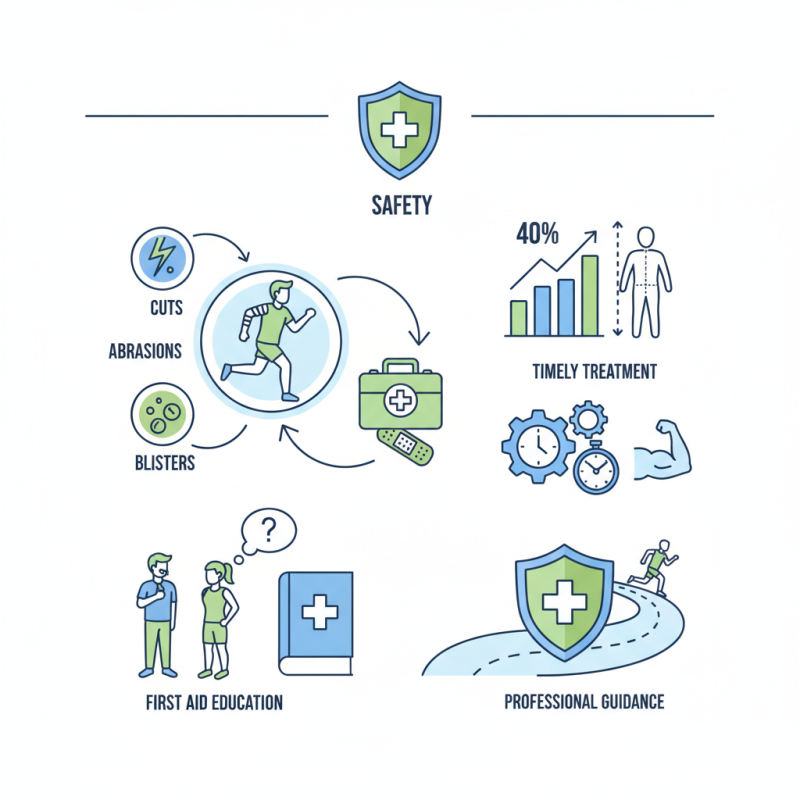
Sports injuries are common, with skin injuries being a frequent occurrence among athletes. According to a report by the National Athletic Trainers' Association, up to 40% of all sports-related injuries involve the skin. Knowing how to handle skin injuries during sports activities is crucial for ensuring athletes’ safety and performance.

Athletes often face cuts, abrasions, and blisters while participating in their sports. Though these injuries may seem minor, untreated wounds can lead to infections or more severe complications. A study from the American College of Sports Medicine highlights that timely and appropriate treatment can significantly reduce recovery time and enhance overall health.

Understanding the proper techniques for addressing skin injuries is essential. First aid education is vital for coaches and athletes alike. It allows them to respond effectively during a game or practice. A lack of knowledge can lead to mismanagement of injuries, prolonging recovery. Ultimately, athletes must recognize the importance of proactive care and seek professional guidance wherever necessary.
How to Handle Skin Injuries During Sports Activities Safely?

Understanding Common Skin Injuries in Sports: Types and Causes

Skin injuries during sports activities are common and can lead to serious issues if not addressed properly. Understanding these injuries helps prevent them. Common types include abrasions, lacerations, and blisters. Abrasions occur from friction against rough surfaces, often seen in sports like basketball or soccer. Lacerations may happen from falls or sharp objects, while blisters result from repeated friction on the skin.

When faced with an injury, proper first aid is crucial. Clean the area gently with soap and water. This reduces the risk of infections. Apply a sterile bandage to protect the injured skin. Ensure that the bandage is not too tight, which can hinder circulation. For any lacerations that are deep, seeking professional help becomes vital.

Pay attention to your body. Recognizing pain or discomfort early can prevent worse injuries. If you notice redness or swelling around an abrasion, it could be infected. In those cases, it's essential to consult a healthcare professional. Practice good hygiene and change bandages regularly to keep the area clean. Being proactive about skin care can help you stay in the game longer and avoid complications.

Immediate First Aid Responses for Skin Injuries: A Step-by-Step Approach

Skin injuries can happen in a flash. A scrape, cut, or bruise is common during sports. Knowing how to respond quickly is vital. First, stop the activity. This prevents further damage. Check the injury thoroughly. Assess the severity before proceeding with any treatment.

For minor wounds, clean the area gently with water. Avoid using alcohol or hydrogen peroxide, as these can irritate the skin. Apply a sterile bandage after drying the wound. For deeper cuts, control any bleeding first. Apply pressure using a clean cloth. Seeking medical attention is critical if bleeding does not stop within 10 minutes.

Significantly, not all injuries are visible. Some may feel fine initially but worsen later. You should always monitor the injured area closely. If pain increases or signs of infection appear, consult a healthcare professional. Reflect on your response; there’s always room to improve your first aid knowledge and skills for better preparedness in future incidents.

Effective Treatment Options for Sports-Related Skin Injuries

Sports-related skin injuries can occur frequently during physical activities. According to a report from the American Journal of Sports Medicine, around 25% of athletes experience skin injuries at some point. Common injuries include abrasions, lacerations, and contusions. Effective treatment options can significantly impact healing and recovery.

For minor abrasions, proper cleaning is crucial. Use saline solution or clean water to rinse the area. This helps prevent infection and promotes healing. Applying a sterile bandage can protect the wound while still allowing it to breathe. Research indicates that maintaining a moist environment can speed up healing by up to 50%.

In more severe cases, lacerations may require medical evaluation. Stitches might be necessary to close deep cuts. It's essential to watch for signs of infection, such as increased redness or swelling. Proper education on injury management is vital. Many athletes overlook basic first aid steps, leading to complications. Recognizing the importance of immediate care can make a substantial difference in long-term recovery.

Preventive Measures to Reduce Skin Injury Risks in Athletes

Skin injuries are common in sports. To prevent them, athletes should take proactive measures. Training with proper technique is essential. Athletes often rush into activities without warming up. This can lead to scrapes and bruises. A proper warm-up increases blood flow and prepares the skin for impact.

Wearing appropriate protective gear is vital. Elbow pads, knee braces, and helmets can greatly reduce the risk of injury. However, not all athletes choose to wear them. Some may feel they limit their movement. This mindset can lead to avoidable injuries. Taking a few moments to put on gear can save weeks of recovery.

Maintaining skin health is equally crucial. Hydration keeps the skin elastic and less prone to damage. However, many forget to drink water throughout their activities. Keeping skin clean and well-moisturized can prevent rashes. Athletes often ignore aftercare, leading to more significant issues. Regular check-ups with a healthcare professional can catch potential problems early.

How to Handle Skin Injuries During Sports Activities Safely? - Preventive Measures to Reduce Skin Injury Risks in Athletes

Preventive Measures Description Effectiveness (%)
Use Proper Protective Gear Wearing appropriate pads, helmets, and other protective equipment to minimize skin contact. 85
Regular Skin Checks Frequent examination of the skin for any injuries or abrasions. 75
Maintain Hydration Adequate fluid intake to keep skin elasticity and reduce dryness. 70
Use Moisturizers Applying creams or lotions to prevent skin dryness and cracking. 80
Proper Warming Up Preparing the body physically to lessen the risk of injuries. 90

The Role of Dermatologists in Managing Sports-Related Skin Conditions

Sports can lead to various skin injuries, such as abrasions, blisters, and infections. These injuries may not seem severe but can significantly affect an athlete's performance. Dermatologists play a critical role in addressing these skin conditions, ensuring athletes can continue to compete without further complications.

According to the American Academy of Dermatology, skin issues account for about 20% of injuries in athletes. Proper management is vital. Dermatologists provide personalized treatment plans that may include topical medications, dressings, or advanced therapies. They also offer advice on preventive measures, like using protective gear and maintaining skin hygiene.

Injuries often lead to complications if ignored. For example, improper care of minor abrasions could lead to infections, which may require more intensive treatment. Awareness of when to consult a dermatologist can mitigate long-term effects. Athletes must prioritize their skin health just as they do with their physical training. Understanding this connection can enhance overall performance and wellbeing in sports activities.

Skin Injuries in Sports Activities

This chart illustrates the prevalence of various skin injuries encountered by athletes. Cuts and scrapes are the most common, while burns and rashes are less frequent but still significant. Understanding these statistics helps dermatologists to effectively manage and prevent sports-related skin conditions.

FAQS

: Why are skin injuries common in sports?

: Athletes often rush into activities and skip warm-ups, leading to scrapes and bruises.

What can athletes do to prevent skin injuries?

Proper training techniques and warming up can prepare the skin for impact.

Is protective gear important for athletes?

Yes, gear like elbow pads and helmets reduces injury risks, but some avoid them.

Why do some athletes skip protective gear?

They may believe it limits their movement, risking avoidable injuries in the long run.

How does hydration affect skin health?

Staying hydrated keeps skin elastic and minimizes the risk of damage during activities.

What aftercare should athletes typically perform?

Athletes should keep skin clean and moisturized and not ignore their aftercare routines.

How can dermatologists help athletes?

Dermatologists provide personalized treatment plans and advice on skin hygiene and protection.

What happens if minor abrasions are ignored?

They can lead to infections and require more intensive treatment later on.

What is the connection between skin health and athletic performance?

Prioritizing skin health enhances overall performance, just like physical training does.

Why should athletes have regular check-ups with dermatologists?

Regular check-ups can catch potential skin problems early, preventing complications later on.

Conclusion

When it comes to understanding how to handle skin injuries during sports activities, it is crucial to identify common types of injuries and their causes. Skin injuries such as abrasions, lacerations, and blisters can occur due to friction, impact, or environmental factors. Immediate first aid responses should be carried out in a step-by-step manner, including cleaning the wound, controlling bleeding, and applying appropriate dressings.

Effective treatment options are essential for recovery, which may involve topical medications, maintaining hygiene, and allowing adequate healing time. Additionally, preventive measures, such as wearing appropriate gear and maintaining skin health, can significantly reduce the risk of injuries among athletes. Consulting with dermatologists specialized in sports-related skin conditions can further aid in managing and preventing these injuries, ensuring athletes remain healthy and active on the field.

Liam

Liam

Liam is a dedicated marketing professional with a profound expertise in the industry, where he excels at highlighting the unique advantages of our core products. With a keen understanding of market trends and consumer needs, Liam frequently updates our company’s professional blog, providing......