Sports can leave more than sore muscles. A slide on artificial turf may scrape the knee, while a sharp boot can split the skin near the ankle. Knowing how to handle skin injuries during sports activities helps athletes respond calmly and reduce infection risks. Small wounds still deserve careful attention.
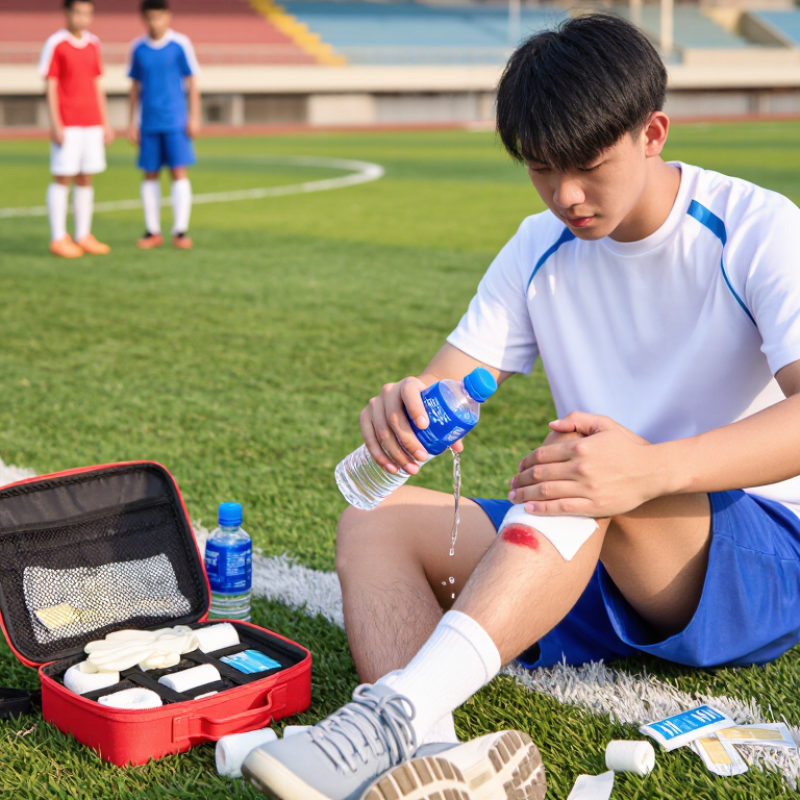
Start by moving away from play and washing your hands, if possible. Apply gentle pressure with clean gauze to slow bleeding. Rinse dirt from a shallow abrasion with clean running water. Avoid rubbing grit deeper into the skin. A sterile, non-stick dressing can protect the area from sweat and repeated contact.
The decision to return should depend on the wound, not the score. Deep cuts, persistent bleeding, exposed tissue, numbness, severe swelling, or suspected infection need prompt medical assessment. Seek professional care when the injury crosses a joint or limits movement. Tetanus protection may also require review, depending on the wound and vaccination history.
A practical kit should include gloves, sterile gauze, saline, adhesive strips, and spare dressings. Do not share used supplies. Coaches and athletes should record what happened, including the surface, time, and visible contamination. That detail can help a clinician assess risk.
Some advice sounds simple but fails in real conditions. Sweat loosens dressings, and rushed cleaning leaves debris behind. Recheck the wound later that day. Healing is not always linear. Pain, warmth, spreading redness, pus, or fever should never be ignored. Safe recovery sometimes means missing the next match.
Recognizing Common Skin Injuries in Sports
How to Handle Skin Injuries During Sports in 2026?
Recognizing Common Skin Injuries in Sports
Skin injuries often reveal how contact or friction occurred. An abrasion, commonly called a scrape, removes the surface layer of skin. It may look red, wet, and gritty, especially after sliding across artificial turf. Small spots of blood are common. The area usually stings sharply when sweat touches it. Blisters appear as raised pockets filled with clear fluid. They often develop on heels, palms, or toes after repeated rubbing. A dark or bloody blister needs closer attention.
Cuts and lacerations have sharper edges and may separate when the athlete moves. Bleeding that continues after firm pressure is concerning. Deep wounds can expose yellowish tissue, damage tendons, or cause numbness. Bruises may begin red or purple, then turn blue, green, or yellow. Increasing swelling or severe pain deserves medical assessment. A spreading, itchy, ring-shaped rash may suggest a contagious skin infection, not simple irritation. It should not be covered with shared equipment or towels.
I once dismissed a muddy scrape as harmless until its redness expanded the next day. That mistake changed my approach. Clean-looking skin can still hide debris or early infection. Seek prompt professional care for gaping wounds, embedded objects, uncontrolled bleeding, fever, pus, or red streaks. Injuries near the eyes, joints, hands, or genitals also need careful evaluation. Don’t guess with deep wounds.
How to Handle Skin Injuries During Sports in 2026?
Recognizing common skin injuries in sports and understanding the typical recovery time for uncomplicated cases.
Abrasions, blisters, bruises, minor cuts, and friction rashes are frequent sports-related skin injuries.
Clean the area, protect it from further rubbing or impact, and avoid returning to play if bleeding, swelling, pain, or infection signs worsen.
Seek medical care for deep wounds, uncontrolled bleeding, spreading redness, pus, fever, or suspected concussion or fracture.
Data shown are representative midpoints of commonly reported uncomplicated healing ranges: abrasions 3–10 days, blisters 5–10 days, bruises 7–21 days, minor cuts 7–14 days, and friction rashes 3–10 days.
Assessing the Injury and Identifying Warning Signs
During sport, stop play before assessing any skin injury. Look before you touch. Check bleeding, wound depth, swelling, and the athlete’s ability to move. A shallow scrape usually affects the surface, while a deep or gaping cut may damage deeper tissue. Pain can hide important signs, especially when adrenaline is high.
Use clean gloves if available. Rinse dirt from a minor abrasion with clean running water. Apply steady pressure with clean material if bleeding continues. Do not scrub deeply or remove embedded objects. Warning signs include bleeding that will not stop, visible fat or muscle, exposed bone, numbness, severe pain, or loss of movement. A pale, cold, or unusually weak limb needs urgent medical attention. After a head impact, confusion, repeated vomiting, worsening headache, or unusual sleepiness requires immediate evaluation.
A trained healthcare professional should assess deep wounds, bites, punctures, and injuries near the eyes, hands, or joints. Do not return to play while bleeding, dizzy, or unable to move normally. Monitor the wound over the next few days for increasing redness, warmth, swelling, pus, fever, or red streaks. These symptoms can indicate infection. In real sideline situations, people often underestimate small wounds because the athlete wants to continue. That judgment can be wrong. When uncertainty remains, arrange prompt medical care rather than relying on appearance alone.
Returning to Play Safely and Preventing Infection
How to Handle Skin Injuries During Sports in 2026?
A scraped knee can look minor until dirt gets under the skin. Rinse the area with clean running water, remove visible grit gently, and apply steady pressure if it is bleeding. Cover it with a clean dressing that stays in place during movement. Deep, gaping, or heavily contaminated wounds need prompt medical assessment. So do wounds with numbness or trouble moving the injured area.
Tips: Change a wet or dirty dressing. Watch for spreading redness, warmth, swelling, increasing pain, pus, or fever; seek medical advice if these appear. Check that your tetanus vaccination is up to date with a health professional. Small details matter.
Return to play only when bleeding has stopped, the wound is protected, and movement feels comfortable. A dressing should not slip, restrict motion, or create a hazard for teammates. For contact sports, follow the sport’s wound-covering rules and ask a clinician when the injury is significant. I have seen athletes underestimate a cut because the game is close; that pressure can cloud judgment. Sitting out briefly is frustrating, but reopening a wound can prolong recovery.
How to Handle Skin Injuries During Sports in 2026? — Returning to Play Safely and Preventing Infection
| Injury |
Immediate Care |
Infection Prevention |
Return-to-Play Considerations |
When to Seek Medical Care |
| Abrasions and turf burns |
Stop play if needed. Rinse thoroughly with clean running water and gently remove visible dirt. Apply gentle pressure if bleeding, then cover with a clean dressing. |
Clean the wound and change the dressing if it becomes wet or dirty. Avoid sharing towels or equipment that contacts the wound. |
Consider returning only when bleeding has stopped, pain allows normal movement, and the wound can stay securely covered during activity. |
Get medical advice if debris remains embedded, the wound is extensive, or redness, warmth, swelling, worsening pain, or pus develops. |
| Cuts and lacerations |
Apply steady direct pressure with clean gauze or cloth. Once bleeding is controlled, rinse the wound with clean water and cover it. |
Keep the wound clean and covered. Do not return to play with active bleeding or a dressing that cannot stay in place. |
Return only when bleeding is controlled and the wound is protected against reopening or contact. Follow a clinician’s instructions if the cut has been closed. |
Seek urgent care for bleeding that will not stop, a deep or gaping cut, exposed deeper tissue, loss of sensation, or a wound on the face or over a joint. |
| Blisters |
Reduce friction and pressure. Keep an intact blister covered; if it opens, gently clean the area and cover it with a clean dressing. |
Do not peel away the skin covering an intact blister. Keep the area clean and avoid sharing footwear or personal items. |
Play only if discomfort does not alter movement and the blister can be protected without the dressing shifting or causing additional friction. |
Seek care for increasing redness, warmth, swelling, pus, severe pain, or a blister that may be infected. People with diabetes or reduced circulation should seek advice early. |
| Puncture wounds |
Rinse with clean running water and cover loosely with a clean dressing. Do not dig for an object lodged in the wound. |
Keep the wound clean and covered. Check tetanus vaccination status; puncture wounds may require assessment of tetanus protection. |
Do not return while the wound is bleeding, painful with movement, or exposed to dirt and contact. A clinician can advise when deeper punctures are safe. |
Get prompt medical assessment for a deep puncture, an embedded object, a wound through footwear, or increasing pain, redness, swelling, or drainage. |
| Possible skin infection |
Stop contact activity and keep the affected area clean and covered. Do not share towels, clothing, or equipment that touches the area. |
Wash hands before and after wound care. Clean shared equipment and follow team and facility hygiene procedures. |
Do not participate in contact sports with a draining or uncovered lesion. Return only when assessed and permitted under applicable medical and sport-specific rules. |
Seek medical advice for spreading redness, increasing warmth or pain, pus, fever, or red streaks. Rapid worsening or feeling seriously unwell requires urgent care. |
General safety note: Wash hands before wound care, use clean dressings, and avoid returning to play if bleeding cannot be controlled or a wound cannot be securely covered. Tetanus vaccination needs depend on the wound and immunization history; ask a healthcare professional if unsure. This table is general first-aid information, not a substitute for medical assessment or sport-specific rules.
Reducing the Risk of Future Sports-Related Skin Injuries
Reducing the Risk of Future Sports-Related Skin Injuries
Prevention starts before the first whistle. The CDC reports that about 30 million children and adolescents participate in organized sports in the United States, creating many opportunities for skin-to-skin contact and shared equipment. Cover cuts with clean, secure dressings, and wash hands after practice. Shower promptly; do not share towels, razors, or clothing. Clean and dry protective gear between sessions. Damp padding left in a kit bag is an easy detail to overlook.
Tips: Check skin daily, especially under straps and around knees and elbows. Wash uniforms after each use. Keep cuts covered, and pause contact practice if a sore is draining or spreading. The National Athletic Trainers’ Association recommends prompt evaluation of suspected skin infections and avoiding participation until appropriate treatment and clearance. Seek medical advice for worsening redness, warmth, swelling, pain, or fever. Small scrapes are common. Ignoring them can be a mistake.
Build prevention into team routines, not just individual habits. Clean shared mats and benches according to facility guidance, and report recurring skin problems early. A quick gear check before practice can catch frayed padding that rubs the same patch of skin each day. CDC participation figures describe the scale of youth sports, not skin-injury rates; prevention still depends on consistent hygiene, safer surfaces, and timely care.
Conclusion
Sports can lead to common skin injuries such as cuts, scrapes, blisters, bruises, and friction burns. Knowing how to handle skin injuries during sports activities starts with checking the injury carefully. Minor wounds may cause limited bleeding and discomfort, while deep cuts, severe swelling, numbness, spreading redness, pus, or persistent pain may require professional medical attention. Athletes should also be alert for signs of heat-related illness or an injury caused by contaminated equipment or surfaces.
For minor injuries, wash your hands, gently rinse away dirt, and clean the affected skin with mild soap and clean water. Apply gentle pressure to stop bleeding, then cover the area with a clean dressing. Protect blisters from further friction and avoid breaking them unnecessarily. Athletes should return to play only when movement is comfortable, bleeding has stopped, and the wound is securely protected. Keeping dressings dry, changing them regularly, wearing suitable protective clothing, and maintaining clean equipment can reduce infection risk. Future injuries can be prevented by warming up properly, using well-fitting gear, staying hydrated, and checking playing areas for hazards.

 Renovera Medical