The landscape of modern wound care is continually evolving. Recent studies show that advanced materials can significantly enhance healing rates and patient outcomes. According to a recent report from the Global Wound Care Market Analysis, the industry is projected to reach $22 billion by 2024. This growth is driven by innovations in wound care materials.
Experts like Dr. Sarah Johnson, a leading researcher in wound healing technologies, state, "Understanding what materials are used in modern wound care is crucial for developing effective treatment protocols." Her insights highlight the importance of material selection in promoting optimal healing environments.
Modern wound care encompasses a variety of innovative materials, including hydrocolloids, alginates, and advanced dressings. Each material serves a specific purpose, catering to diverse wound types and patient needs. However, with numerous options available, it can be overwhelming. Not all materials are suitable for every wound. This calls for careful assessment and thoughtful selection in the clinical setting.
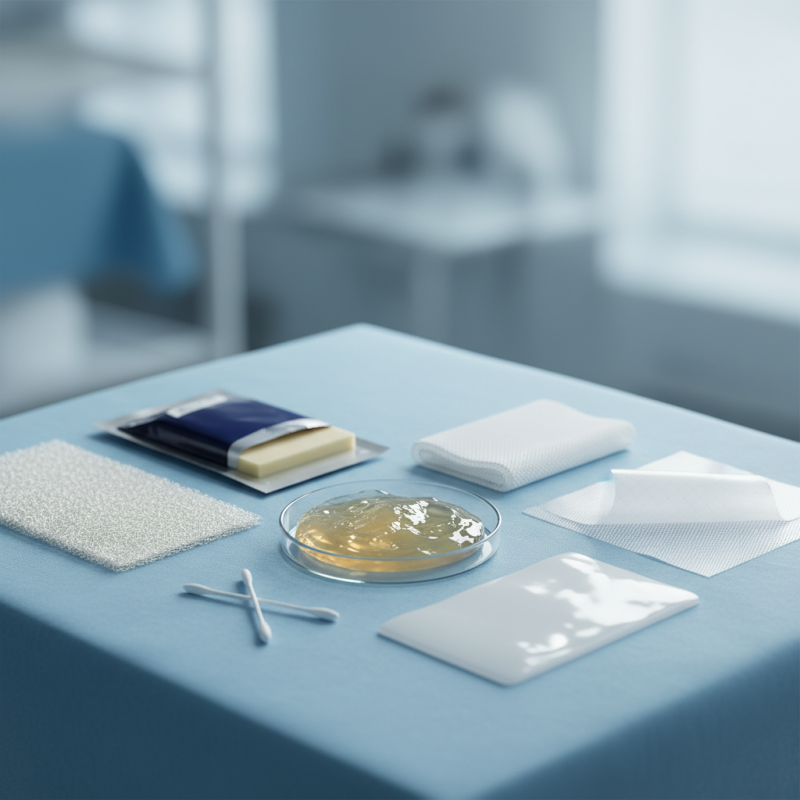
Overview of Modern Wound Care Materials in China
Modern wound care materials in China are evolving rapidly. As the healthcare system advances, innovative solutions are emerging. According to recent industry reports, the market for advanced wound care products in China was valued at approximately $1.2 billion in 2022 and is expected to grow at a CAGR of 7.5% through 2028. The rising prevalence of chronic wounds and the increasing demand for effective treatment options drive this growth.
Key materials include hydrogels, bioactive dressings, and antimicrobial agents. Hydrogels provide a moist environment, crucial for optimal healing. Bioactive dressings incorporate natural substances that promote tissue regeneration. Antimicrobial agents help to prevent infection, which can be a significant barrier to healing. The integration of these materials facilitates a more tailored approach to wound management.
**Tip:** Always assess the wound type before selecting materials. Some may offer better performance for specific wounds or conditions.
Despite advancements, challenges remain. Limited access to certain products in rural areas can hinder treatment. Additionally, the need for continuous education among healthcare professionals about these materials is critical. Understanding the properties of various dressings can improve patient outcomes significantly.
**Tip:** Invest time in training sessions. Keeping up with the latest research can enhance your wound care practices.
Top 10 Modern Wound Care Materials in China
This chart represents the popularity and usage rate of various modern wound care materials in China based on recent market research.
Key Features of Top Wound Care Materials
When it comes to modern wound care materials, understanding their key features is essential. Advanced dressings now combine multiple functions to promote healing. These materials are designed to manage moisture effectively. They create a balanced environment, which is crucial for recovery. Some dressings interact with wound exudate, transforming into a gel that supports tissue regeneration. This unique property helps maintain optimal healing conditions.
Moreover, many modern materials offer antimicrobial protection. These features reduce the risk of infection without causing irritation. Bioactive components play a vital role in promoting cellular activity. They encourage faster tissue formation. However, not all materials are suitable for every type of wound. Factors such as wound depth and location influence material selection. There are instances where the wrong choice may lead to complications.
Flexibility and adaptability are critical, too. Some materials conform well to body contours, allowing for freedom of movement. This aspect enhances comfort for patients. But it can also lead to challenges if the dressing shifts or loosens. Finding a balance between stability and comfort demands continuous evaluation. Understanding these characteristics can lead to better wound care solutions.
Innovative Technologies in Wound Healing Products
Wound healing has seen significant advancements in recent years. Innovative technologies have transformed how we treat and manage wounds effectively. New materials are designed to enhance the healing process, offering better protection and comfort.
One exciting development is the use of bioactive dressings. These materials contain natural compounds that promote cell regeneration. They help reduce inflammation and accelerate healing. Another innovation involves smart wound-care technologies. These dressings can monitor moisture levels and provide real-time feedback to both patients and healthcare providers. This interaction helps ensure optimal healing conditions.
However, challenges remain. The integration of such technologies may not be accessible to all patients. Cost can be a barrier, limiting the widespread use of advanced materials. Additionally, some healthcare professionals may need more training on new products. These issues highlight the need for ongoing education and accessible resources in wound care. Understanding these complexities is crucial as we move forward.
Comparison of Traditional vs. Modern Wound Dressings
The debate between traditional and modern wound dressings is gaining traction. Traditional dressings, such as gauze, have been used for decades. They are inexpensive and accessible. However, they have limitations. They may not provide a moist environment ideal for healing. This can lead to slower recovery times.
Modern wound dressings, on the other hand, are designed with advanced materials. They can enhance healing by maintaining that optimal moist environment. Hydrocolloids, hydrogels, and foam dressings are examples of these innovations. These materials help reduce pain and protect the wound from infection.
When selecting a dressing, consider the wound type. Some wounds require more breathability, while others benefit from moisture retention. Always assess the healing progress. If you notice delayed healing or discomfort, rethink your choice. Regularly consulting with a healthcare professional is crucial for effective treatment.
Tip: Keep your dressing clean and dry. This can prevent infection and promote faster healing. Monitor any changes in the wound's appearance. Early intervention can make a significant difference. Remember, not all wounds are the same, and finding the right dressing may take time.
Future Trends in Wound Care Materials in China
The future of wound care materials in China is evolving rapidly. Industry reports suggest that the market for advanced wound care products will reach approximately $2 billion by 2025. This growth reflects increasing awareness of innovative materials and techniques in treating wounds.
One significant trend is the shift towards biocompatible materials. These materials promote healing while minimizing infection risks. They include hydrogels, which maintain moisture, and antimicrobial barriers that prevent microbial growth. Reports indicate that biocompatible wound dressings can reduce healing time by up to 30%. However, there are concerns about accessibility and cost. Many hospitals still rely on traditional products, limiting patient options.
Moreover, sustainability is becoming a priority in wound care. Researchers are exploring biodegradable materials that reduce environmental impact. Data shows that nearly 70% of healthcare professionals support eco-friendly options. Yet, challenges remain in balancing performance and sustainability. The market must adapt to ensure that these emerging materials meet clinical needs.
FAQS
: They effectively manage moisture and promote healing. They create balanced environments critical for recovery.
Certain dressings interact with wound exudate, turning into gel. This gel maintains optimal healing conditions.
They reduce infection risks while minimizing irritation. This is essential for safe and effective healing.
No, factors like wound depth and location influence material choice. Using the wrong material may cause complications.
Flexibility allows dressings to conform to body contours, promoting comfort and enabling movement.
If dressings loosen, it can affect healing. Stability and comfort need balance.
Traditional dressings are cost-effective but may slow recovery. Modern dressings maintain a moist environment, enhancing healing.
Keep an eye on the wound's appearance. Delayed healing or discomfort may indicate a need for re-evaluation.
Keep the dressing clean and dry. This promotes faster healing and reduces infection risk.
Consult a healthcare professional. They can provide guidance tailored to your specific wound needs.
Conclusion
The article "China Top 10 Modern Wound Care Materials You Should Know" provides a comprehensive overview of the latest advancements in wound care materials within China. It discusses various modern wound care materials, emphasizing what materials are used in modern wound care, including hydrocolloids, alginates, and advanced antimicrobial dressings. The key features of these top materials highlight their ability to promote faster healing, reduce infection risk, and enhance patient comfort.
Additionally, the article explores innovative technologies in wound healing products, like smart dressings equipped with sensors, and compares traditional wound dressings to their modern counterparts, showcasing the benefits of contemporary materials. Looking forward, emerging trends in wound care materials in China suggest a shift towards more biocompatible and personalized solutions, driven by ongoing research and technological advancements.

 Renovera Medical