2026 Top Essential Items for Your First Aid Kit?

Time:2026-05-28 Author:Charlotte
0%

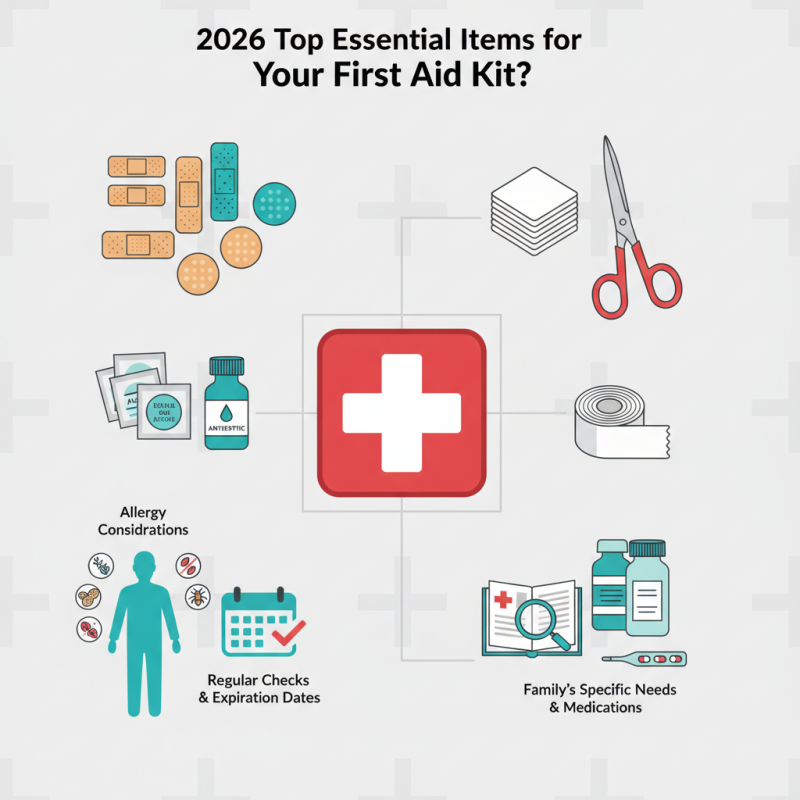
In emergencies, having a well-stocked first aid kit can save lives. But what are the essential items in a first aid kit that everyone should possess? For your family’s safety, it’s crucial to be prepared for minor injuries and medical emergencies. A comprehensive kit includes items like adhesive bandages, antiseptic wipes, gauze pads, and scissors.

Yet, many individuals overlook critical supplies. A simple antiseptic could make the difference in preventing infections. Additionally, it’s important to regularly check the kit’s contents. Items may expire or go missing over time. Knowing what to replace keeps the kit reliable and ready for use.

Understanding your family's specific needs is vital. Consider allergies and medical conditions when assembling your kit. Reflecting on these factors ensures your kit is relevant and effective. A proactive approach will enhance your preparedness for unexpected situations.
2026 Top Essential Items for Your First Aid Kit?

Overview of First Aid Kits and Their Importance

First aid kits are a vital part of emergency preparedness. They provide immediate care during unexpected situations. Whether at home, in the car, or outdoors, these kits are essential for quick responses. Having a well-stocked first aid kit can make a significant difference in critical moments. It can even save lives. Yet, many people overlook the importance of keeping these kits updated.

A basic first aid kit should include items like bandages, antiseptic wipes, and gauze. These components help treat minor injuries effectively. It’s important to customize your kit for specific needs. For instance, if you have allergies, include antihistamines. Regularly check expiration dates and replace outdated products. Many individuals forget this crucial step, leading to unpreparedness.

Understanding first aid is just as vital as having the kit. Training helps build confidence in using first aid supplies. A knowledgeable individual can manage situations better and reduce panic. Encouraging family members to learn basic first aid can enhance community safety. Both the kit and training contribute to a safer environment.

Essential Supplies for Basic First Aid Treatment

When assembling your first aid kit, focus on essential supplies for basic treatment. A sturdy container is vital. It should be easily accessible and portable. Include adhesive bandages in various sizes. They help cover minor cuts and scrapes effectively.

Gauze pads and adhesive tape are important too. Use them for larger wounds to control bleeding. Sterile gloves ensure safety during treatment. Antiseptic wipes remove harmful bacteria and prevent infection. Tweezers can assist in removing splinters or debris.

Tips: Regularly check your kit. Replace expired items promptly. Consider local regulations when selecting supplies. Remember that training is as crucial as the equipment. Knowledge about basic first aid can save lives. Always reflect on your methods and be ready to improve.

Medications to Include in Your First Aid Kit

When creating a well-stocked first aid kit, it's crucial to pay attention to the medications you include. Essential items like pain relievers and antihistamines can effectively address common ailments. Consider including acetaminophen or ibuprofen for pain relief. Keep in mind that dosages might vary based on age or health condition, which can lead to underdosing or overdosing.

Another key medication is an antihistamine. It can help with allergic reactions, reducing swelling and itching. Always check for expiry dates on medications. An expired product may not work effectively, which can lead to unnecessary complications in emergencies. Also, consider adding antiseptics for cleaning wounds. An antiseptic solution helps prevent infection, ensuring better recovery.

However, a first aid kit is not one-size-fits-all. Note the unique needs of your family. If someone has specific allergies or health conditions, tailor your kit accordingly. It’s common for people to overlook these details. Regularly review and update your kit to ensure its reliability. Outdated or incorrect medications can diminish your kit's effectiveness.

Tools for Effective Injury Management and Assessment

Creating a well-stocked first aid kit is essential for effective injury management and assessment. Studies show that 70% of households are unprepared for emergencies. A comprehensive kit should include critical tools like adhesive bandages, antiseptic wipes, and gauze pads. These items facilitate immediate responses to wounds and prevent infections. A report from the American Red Cross emphasizes that quick access to first aid supplies can significantly improve recovery outcomes.

Tools for injury assessment are equally important. A digital thermometer helps monitor fevers, while splinting materials stabilize injuries before professional help arrives. The CDC data suggests that timely intervention during emergencies reduces hospital visit risks by over 30%. However, it's crucial to regularly check your kit for expired items. Maintaining reliability in your first aid supplies ensures they perform as expected when you need them the most.

Training in basic first aid techniques complements the tools in your kit. Many people underestimate their skills in injury management. Workshops and online courses can boost confidence and competence. Awareness of limitations is key; not everything can be treated at home. Recognizing when to seek professional help is vital in injury situations.

2026 Top Essential Items for Your First Aid Kit

Item Purpose Quantity Notes
Adhesive Bandages Small cuts and scrapes 10 Variety of sizes
Sterile Gauze Pads Wound dressing 5 Different sizes
Medical Tape Secure dressings 1 roll Hypoallergenic preferred
Antiseptic Wipes Clean wounds 20 Alcohol-based
Scissors Cut bandages and tape 1 Blunt tip recommended
Tweezers Remove splinters 1 Pointed tip
Instant Cold Packs Reduce swelling 2 Single-use
Burn Cream Treat minor burns 1 tube Sterile
Pain Relievers Pain management 10 Assorted types
First Aid Manual Guidelines for care 1 Comprehensive guide

Special Considerations for Customizing Your First Aid Kit

When customizing your first aid kit, consider specific needs based on your lifestyle. Families, outdoor enthusiasts, and travelers may require different supplies. For instance, children may need smaller dosages of medication and specific treatments for common childhood illnesses. According to the American Red Cross, most households should have a basic kit that includes adhesive bandages, antiseptic wipes, and gauze pads.

Tips: Keep items organized. Use labeled pouches for easy access.

Location plays a key role in customization. Coastal residents should include marine-related items such as jellyfish sting relief. In contrast, those living in areas prone to natural disasters must prioritize items like emergency blankets and multi-tools. The Centers for Disease Control and Prevention (CDC) recommends having at least a three-day supply of essential items for each family member.

Tips: Regularly check expiration dates on medications and supplies. Replace items as needed.

Personal preferences also matter. Some may choose to include items for allergies or chronic conditions. These can include epinephrine auto-injectors or inhalers. A study published by the Journal of Emergency Medical Services found that nearly 60% of individuals fail to carry necessary medication during emergencies. Addressing these gaps is crucial for effective first aid.

FAQS

: Why are first aid kits important?

: First aid kits provide immediate care during emergencies. They can make a difference in critical moments.

What should be included in a basic first aid kit?

Items like bandages, antiseptic wipes, and gauze are essential. Customize it for specific needs, like allergies.

How often should I check my first aid kit?

Regular checks are crucial. Replace expired products to ensure your kit is reliable when needed.

Why is first aid training important?

Training builds confidence in using first aid supplies. It helps manage emergencies and reduces panic.

How can I customize my first aid kit?

Consider your lifestyle and location. Families and travelers need different supplies for specific situations.

What if I forget to bring necessary medications?

Many people do this. Addressing gaps in your kit is essential for effective first aid during emergencies.

What are some tips for organizing a first aid kit?

Use labeled pouches for easy access. Keeping items organized saves time in emergencies.

How do I know when to seek professional help?

Recognizing limitations in injury management is vital. Not every situation can be treated at home.

What items should coastal residents include in their kits?

Marine-related items, like jellyfish sting relief, are important. Customize according to local risks.

What is a common mistake people make with first aid kits?

Many forget to update or check expiration dates. This leads to unpreparedness when emergencies occur.

Conclusion

A well-stocked first aid kit is crucial for addressing unexpected medical emergencies, ensuring that individuals are prepared to handle a variety of injuries and health issues. Understanding what are the essential items in a first aid kit is vital for effective injury management. Key supplies include bandages, antiseptics, and gauze for basic wound care, along with medications such as pain relievers and allergy treatments.

In addition to these supplies, the kit should contain essential tools for injury assessment and management, like scissors, tweezers, and gloves. Personalizing your first aid kit is also important, taking into account specific needs such as medications for chronic conditions or equipment tailored for different activities, ensuring that you are well-equipped for any situation. Overall, a well-prepared first aid kit can make a significant difference in emergency scenarios, providing peace of mind and immediate assistance when needed.

Charlotte

Charlotte

Charlotte is a seasoned marketing professional with a deep understanding of the company's portfolio and a passion for elevating its presence in the market. With a keen eye for detail and a commitment to excellence, she ensures that our professional blog is regularly updated with insightful articles......