1. The Strategic Imperative of Advanced Post-Surgical Dressings
In contemporary surgical medicine, the postoperative phase is critical for determining patient outcomes. The incidence of Surgical Site Infections (SSIs) remains one of the primary drivers of readmissions and elevated healthcare costs globally. As healthcare delivery models migrate toward value-based systems, clinicians and procurement directors require medical materials that offer more than passive coverage. They demand active therapeutic environments that manage exudates, support tissue viability, and offer high biocompatibility.
Chinese manufacturers, led by innovators like Hangzhou Renovera Medical Co., Ltd., have transitioned from producing low-cost basic consumables to developing sophisticated, clinical-grade medical textiles and polymer-based dressings. By integrating specialized material science—such as hydrophilic polyurethane foams, medical-grade silicones, and bioactive agents—these products meet the rigid specifications required in complex post-operative wound environments.
100k
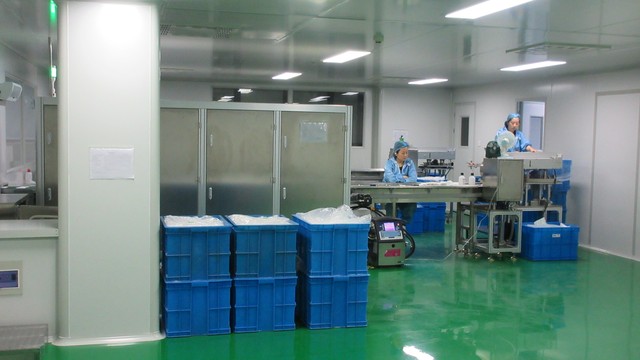
Cleanroom Class (GMP)
ISO13485
Quality Assurance
2. Global Procurement Trends and Market Drivers
International medical distribution networks and Group Purchasing Organizations (GPOs) are realigning their supply chains. The shift is motivated by multiple factors, including regulatory updates such as the European Union’s Medical Device Regulation (MDR) and the escalating global demand for home-based wound management solutions.
- Demand for Trauma-Free Removal: Traditional adhesives often cause epidermal stripping upon replacement. There is an increasing demand for soft silicone-gel wound dressings that protect the delicate new tissue and surrounding skin, minimizing patient pain during dressing changes.
- Active Moisture Management: Clinical data highlights the importance of maintaining a moist wound environment. Next-generation dressings employ hydrocellular layers that regulate moisture levels, preventing maceration while avoiding wound dehydration.
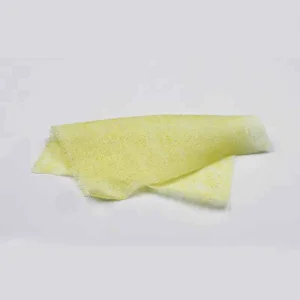
- Antimicrobial and Natural Biocompatibility: The integration of Manuka honey and silver ions is rising. These elements provide non-resistant antimicrobial barriers that reduce reliance on systemic antibiotics.
- Eco-Friendly and Biocompatible Materials: Global procurement standards are increasingly prioritizing sustainable raw material sourcing and non-toxic manufacturing processes, ensuring materials decompose safely or are produced with a minimized carbon footprint.
3. Manufacturer Spotlights & Operational Excellence: Hangzhou Renovera Medical Co., Ltd.
Hangzhou Renovera Medical Co., Ltd. is a professional manufacturer specializing in medical bandages and advanced wound care solutions, dedicated to providing safe, reliable, and high-quality healthcare consumables to global markets. With a strong focus on innovation and patient-centered care, the company serves hospitals, clinics, pharmacies, and distributors worldwide.
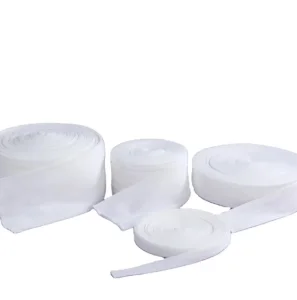
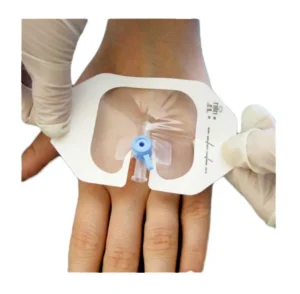
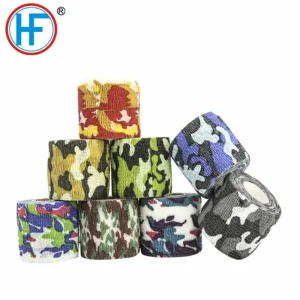
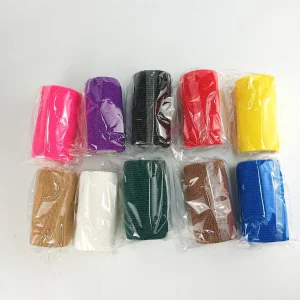
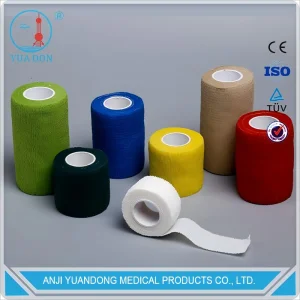
Renovera Medical offers a comprehensive range of products, including elastic bandages, gauze dressings, compression bandages, sterile wound dressings, and first aid supplies. Designed to support effective wound management and faster healing, its products emphasize comfort, breathability, and superior absorption performance, meeting the diverse needs of both clinical and home care applications.
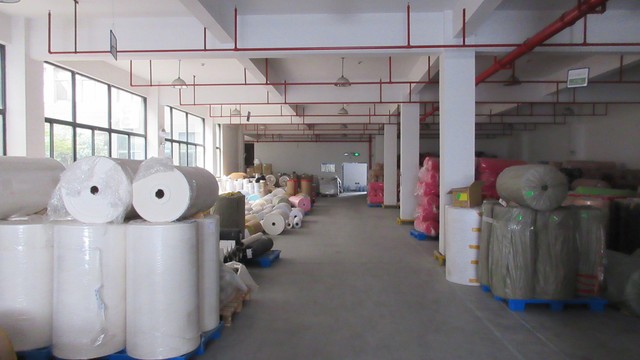
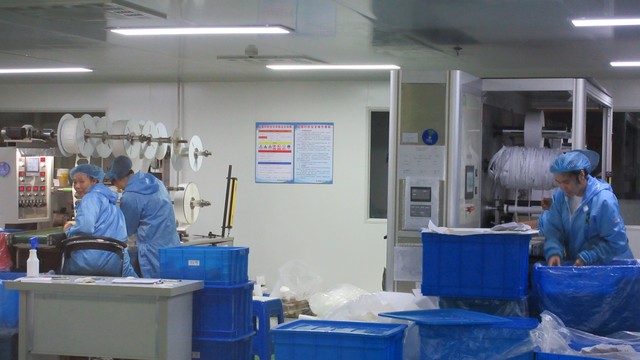
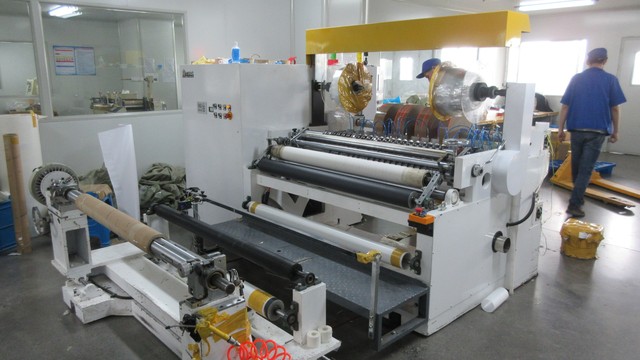
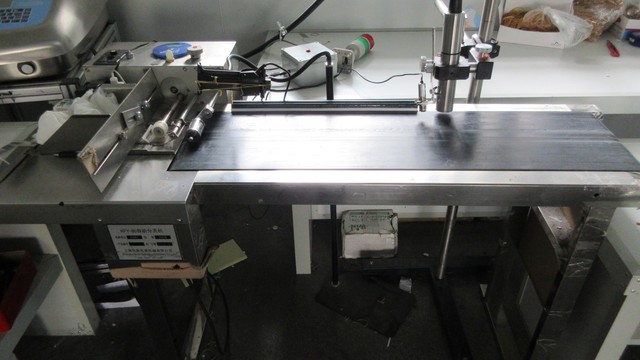
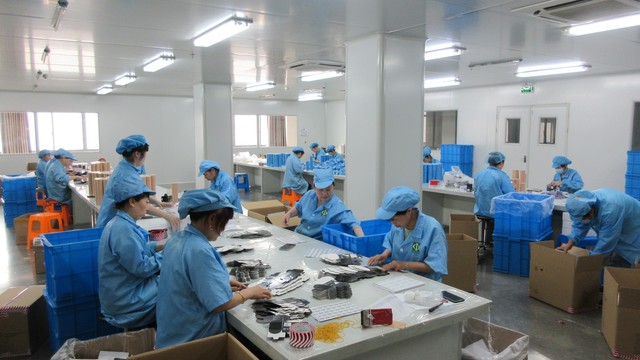
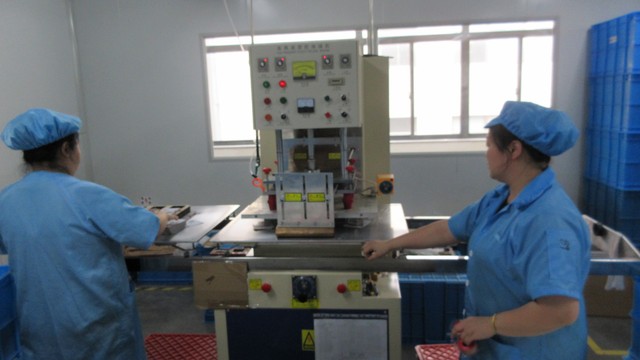
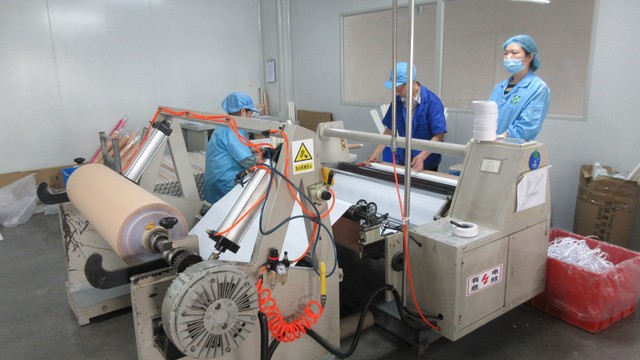
Backed by modern production facilities and a skilled R&D team, Hangzhou Renovera Medical integrates advanced materials and manufacturing technologies to ensure consistent product quality and performance. The company adheres to strict international standards and quality control systems, ensuring compliance with global healthcare regulations. Committed to long-term partnerships, Renovera Medical provides flexible OEM/ODM services tailored to customer requirements.
4. Technology Roadmap: The Evolution of Wound Dressings
The progression of post-surgical dressing technology moves from dry mechanical barriers toward bio-active, smart-sensing frameworks. This roadmap guides product developers and clinical decision-makers as they anticipate upcoming industry standards.
Phase 1: Basic Isolation (Traditional Gauze & Tapes)
Passive Mechanical Barriers
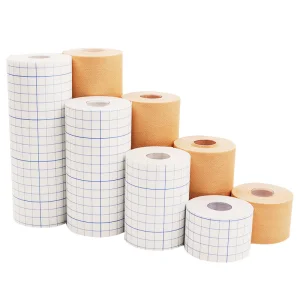
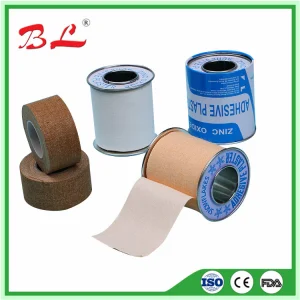
Historically, woven cotton and adhesive tapes served as standard covers. While functional, they do not manage high exudate volumes, risk sticking to wound beds, and lack localized microbial defense systems.
Phase 2: Moisture Control (Hydrocolloids, PU Films & Foam)
Moist Wound Healing Theory Application
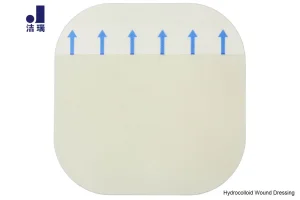
Introduction of polyurethane (PU) films and foams. These materials manage exudate through absorption while permitting gaseous exchange. They maintain an optimal moisture balance to accelerate cellular migration.
Phase 3: Therapeutic Bio-Activity (Honey, Antimicrobials, Silicones)
Active Infection Prevention & Soft Adhesion
Integration of medical-grade silicones for painless dressing removal alongside therapeutic compounds like Manuka honey and silver ions. These components establish physical barriers and active antibacterial environments.
Phase 4: Smart Diagnostics (Upcoming Smart Dressings)
Biosensor Integration
Development of smart dressings containing embedded micro-sensors. These sensors monitor wound pH, temperature, and biomarker concentrations in real-time, notifying medical staff of infection before clinical symptoms present.
5. Macro-Industry Solutions: Structuring a Resilient Medical Supply Chain
In an era of global volatility, maintaining a stable supply of medical consumables is essential for hospital groups and national medical systems. Partnering with a reliable manufacturing exporter like Renovera Medical offers significant structural benefits:
⚙️
Configurable OEM/ODM Pipelines
Custom dimensioning, backing materials, and packaging structures designed to conform to regional clinical practices and brand guidelines.
🧪
Sterilization Validation (EO/Gamma)
Strict compliance with ISO 11135 and ISO 11137 ensures zero bioburden, providing consistent sterility upon clinical deployment.
🌐
Diversified Material Sourcing
Redundant supplies of raw medical-grade polymers, silicones, and fabrics protect operations against global supply bottlenecks.
6. Regulatory Frameworks and E-E-A-T Compliance
Distributing post-surgical dressings internationally requires navigation of complex regulatory pathways. Compliance ensures safety, reliability, and continuous market access.
- ISO 13485 Quality Management: Dictates strict tracking of every batch, from raw materials to final packaging.
- CE Marking & FDA Registration: Essential for European and American markets, certifying biocompatibility, efficacy, and low allergenicity profiles.
- Biocompatibility Testing (ISO 10993): Guarantees that adhesives, foams, and active components do not induce cytotoxicity, sensitization, or intracutaneous reactivity.
7. Dynamic Q&A: Key Purchasing Insights for Sourcing Managers
What are the key advantages of using soft silicone foam dressings over traditional acrylic adhesives?
+
Soft silicone foam dressings, such as our Hydrocellular Silicone Gel Foam Wound Dressings, use a gentle adhesive layer that bonds to dry skin but does not stick to moist wound beds. This minimizes pain and epidermal stripping during changes, protecting newly formed granulation tissue. In contrast, traditional acrylic adhesives form strong mechanical bonds that can damage healing skin layers upon removal.
How does Hangzhou Renovera Medical ensure sterility and quality control for international shipments?
+
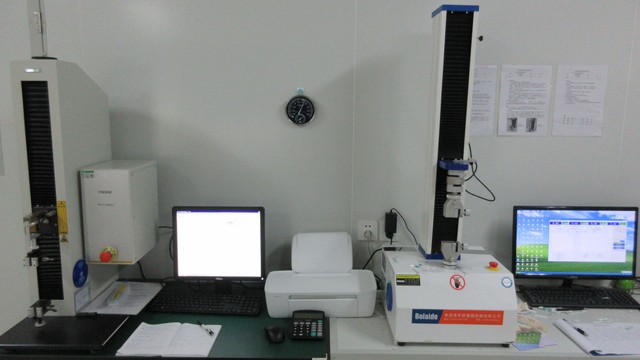
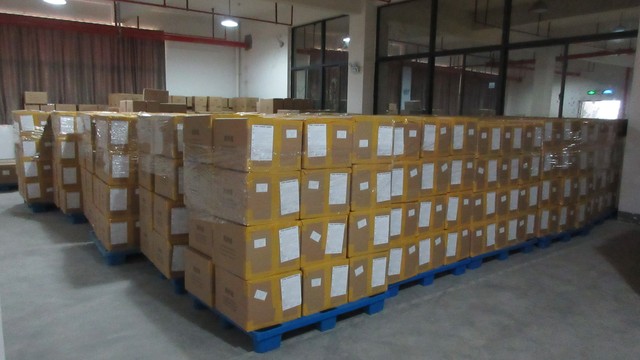
Our manufacturing processes are conducted in ISO-certified cleanrooms. Every production run undergoes Ethylene Oxide (EO) or Gamma sterilization in accordance with international standards. We perform rigorous physical, chemical, and biological verification testing on each batch, providing complete traceability and Quality Analysis (QA) certificates for all shipments.
What is the shelf life of advanced wound dressings containing active agents like Manuka Honey?
+
Advanced active dressings, including Manuka Honey gauze formulations, generally have a shelf life of 2 to 3 years when stored under recommended dry, temperature-controlled conditions. The integrity of the packaging barrier is vital to maintaining sterility and product efficacy throughout this duration.
Can Renovera Medical support custom labeling and packaging (OEM) for private labels?
+
Yes. We offer comprehensive OEM/ODM services. We customize dimensions, shapes, backing materials, and outer packaging to align with your brand requirements and local regulatory guidelines, ensuring a smooth path to market.

 Renovera Medical