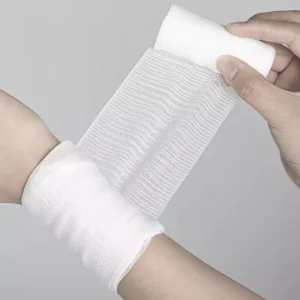
The global healthcare sector is experiencing an unprecedented structural demand shift toward advanced pressure bandage systems. Compression therapy remains the cornerstone clinical gold standard for managing chronic venous insufficiency (CVI), venous leg ulcers (VLUs), lymphatic edema, and acute post-traumatic hemorrhage. Modern pressure bandages must fulfill dual functions: providing sustained, controlled external mechanical pressure to reduce venous caliber and facilitate microcirculation, while maintaining skin integrity and patient compliance over extended wear cycles.
China has established itself as the dominant global hub for pressure bandage manufacturing and export, transitioning from high-volume commoditized textile production to high-tech, biomedical polymer integration. Sourcing directors, medical group purchasing organizations (GPOs), and pharmaceutical brands leverage Chinese manufacturing ecosystems to balance stringent regulatory compliance (CE MDR, US FDA 510k, ISO 13485) with unit-cost economics.
From a biomechanical perspective, the efficacy of a pressure bandage is determined by the sub-bandage pressure exerted on the underlying anatomical tissues. Sub-bandage pressure ($P$) in millimeters of mercury (mmHg) is directly governed by **Laplace's Law**, which models the relationship between tension, fabric layers, limb curvature, and bandage width:
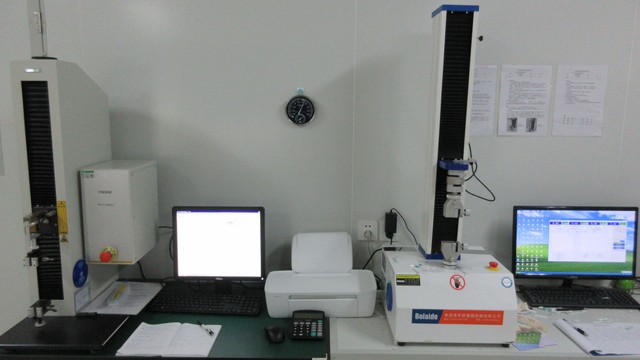
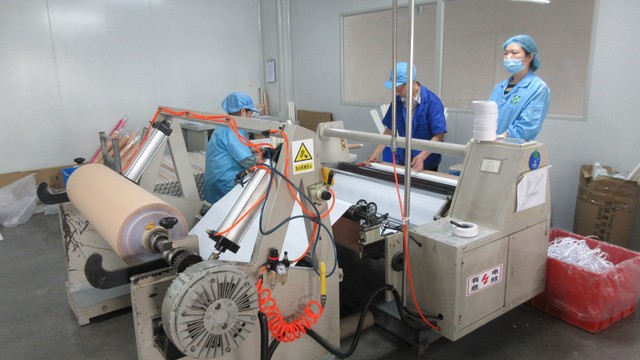
Top-tier Chinese factories utilize advanced computerized tension-controlled weaving machinery to ensure that the elastic hysteresis (recovery force after extension) remains within a tight ±3% tolerance band. This engineering capability prevents both sub-therapeutic under-compression and tissue-ischemic over-compression.
Modern pressure bandages produced by leading Chinese exporters fall into four distinct material categories:
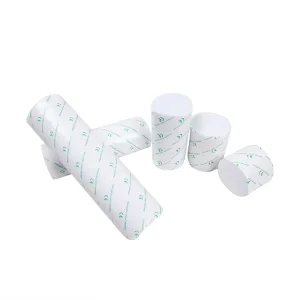
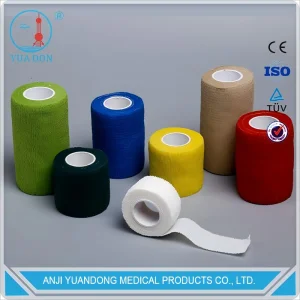
Engineered for high resting pressure and low working pressure. Ideal for joint support, sports immobilization, and acute swelling containment where continuous active compression is necessary.
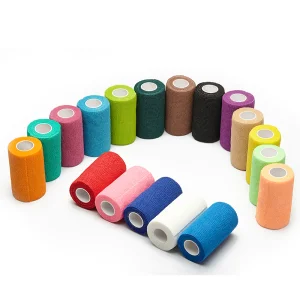
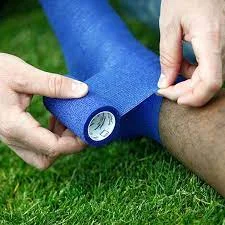
Impregnated with synthetic latex-free polyisoprene or natural rubber particles. Coheres strictly to itself without adhering to skin, hair, or sensitive wound beds, offering painless removal.
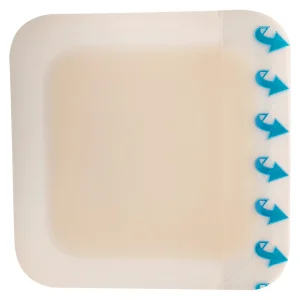
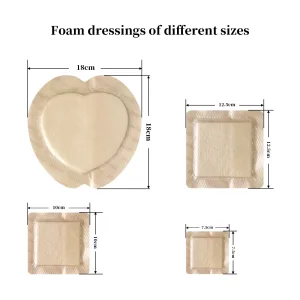
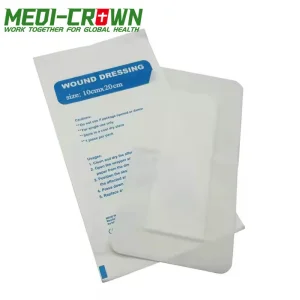
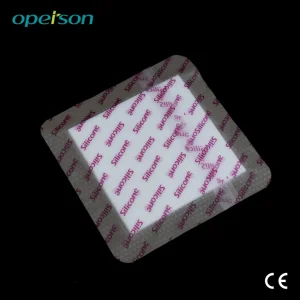
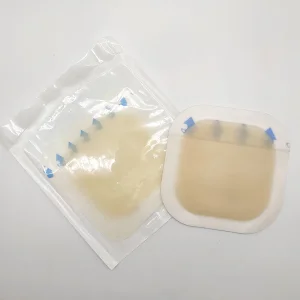
Combines semi-permeable polyurethane backing films with exudate-absorbing polyurethane foam or hydrocolloid masses. Provides exudate management under compression without macerating the wound edge.
Hangzhou Renovera Medical Co., Ltd. is a professional manufacturer specializing in medical bandages and advanced wound care solutions, dedicated to providing safe, reliable, and high-quality healthcare consumables to global markets. With a strong focus on innovation and patient-centered care, the company serves hospitals, clinics, pharmacies, and distributors worldwide.
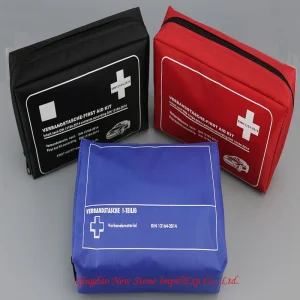
Renovera Medical offers a comprehensive range of products, including elastic bandages, gauze dressings, compression bandages, sterile wound dressings, and first aid supplies. Designed to support effective wound management and faster healing, its products emphasize comfort, breathability, and superior absorption performance, meeting the diverse needs of both clinical and home care applications.
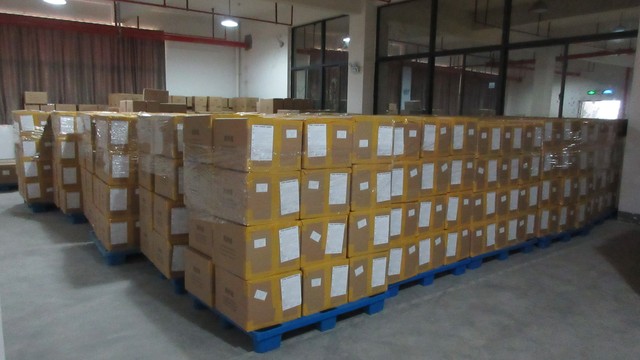
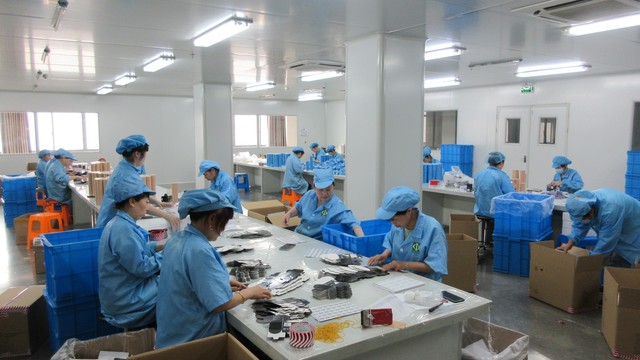
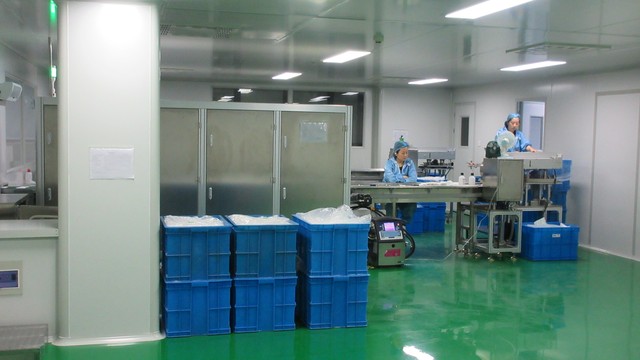
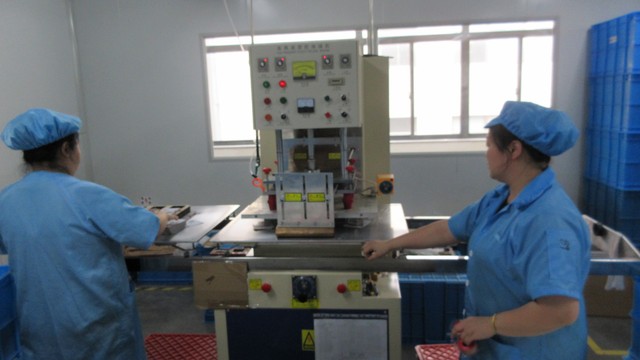
Backed by modern production facilities and a skilled R&D team, Hangzhou Renovera Medical integrates advanced materials and manufacturing technologies to ensure consistent product quality and performance. The company adheres to strict international standards and quality control systems, ensuring compliance with global healthcare regulations.
Committed to long-term partnerships, Renovera Medical provides flexible OEM/ODM services tailored to customer requirements. With a growing international presence, the company continues to deliver cost-effective, high-performance wound care products, helping improve patient outcomes and supporting the evolving needs of the global healthcare industry.
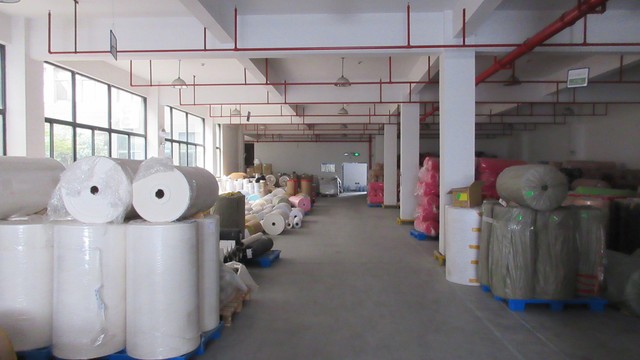
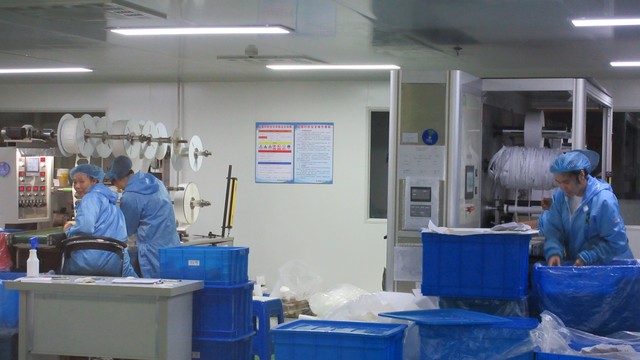
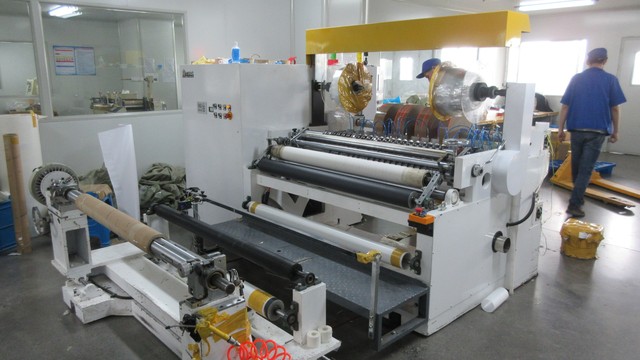
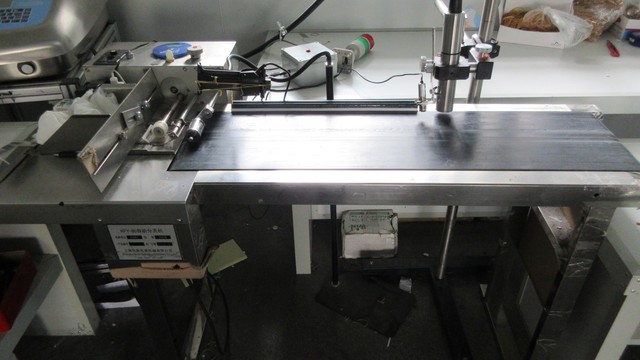
Pressure bandages are far from generic cotton wraps; modern clinical practice demands highly specialized formulations tuned to specific physiological environments. Chinese exporters manufacture distinct product cohorts for varying global application domains:
Used extensively in hospital settings for gradient compression in lower limb ulceration. Multi-layer short-stretch bandage systems provide high working pressure during muscle contraction and low resting pressure, assisting venous return without restricting capillary perfusion.
Specialized emergency trauma bandages (often referred to as Israeli-style pressure dressings) feature built-in pressure bars that apply direct, focused pressure over severe arterial or venous bleeding sites in field environments, acting as a crucial bridge to surgical intervention.
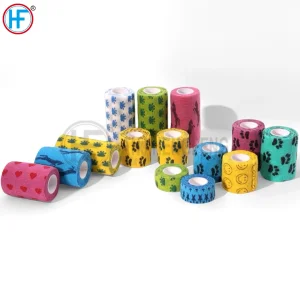
High-elasticity conforming PBT and self-adherent rolls are applied to prevent ligamentous strain, control soft-tissue swelling, and secure ice packs. Modern cohesive variants resist moisture, maintaining structural tension under heavy athletic sweating.
Veterinary cohesive wraps incorporate non-toxic bitter additives (such as denatonium benzoate) to deter animal chewing or licking. High tensile strength ensures secure attachment over tough equine limbs during transport or recovery.
Navigating international regulatory frameworks is critical for OEM/ODM importers. Top-tier Chinese medical manufacturers operate under strict quality management architecture to ensure seamless customs clearance and hospital tender approval.
Comprehensive quality management systems dedicated to medical devices, ensuring full traceability from raw polymer yarn procurement down to final Ethylene Oxide (EO) sterilization cycles.
Technical documentation dossiers, clinical evaluation reports (CER), and post-market surveillance (PMS) setups compliant with rigorous European Union medical device classifications.
Class I and Class II device listings, establishing direct compliance for US healthcare supply chains and major retail pharmacy brands.
When auditing a Chinese pressure bandage factory, technical buyers must evaluate the following four testing metrics:
The medical bandage industry is rapidly transforming from passive coverage materials into active, intelligent therapeutic systems. Chinese R&D facilities are investing heavily in next-generation wound care innovations:
Flexible, printed piezoresistive sensors embedded directly into the textile weave transmit real-time sub-bandage pressure data via Bluetooth/NFC to clinical tablets, ensuring optimal pressure levels are maintained continuously without manual readjustment.
Integrating pro-coagulant inorganic mineral agents (kaolin, zeolite) or biopolymers (chitosan) into high-pressure emergency bandages to accelerate clot formation within seconds of contact with active arterial hemorrhages.
Developing eco-friendly polylactic acid (PLA) and bamboo-derived microfibers to replace petroleum-based synthetic elastomers, reducing medical waste environmental footprints while maintaining bio-compatibility.
 Renovera Medical